
Close your eyes for a moment and imagine a symphony of sounds: the rhythmic clang of a metal spatula hitting a wok, the hiss of noodles searing over a roaring flame, the bubbling of rich broths in giant pots, and a chorus of voices ordering in a medley of languages—English, Mandarin, Malay, Tamil, and Hokkien. Open your eyes, and you are enveloped in a haze of mouth-watering aromas: smoky char kway teow, fragrant chicken rice ginger, and spicy laksa gravy. You aren’t in a fancy restaurant; you are in the beating heart of Singapore’s social life—a hawker centre. There are so many things to try and experience here, from the endless food stalls to the lively atmosphere. Hawker centres are a must visit spot for anyone wanting to experience Singapore’s culture and cuisine.
For many, hawker centres are simply places to grab a quick bite of affordable food. But look a little closer, and you’ll realize they are so much more. They are the community dining rooms of the nation, the great equalizers where CEOs rub shoulders with taxi drivers, and where the history of a multicultural island is served up on colorful melamine plates. Singapore’s hawker culture is a vibrant showcase of the city’s diverse street food heritage and is an essential part of local life. To visit Singapore without eating at a hawker centre is to miss the very soul of the city-state.
What Makes Hawker Centres Unique
What exactly sets hawker centres apart from food courts or dining halls elsewhere in the world? It is a unique alchemy of variety, accessibility, and authenticity. Hawker stalls within these centres are renowned for offering a diverse range of authentic food experiences, each reflecting the rich culinary heritage of Singapore. The characteristics provided by the small stalls in hawker centres make them a beloved choice for locals and visitors alike:
A Melting Pot of Cuisines
Nowhere else can you find such a diverse culinary landscape under a single roof. A typical hawker centre is a microcosm of Singapore’s multicultural society. You can start your meal with Chinese dim sum, follow it with Malay nasi lemak (coconut rice), enjoy authentic Indian food such as roti prata (flatbread) on the side, and wash it all down with a local kopi (coffee). Fusion isn’t just a modern trend here; it’s a historical fact, seen in dishes that blend influences, like Peranakan laksa.
Tekka Center, located in Little India, is a prime example of a hawker centre renowned for its Indian food and vibrant atmosphere.
Radical Affordability
In a city known for its high cost of living, hawker centres remain a sanctuary of affordability. A hearty, delicious meal can still be had for SGD $3 to $5, with no extra cost added to your bill. This ensures that good food is accessible to everyone, regardless of income level. It is a social safety net built on broth and rice, ensuring no one goes hungry.
The Great Equalizer
There are no VIP sections in a hawker centre. The seating is open and communal. Strangers often share tables during peak hours, breaking down social barriers. Groups of friends frequently gather at hawker centres to share dishes and enjoy the lively atmosphere together. With most stalls offering a wide variety of local dishes, the lively atmosphere is fueled by the abundance of food options and the constant flow of people.
Authentic, Unpretentious Vibes
Unlike sanitized, air-conditioned mall food courts, hawker centres are naturally ventilated and full of character. They can be noisy, humid, and chaotic, but that intensity is part of the charm. Rows of individual shops—each with their own specialties and personalities—add to the vibrant atmosphere, offering a diverse range of authentic dishes. It is an authentic, raw slice of life that commercial dining simply cannot replicate.
The Hawker Centre Experience
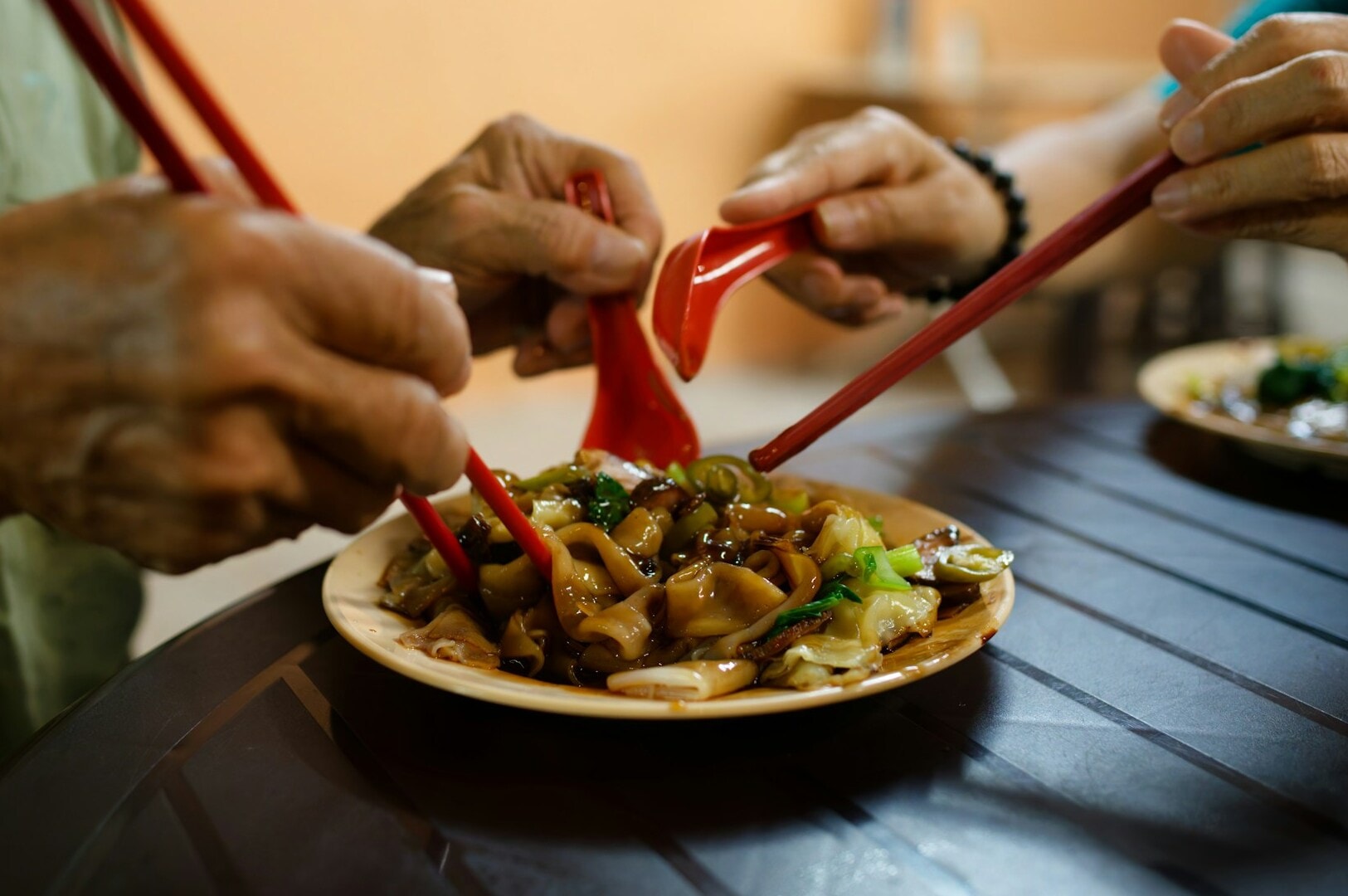
Stepping into a bustling hawker centre for the first time can be a sensory overload, but learning the rhythm of the place is incredibly rewarding.
The atmosphere hits you first. It’s a wall of sound and heat. Ceiling fans whir frantically overhead, trying to cut through the tropical humidity. The clatter of cutlery and the shouting of order numbers create a distinct soundtrack. The air is filled with the aroma of sizzling satay, dessert like cendol—a popular sweet treat at hawker centres—and the unmistakable nuttiness of peanuts used in dishes like popiah or as toppings, adding richness and texture to the experience. It feels alive.
The Art of “Chope-ing”
If you visit during lunch hour, you will witness a peculiar local phenomenon: “chope-ing.” You might see empty tables scattered with packets of tissue paper, umbrellas, or even employee ID lanyards. Do not move them! This is the local way of reserving a seat while patrons go to queue for food. It’s an unspoken rule respected by everyone.
Must-Try Foods at Hawker Centres
No visit to Singapore’s hawker centres is complete without tasting its iconic dishes. Start with Hainanese chicken rice—tender poached chicken served with fragrant rice and flavorful sauces—best found at Maxwell Food Centre and Lau Pa Sat. Char kway teow, a smoky stir-fried noodle dish with eggs, Chinese sausage, and fresh cockles, shines at Newton Food Centre. Satay, grilled marinated meat skewers with peanut sauce and fresh cucumber, is a must-try at Newton’s famous satay street.
Seafood lovers should not miss chilli crab, a messy yet unforgettable sweet and spicy specialty available at Lau Pa Sat and Newton Food Centre. For a local favorite, try carrot cake—a savory radish cake stir-fried with eggs and preserved radish—available at most hawker centres. Explore fresh produce and vibrant ingredients at places like Tekka Centre’s wet market, where many stalls source their daily supplies. Many hawker centres now also offer local brews and craft beer, giving diners even more options for a complete culinary experience. Each meal here offers a rich taste of Singapore’s diverse street food heritage.
Iconic Hawker Centres Worth Visiting
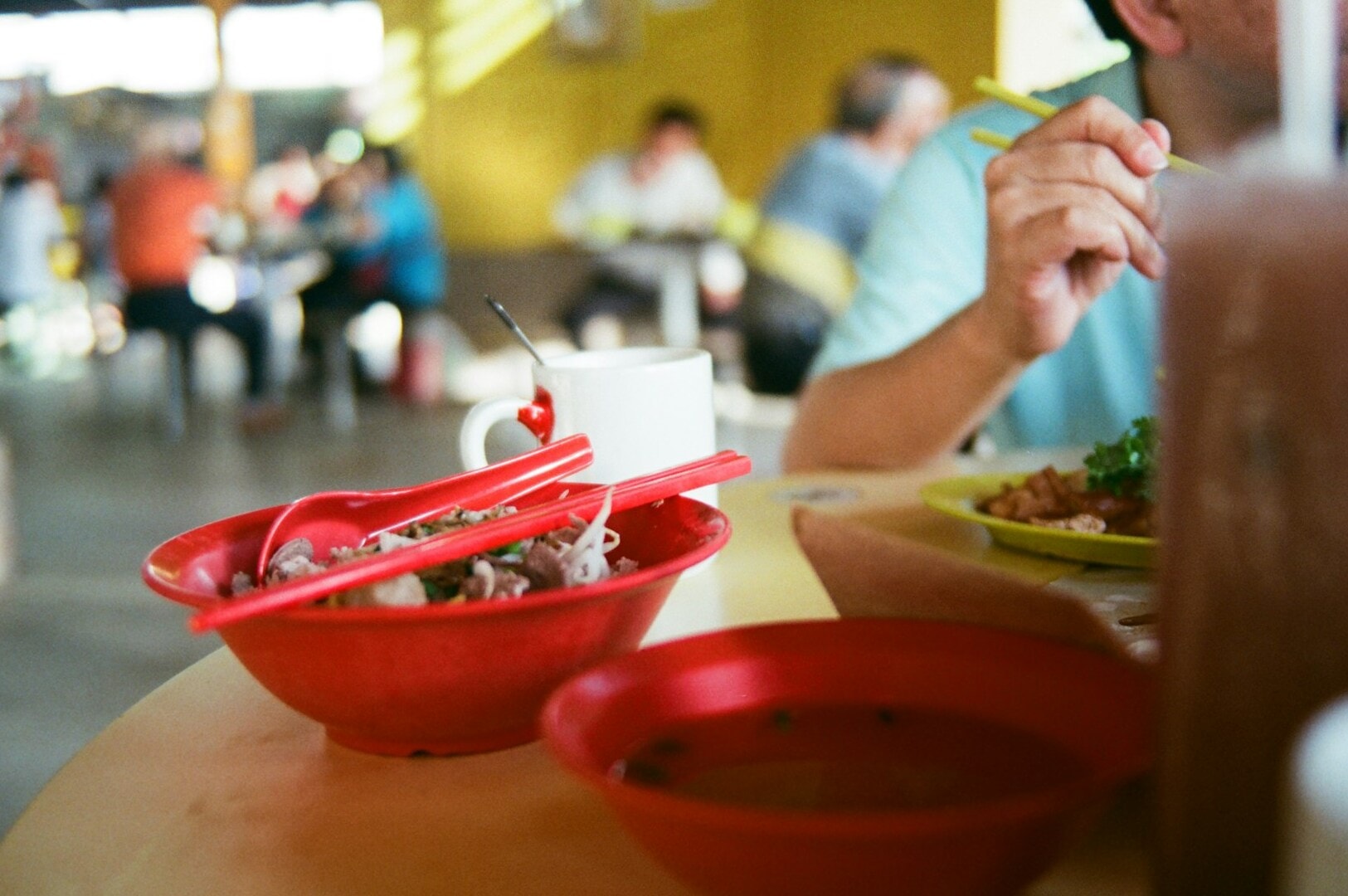
While every neighbourhood has its local gem, some hawker centres have achieved legendary status due to their history, architecture, or concentration of famous stalls. Singapore’s hawker centers are not just places to eat—they are vibrant cultural and culinary landmarks that reflect the nation’s heritage and community spirit. Including a visit to these iconic hawker centres is a highlight of any trip to Singapore.
1. Maxwell Food Centre
Located on the fringe of Chinatown, Maxwell is perhaps the most famous hawker centre among tourists, but locals love it too. Set in a single-story, open-air structure, it retains a nostalgic charm. It is home to some of the most celebrated chicken rice stalls in the country. Anthony Bourdain famously visited Maxwell Food Centre, endorsing its culinary offerings and bringing international attention to its renowned stalls. The location makes it a perfect pitstop after exploring the historic district. Maxwell Food Centre is also conveniently situated near Tanjong Pagar, making it easily accessible for visitors staying or exploring in that area.
2. Old Airport Road Food Centre
Ask a taxi driver where they eat, and they will likely point you here. Built in the 1970s, this massive centre is widely considered one of the best for sheer consistency and variety. It hosts a high number of “heritage hawkers”—stalls that have been operating for decades. Often, you’ll find two stalls offering the same popular dish, such as oyster cakes or chicken rice, giving visitors more options to compare and enjoy. It’s less polished than some newer centres, but the food quality is unrivaled.
3. Tiong Bahru Market
Situated in one of Singapore’s hippest neighbourhoods, this centre sits atop a wet market (where fresh produce is sold). It has recently been renovated and features spacious, airy architecture with Art Deco influences. It is famous for its breakfast offerings, including chwee kueh (steamed rice cakes) and lor mee (braised noodles). Several stalls here have received Michelin recognition, reflecting the michelin star culinary standards found within Singapore’s hawker centres. It’s a favorite spot for weekend brunchers.
4. Newton Food Centre
Famous for its appearance in the movie Crazy Rich Asians, Newton has a unique atmosphere. It comes alive at night and is structured with stalls arranged in a horseshoe around a central courtyard. It is particularly renowned for its seafood BBQ and satay. Newton Food Centre is also known for serving some of the best satay in the city, attracting both locals and tourists seeking top-quality skewers.
5. Tekka Centre
Located in Little India, Tekka Centre is a vibrant assault on the senses. It is the go-to place for Indian Muslim food, serving incredible briyani, prata, and murtabak. But in true Singaporean fashion, you will also find excellent Chinese prawn noodles and Malay dishes right next door.
Planning Your Visit to a Hawker Centre
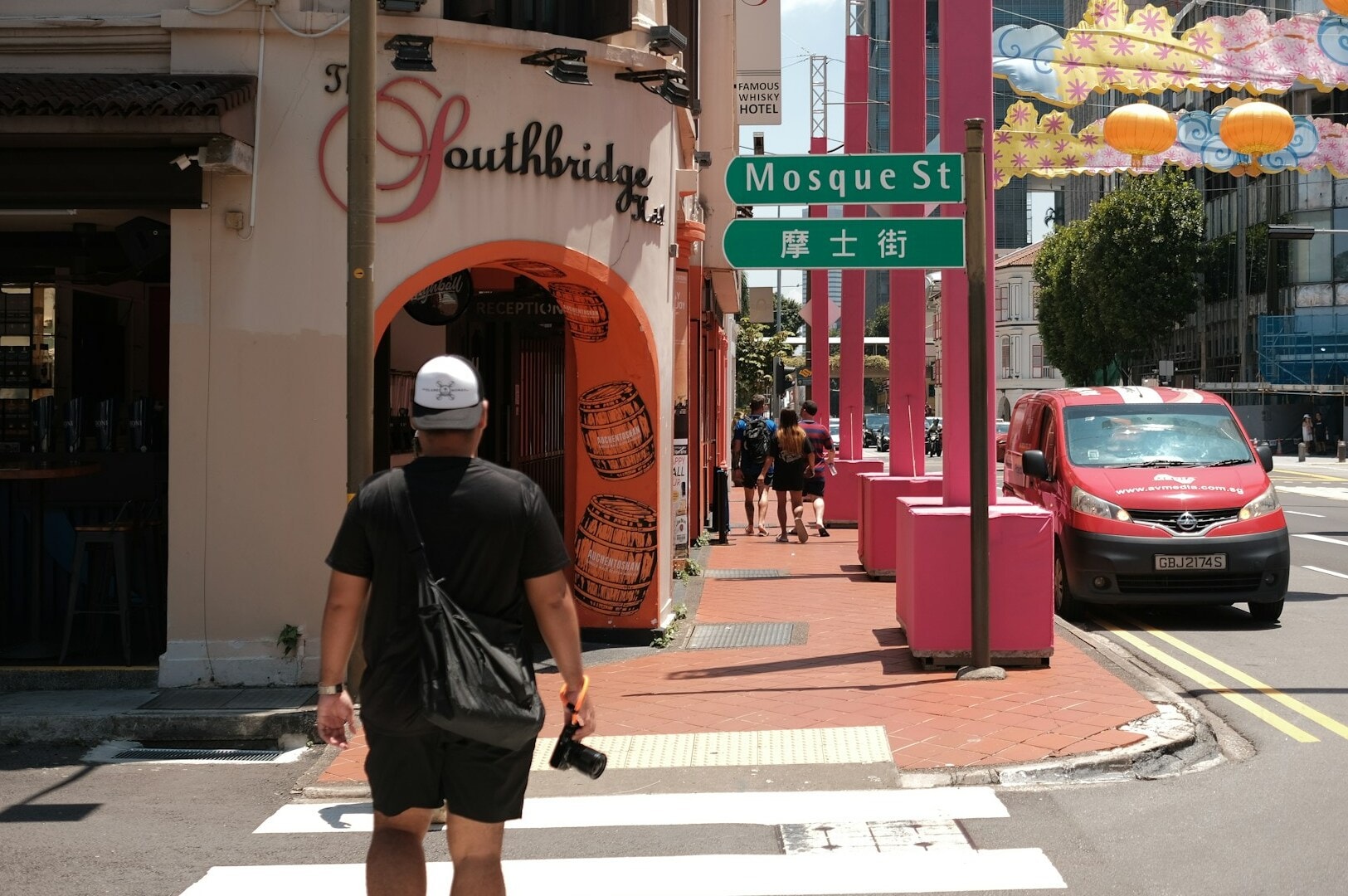
To enjoy the best hawker food experience, plan to visit popular spots like Maxwell Food Centre and Lau Pa Sat before peak lunch and dinner hours to secure a good seat. Lau Pa Sat’s prime location in the central business district makes it a convenient choice for office workers and visitors looking for quick access to popular hawker food stalls. With many stalls offering a rich variety of local cuisine—from heritage chicken rice to spiced noodles and refreshing drinks—take the time to explore mindfully.
For a deeper dive into Singapore’s culinary roots, visit the wet market at Tekka Centre, where fresh produce supplies the hawker stalls above. Whether seeking affordable meals or authentic flavors, hawker centres offer a vibrant gateway to Singapore’s food culture. Experience Singapore’s hawker culture firsthand by exploring different hawker centres across the city.
Preserving and Evolving Hawker Culture
Despite UNESCO recognition and global fame, hawker centres face significant challenges. The original generation of hawkers is aging, with many in their 60s to 80s, and their children often prefer more comfortable corporate careers over the demanding work of running stalls.
Rising costs for ingredients, rent, and manpower also threaten the affordable pricing model. How can a bowl of noodles stay at $4 when expenses soar?
There is hope, though. The Singapore government and community support this heritage through programs like the Hawkers’ Development Programme, which trains aspiring hawkers alongside veterans. A new wave of “hawkerpreneurs”—young, tech-savvy cooks—are entering the trade, blending modern concepts like Japanese fusion and gourmet burgers with traditional hawker settings.
Conclusion
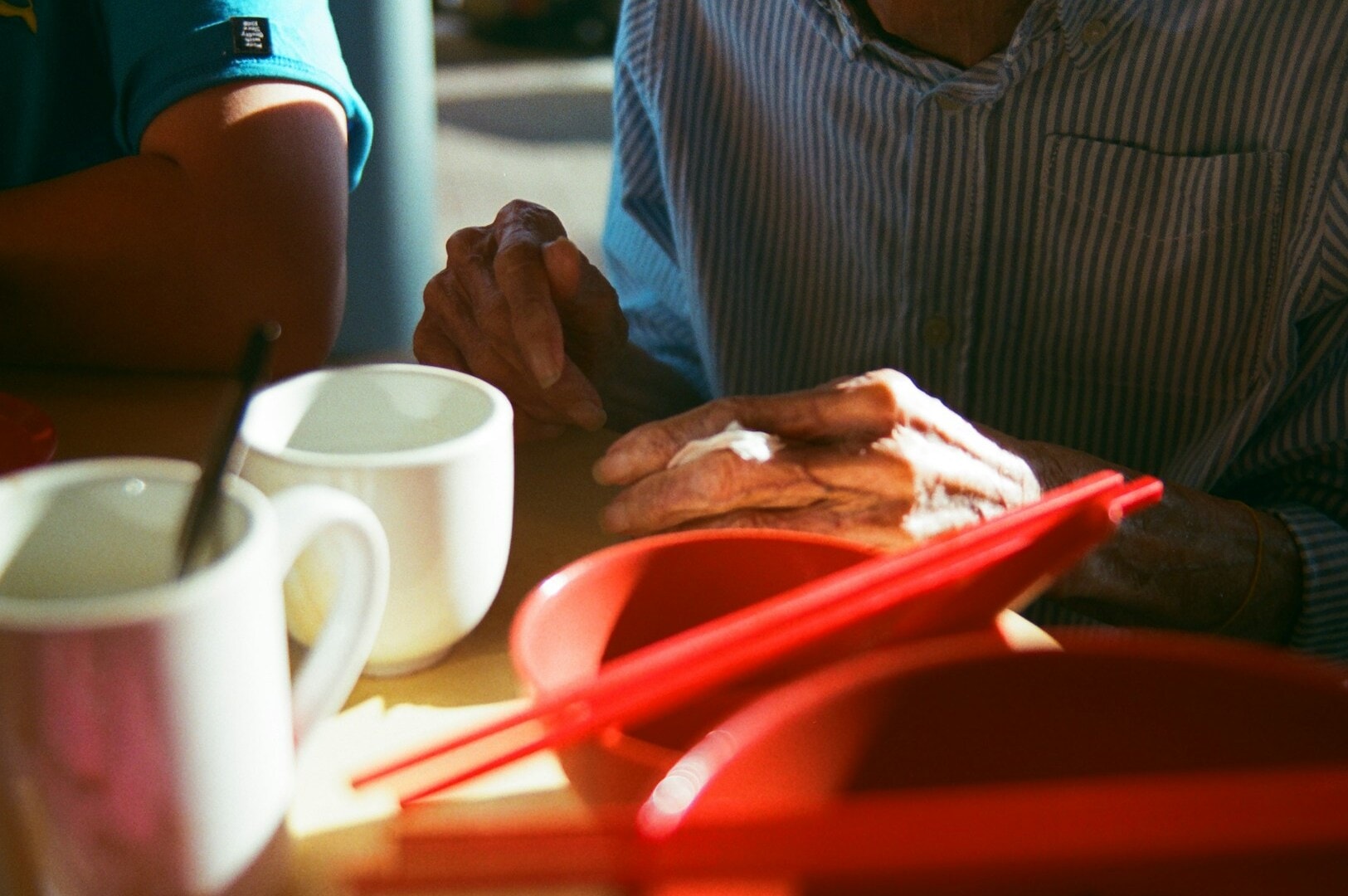
Hawker centres are the living room of Singapore. They are where the community breaks bread, where heritage is preserved in a stock pot, and where the diverse threads of the nation weave together into a vibrant tapestry. They matter because they represent something rare in a rapidly modernizing world: a commitment to community, accessibility, and shared culture.
For those looking to dig deeper and discover authentic hawker experiences or learn more about specific stalls, visiting Singapore Hawkers is a great place to start your culinary journey.
As long as the woks are firing and the tables are full, the spirit of Singapore remains strong, one delicious plate at a time.