
Before dawn breaks over Singapore, the island’s hawker centres (also known as hawker centers in US English) come alive. Once roaming street food vendors, hawkers have evolved into operators within government-managed hawker centres, preserving a rich hawker culture recognized by UNESCO as an Intangible Cultural Heritage in 2020. Across more than 100 food centres scattered throughout the city-state, hawkers prepare their stalls for the day ahead. These vibrant hubs, housing many stalls under one roof, serve as the lifeblood of Singapore’s culinary scene. Over time, different types of hawker operations have evolved, reflecting changes in management, location, and cultural origins. Singapore’s hawker centers are celebrated around the world for their unique culinary and cultural significance. Hawker stalls, once found on the streets, can now be found in organized Hawker stalls across Singapore.
What Are Hawkers and Hawker Centres
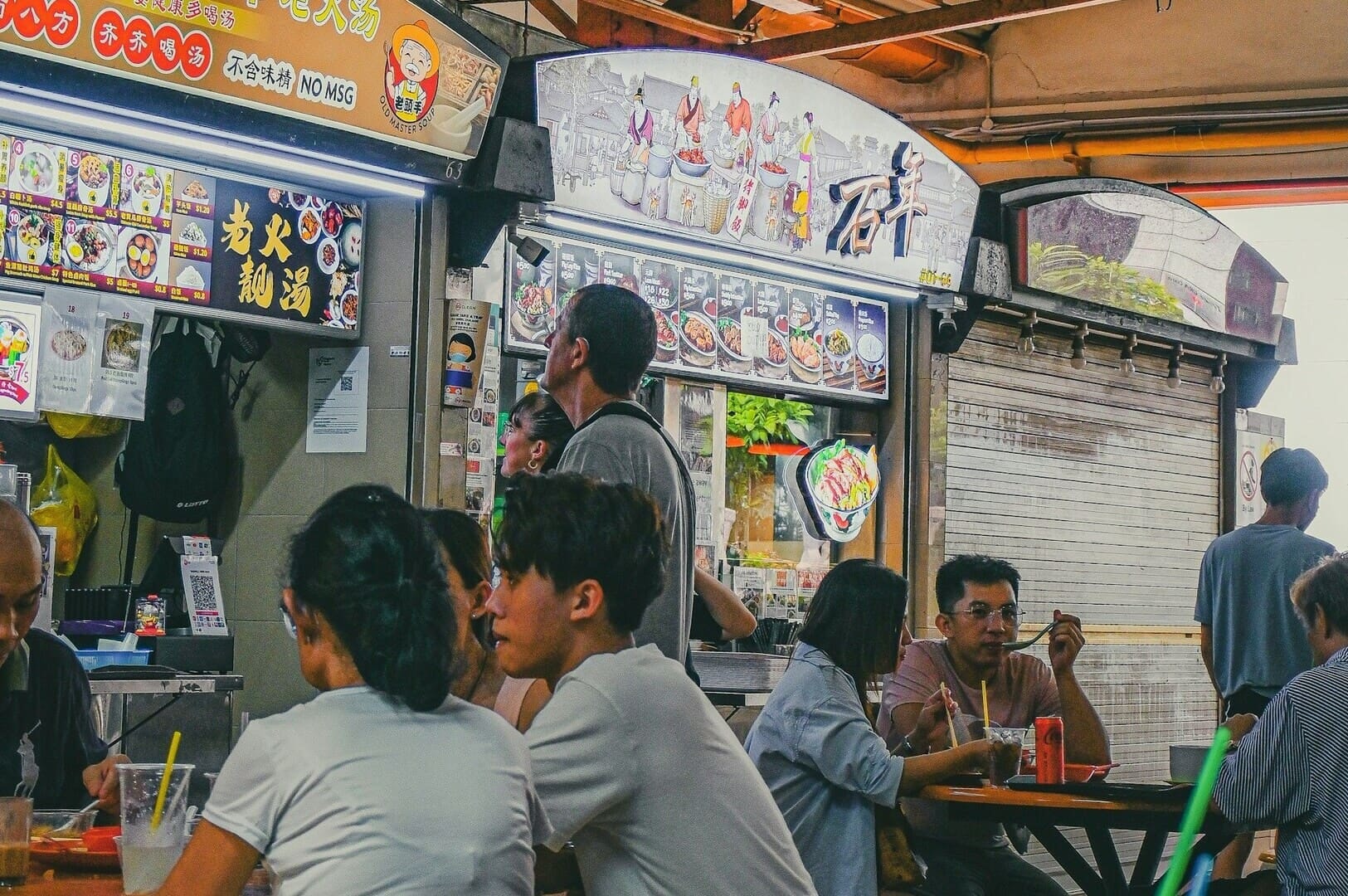
In Singapore, hawkers are food vendors who transitioned from the informal streets into permanent stalls located in hawker centres. These centres are open-air complexes where multiple stalls operate side by side, offering a dazzling array of dishes—from chilli crab and satay to laksa and Hainanese chicken rice. The variety found in hawker centres includes not only local favourites but also drinks stalls, dessert options, and communal seating areas. Compared to restaurants, hawker centres provide a more casual, affordable, and communal dining experience, though both serve as important gathering places for the community. Key features of hawker centres list affordable prices, diverse cuisines, and strict hygiene standards. The government manages these centres to ensure high hygiene standards and to support the hawkers’ businesses, creating accessible, affordable dining spaces for locals and tourists alike.
Today, over 6,000 stalls across the island serve a wide range of meals, typically priced between S$3 and S$8. These food centres are much more than places to eat; they are community spaces where Singaporeans from all walks of life gather to share meals, stories, and experiences, truly embodying the multicultural fabric of the island. Visitors ready to explore these centres will find a feast for the senses and an authentic taste of Singapore’s hawker centres’ culinary heritage.
The Historical Evolution: From Street Food Vendors to Regulated Hawker Centres
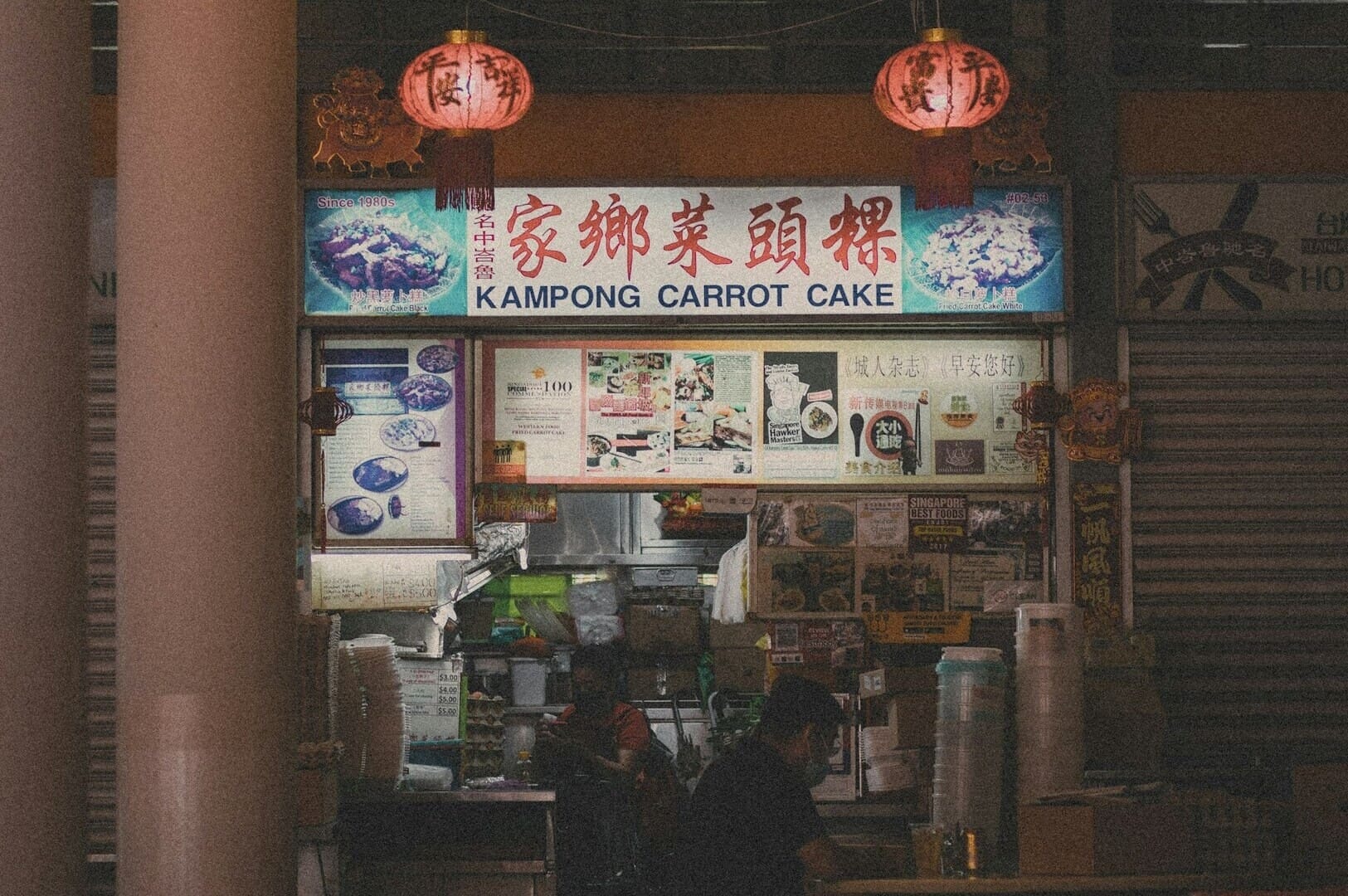
Singapore’s hawker culture has deep roots dating back over 90 years, to the 1920s and 1930s. Immigrant communities from China, India, Malaysia, and Indonesia brought their culinary traditions to the island’s streets, operating from makeshift carts or portable stalls. These street food vendors sold a variety of wares, sowing the seeds of Singapore’s diverse food culture.
The illustrated series “Our Vanishing Street Hawkers” by artist Chang Yang, published in the late 1980s, documents this era, capturing the last days before government regulation transformed the hawker trade. After Singapore’s independence, concerns over hygiene, urban congestion, and public health prompted the government to relocate hawkers into purpose-built food centres. These hawker centres were designed with proper utilities, waste management, and facilities to ensure food safety and cleanliness.
Over the decades, hawker centres have undergone modernization, including improved ventilation, upgraded cooking equipment, and stricter hygiene standards. However, challenges such as rising rental costs and a decline in younger hawkers entering the trade continue to threaten the sustainability of this cherished business. The government continues to watch these developments closely, implementing policies to support hawkers and preserve this vital part of Singapore’s heritage.
Architectural Design and Unique Features of Hawker Centres
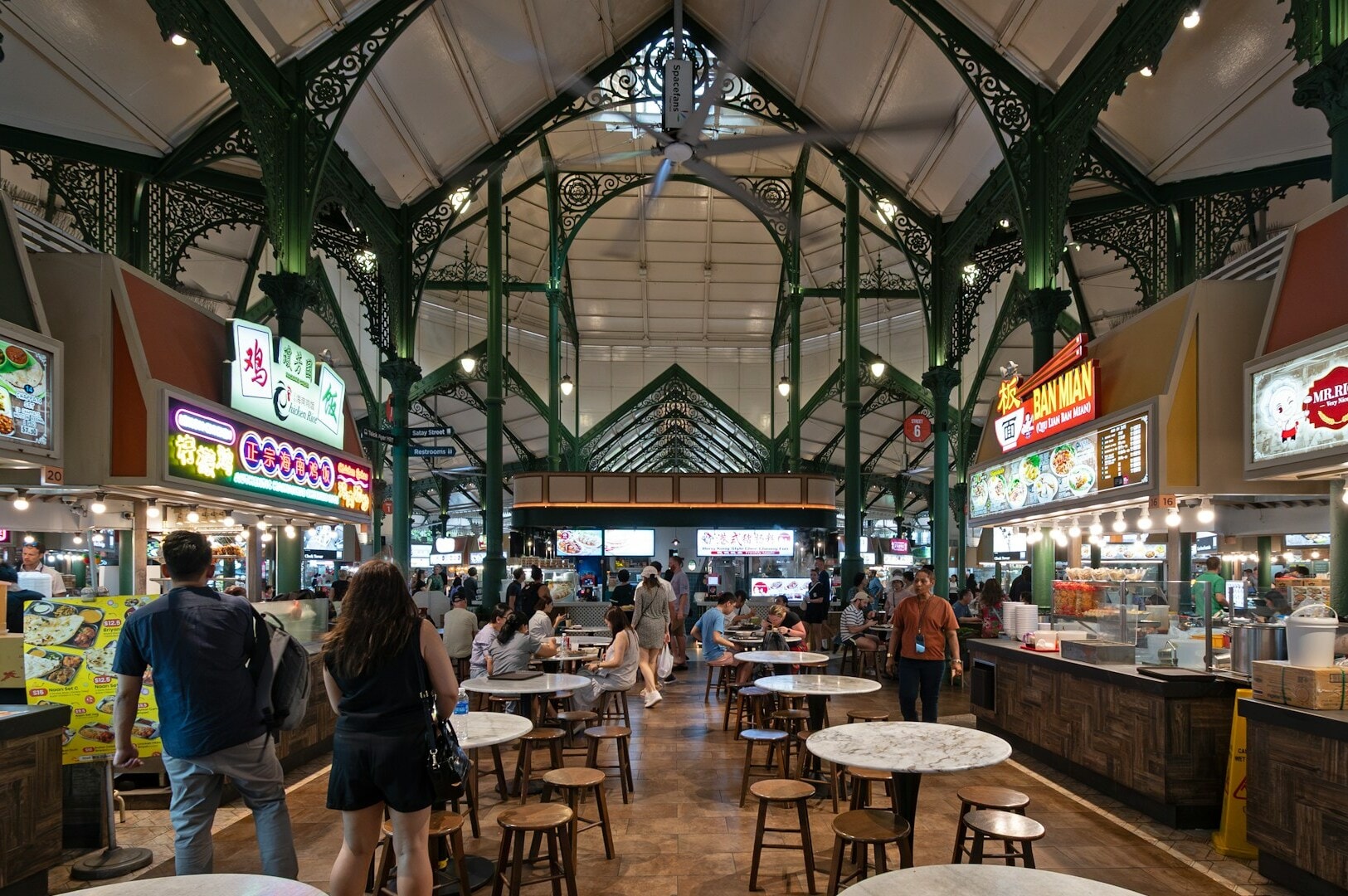
Singapore Hawker Centres are thoughtfully designed to balance practicality with social needs. Their open-air layouts promote natural ventilation, essential in Singapore’s tropical climate, while fostering social interaction among diners. Typically, a central seating area is surrounded by compact stalls, allowing customers to sample diverse dishes from multiple vendors in one visit.
Lau Pa Sat, one of Singapore’s most iconic hawker centres, exemplifies the blend of heritage and functionality. Built in 1894, Lau Pa Sat features Victorian-era iron architecture and a distinctive clock tower, reflecting colonial influences on Singapore’s built environment. Today, it remains a bustling food centre that honors its history while serving modern tastes.
Modern renovations across hawker centres focus on preserving heritage while upgrading infrastructure—improving lighting, drainage, and accessibility—ensuring these spaces remain welcoming and affordable. Many centres also integrate wet markets and retail shops, creating multi-purpose community hubs that serve broader needs beyond dining.
Social Significance as Community Gathering Spaces
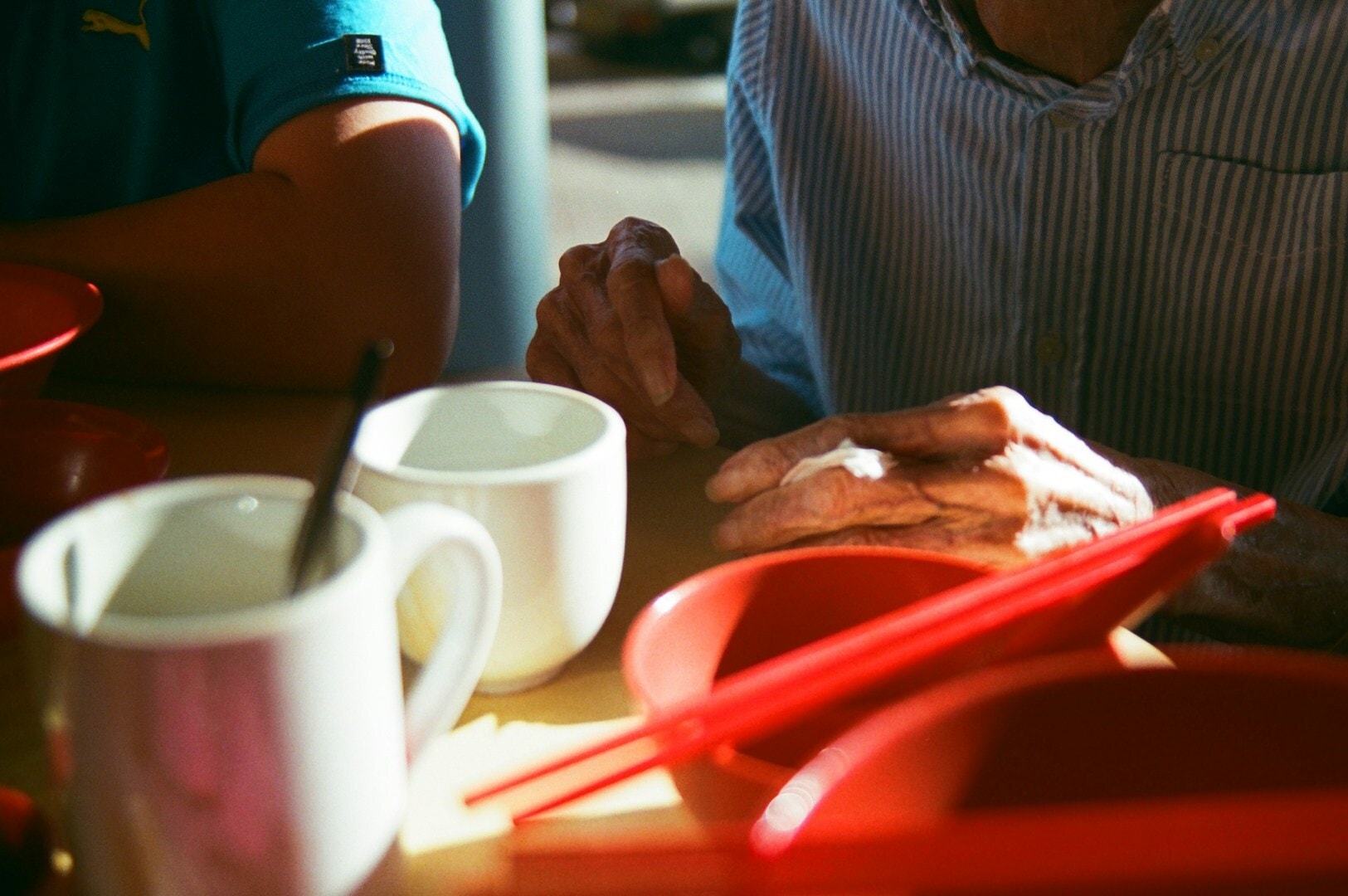
Hawker centres are more than places to eat; they are vital social spaces where Singapore’s multicultural population converges daily. These centres break down social and cultural barriers, allowing people from diverse backgrounds to share meals and experiences in an egalitarian setting. Hawker centres are also places where people gather with loved ones to share meals and create lasting memories.
One unique local custom is “choping,” the informal practice of reserving tables by leaving tissue packets or personal items. Tissues are commonly used for this purpose, but diners are expected not to leave used tissues or litter behind, as maintaining hygiene is an important part of hawker centre etiquette. This simple act reflects the high level of social trust and etiquette that governs these communal spaces.
Hawker Food Options: A Culinary Kaleidoscope
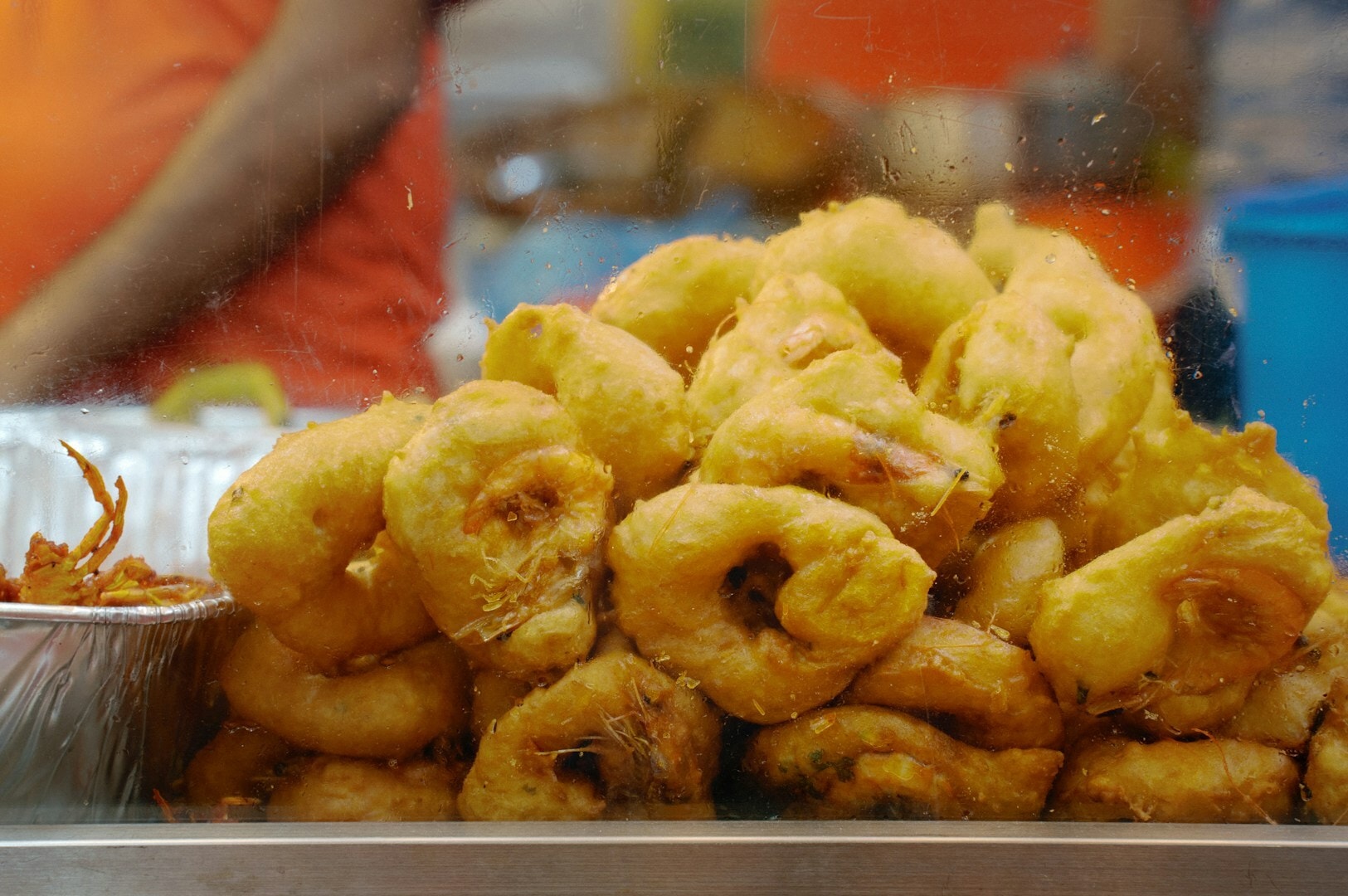
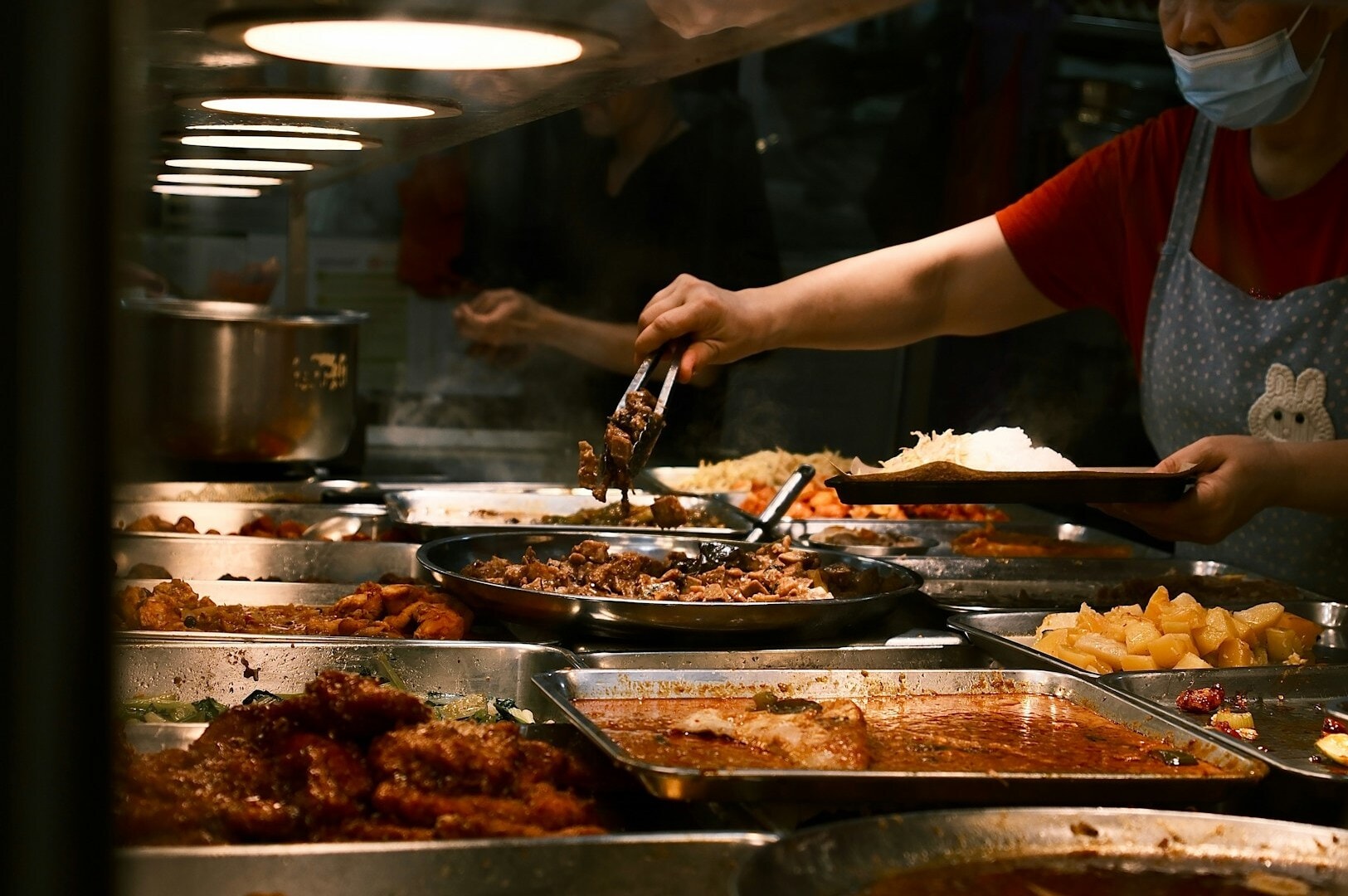
Enter the contemplative sanctuary of Singapore’s hawker centres, where aromatic symphonies and artisanal heritage converge in a carefully curated testament to the island’s profound multicultural legacy. Each meticulously positioned stall represents generations of refined craftsmanship, offering specialties born from ancestral wisdom and cultural reverence. Whether one seeks the fiery sophistication of chilli crab, the serene simplicity of Hainanese chicken rice, or the smoky contemplation of satay, these curated offerings satisfy the most discerning palates through their authentic provenance.
Lau Pa Sat emerges as a distinguished sanctuary among food centres, renowned for its carefully selected vendors and the extraordinary diversity housed within its heritage walls. With numerous artisanal stalls thoughtfully arranged, visitors may embark upon a meditative journey that spans traditional Singaporean masterpieces to innovative fusion expressions. Experiencing hawker cuisine transcends mere sustenance—it becomes a contemplative pilgrimage for the senses, where one may taste the refined essence of Singapore’s cultural soul in every thoughtfully prepared bite. From piquant to sublime, savory to delicately balanced, the meticulously curated selections present endless opportunities for discovering time-honored local traditions and hidden culinary sanctuaries.
Community Dining Rooms: Why Hawker Centres Define Singaporean Life
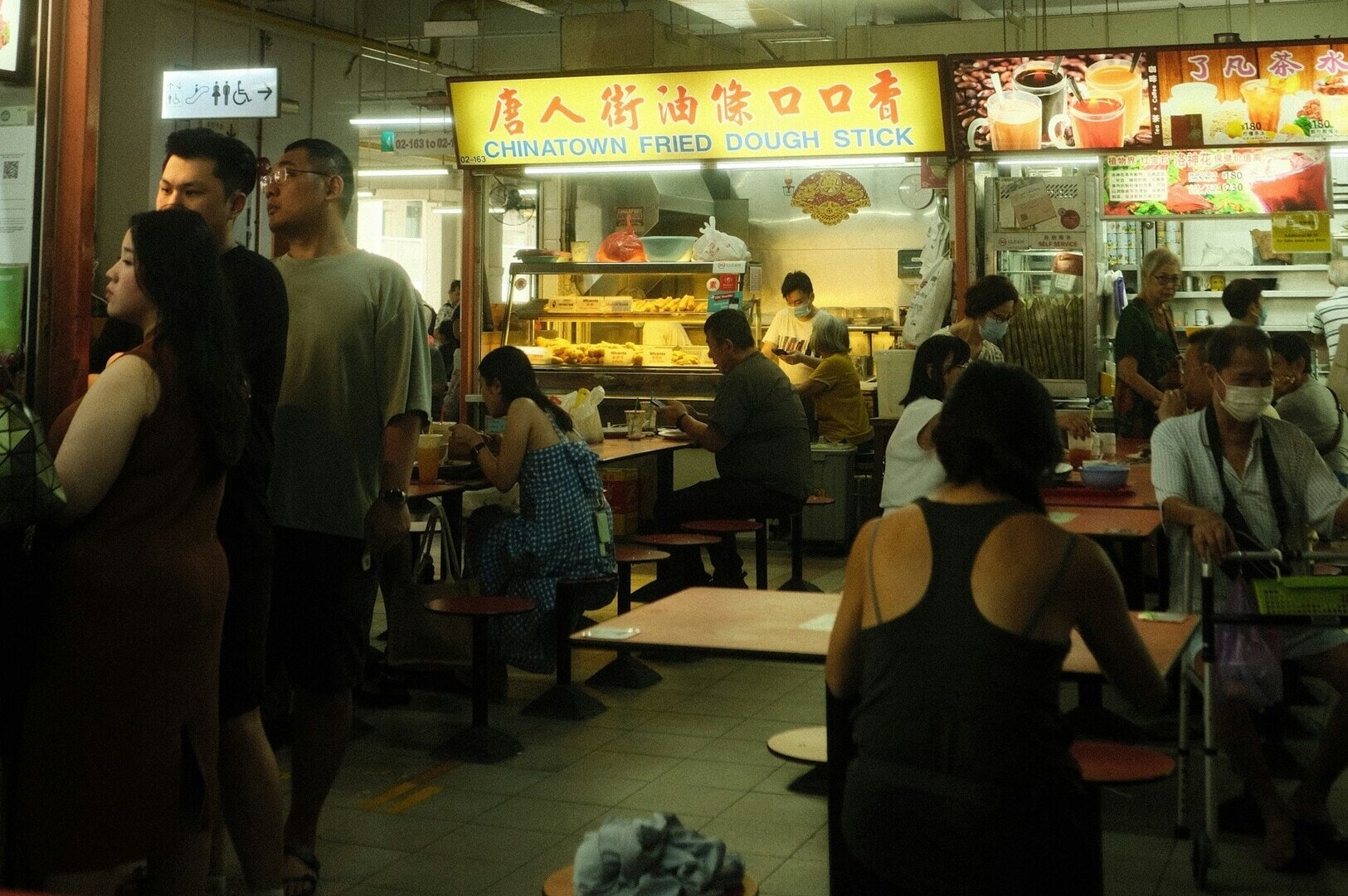
Hawker centres are often called Singapore’s “community dining rooms” because they serve as inclusive spaces where people of all backgrounds come together. Meals are affordable—typically between S$3 and S$8—making them accessible to all socioeconomic groups.
Many centres, such as Newton Food Centre and Geylang Serai Market, operate nearly 24 hours, catering to diverse communities including shift workers, families, and tourists. These centres support Singapore’s fast-paced lifestyle by providing quick, quality meals near workplaces and residential areas.
The communal dining culture fosters social integration. It is common to see businesspeople, students, and laborers sharing tables and bonding over shared meals. For visitors, hawker centres offer authentic culinary experiences and opportunities to engage with locals. Guided street food tours often help visitors order a variety of recommended dishes, allowing them to sample the best flavors efficiently.
Global Influence and Connections
Hawker Centres culture has inspired similar concepts worldwide. In London, for example, hawker-style food centres have emerged, bringing the communal dining and diverse flavours of Singapore’s hawker stalls to an international audience. This global interest highlights the universal appeal of hawker food and its cultural significance, with the famous Hawker Centres Singapore serving as the original inspiration for these vibrant culinary hubs.
Living Heritage: Preserving Tradition While Embracing Change
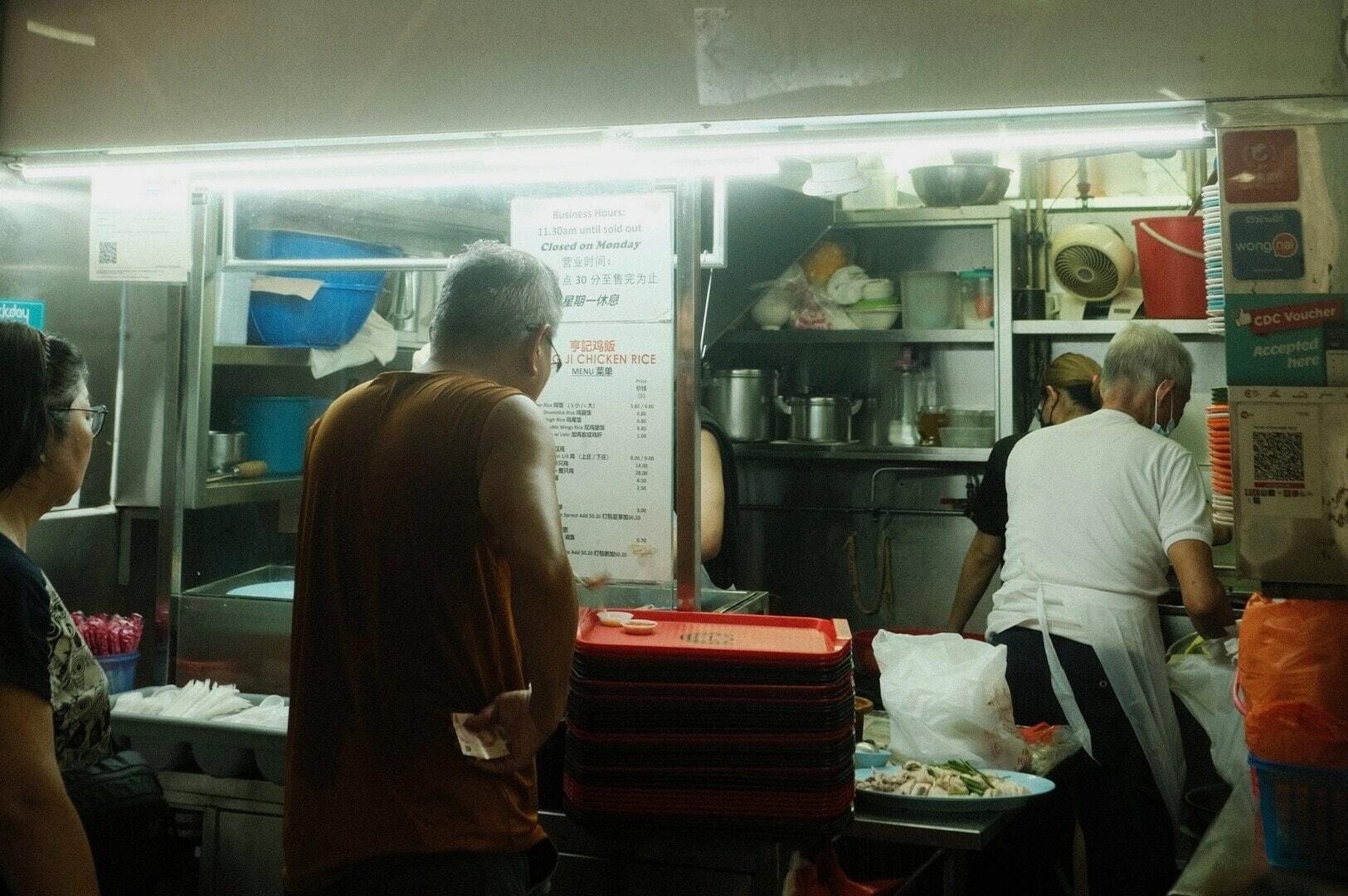
The Singapore government actively supports hawker culture through rental subsidies, business development programs, and modernization initiatives such as cashless payment systems and enhanced hygiene protocols. These efforts aim to sustain hawker businesses amid rising costs and changing demographics.
International recognition, including Michelin stars awarded to stalls like Liao Fan Hong Kong Soya Sauce Chicken Rice, has elevated the global profile of Singapore’s hawker food. Some hawker stalls have even been awarded the prestigious Michelin star, highlighting the quality and culinary excellence found in Singapore’s hawker cuisine. This acclaim attracts food tourists worldwide, boosting the local economy but also raising questions about preserving authenticity.
Succession challenges remain a concern, as fewer young Singaporeans choose hawking as a career. Educational programs, culinary tours, and cultural activities promote hawker culture to new generations and visitors, helping to ensure its continuation.
Some hawkers embrace innovation by introducing fusion dishes that cater to evolving tastes, while others remain steadfast in perfecting traditional recipes. This balance between preservation and adaptation keeps hawker culture vibrant and relevant.
Visiting Hawker Centres: A Culinary and Cultural Experience
Exploring hawker centres is a must for anyone visiting Singapore. Guided tours help visitors navigate the many stalls, highlighting iconic dishes like chilli crab and satay and sharing the stories behind the hawkers. If you want to make the most of your visit, consider booking a food tour through our recommended links—it’s a convenient way to support content creators. You can book through these links at no extra cost to you. A map and curated guides make it easy to find popular locations such as Lau Pa Sat, Maxwell Food Centre, and Tiong Bahru Market.
Hawker centres offer more than just food; they provide a window into Singapore’s history, culture, and daily life. Many hawkers speak English, making it easier for tourists to connect and learn about the heritage behind each dish.
For more information or to plan your hawker centre experience, visit Singapore Hawkers to check out our dedicated page with additional resources.
Future of Hawker Culture
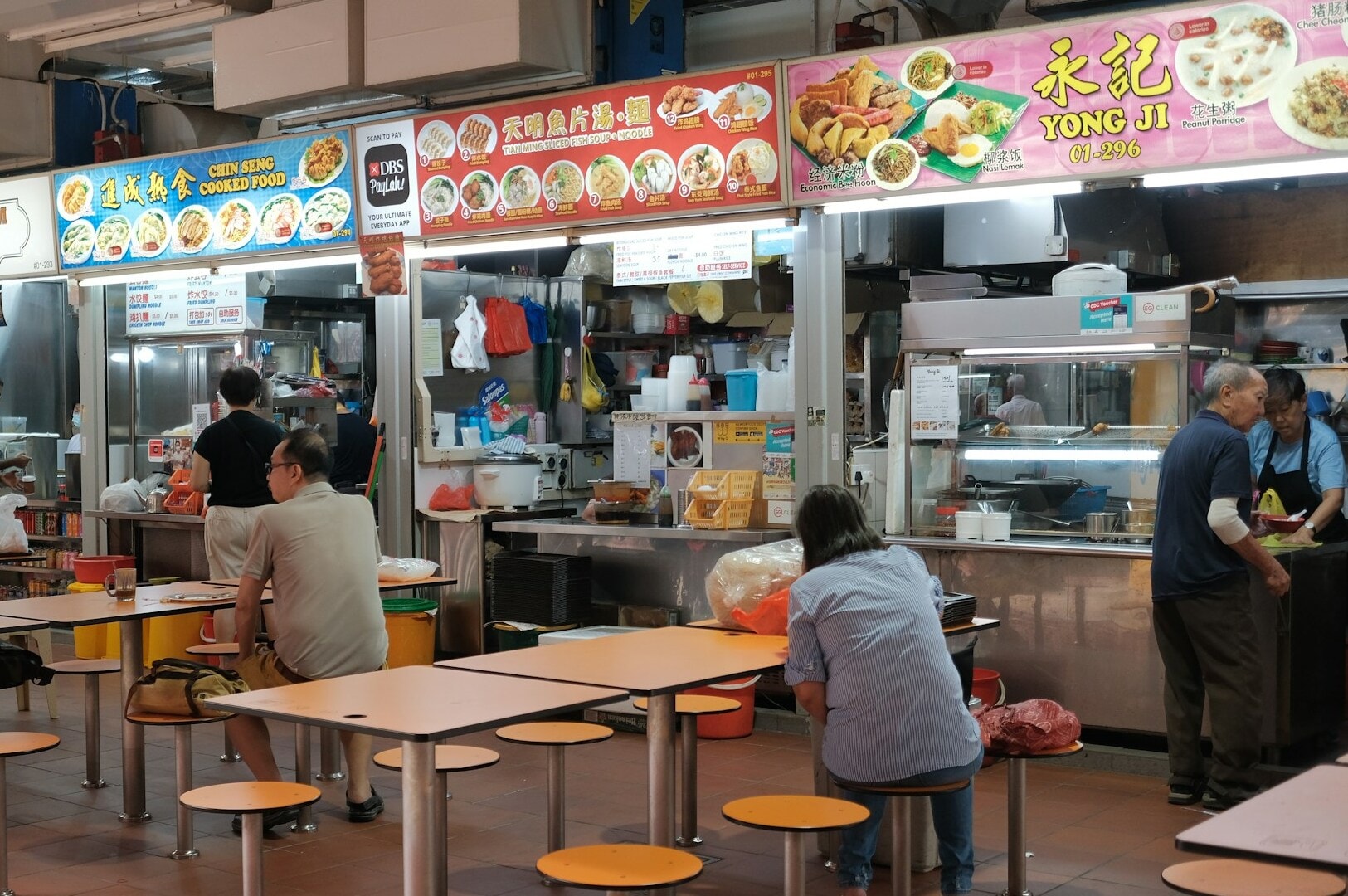
Singapore’s hawker culture stands as a luminous testament to culinary heritage, its future carefully safeguarded through the convergence of institutional reverence and community devotion. The government has meticulously crafted the Hawker Centre 2.0 programme, a contemplative initiative that seeks to elevate these culinary sanctuaries through thoughtful facility refinement, sustainable practices, and the cultivation of deeper appreciation among Singapore’s emerging generation.
A new constellation of artisanal guardians now graces these hallowed stalls, each bearing fresh vision while honoring the sacred recipes passed down through generations of masters. These dedicated custodians of tradition breathe contemporary life into time-honored craftsmanship, weaving innovation seamlessly into the fabric of heritage. Through deliberate governmental stewardship, sustained community communion, and international reverence, Singapore’s hawker centres shall continue to flourish as an essential sanctuary within the city’s gastronomic landscape—a living meditation on the marriage of tradition and progress, destined to nourish souls for generations yet to come.
Conclusion
Singapore’s hawkers represent a remarkable fusion of tradition and modernity. From humble street food vendors to internationally awarded stalls, they continue to shape the island’s culinary identity. Hawker centres remain essential community spaces that offer affordable meals, preserve cultural heritage, and bring people together under one roof.
Whether sharing a morning kopi, savoring chilli crab for dinner, or joining a hawker food tour, every visit supports the legacy of Singapore’s hawker culture—a true feast for the senses and the heart of the island’s identity.
Whether you’re planning a visit or simply want to explore from afar, Singapore Hawkers is your ultimate gateway to experiencing the heart and soul of Singapore’s culinary heritage. We invite you to dive deeper into the vibrant world of Singapore’s hawker culture by clicking here to discover detailed guides, insider tips, and the rich stories behind your favorite hawker centres.