Singapore’s hawker culture is built on stalls like this. We’ve eaten our way through Old Airport Road Food Centre more times than we can count, and Nam Sing Hokkien Fried Mee is one of those hidden gem hawker stalls that keeps pulling us back. The first time we tried it, we got there at lunch, waited nearly 40 minutes, and almost gave up. Then the plate landed in front of us, and we understood why people keep queuing. This is dry, old-school hokkien mee, and it does its own thing.
Planning a Singapore trip and wondering what hawker food to try first? Skip the famous hawker centres like Maxwell Food Centre, Newton Food Centre, or Lau Pa Sat for a day, and make your way to Old Airport Road instead. This is the kind of street food that many locals and even Anthony Bourdain-level food lovers quietly point to when the conversation turns to Singapore’s most honest plates. So here’s our take after sitting down with a plate (or two) of it.
First Impressions: A Hawker Stall in Singapore’s Hawker Centers
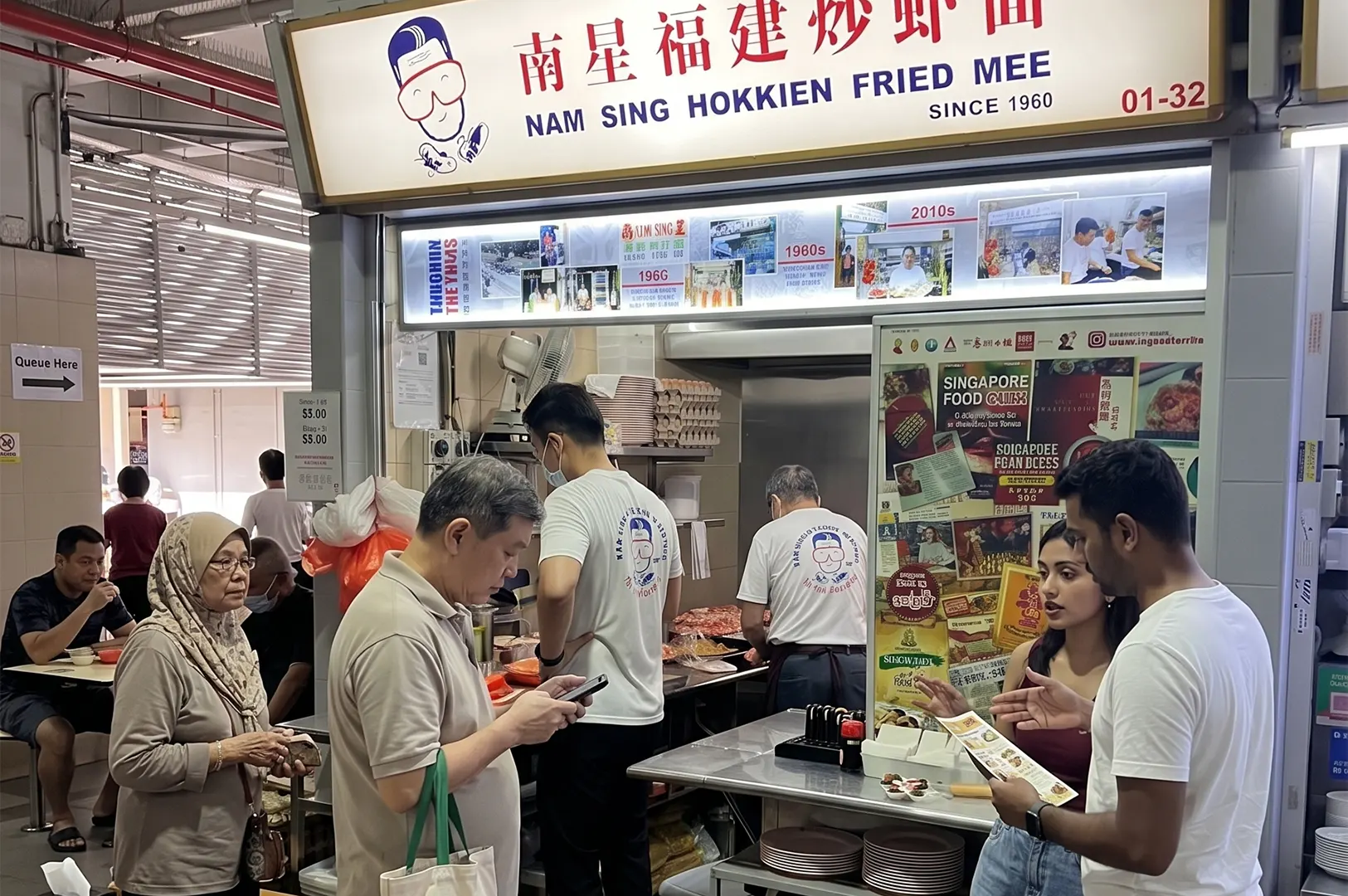
Nam Sing sits at #01-32, 51 Old Airport Road, Singapore 390051, right in the heart of one of the city’s most famous hawker centres. If you’ve been to this food centre before, you’ll know the vibe: bright, busy, and very communal. There’s no air-conditioning, just ceiling fans and the steady hum of trays clattering and uncles chatting.
This is open-air hawker dining at its most authentic, a far cry from the air-conditioned food courts near Marina Bay Sands or the polished restaurants inside luxury hotels in the central business district. You’ll be sharing tables most of the time, especially during peak hours. It’s not fancy, and it’s not trying to be. The Michelin Guide Bib Gourmand recognition hanging at the stall is the only hint that this humble spot has serious credentials.
We’d suggest grabbing a table first if you spot one, then sending someone to queue. Finding a seat during lunch is honestly the harder part, since many hawker stalls here draw big crowds throughout the day.
If you want to steer clear of busy crowds, try visiting some hidden gem hawker stalls located away from the tourist-heavy areas.
The Star Dish: Nam Sing Hokkien Fried Mee
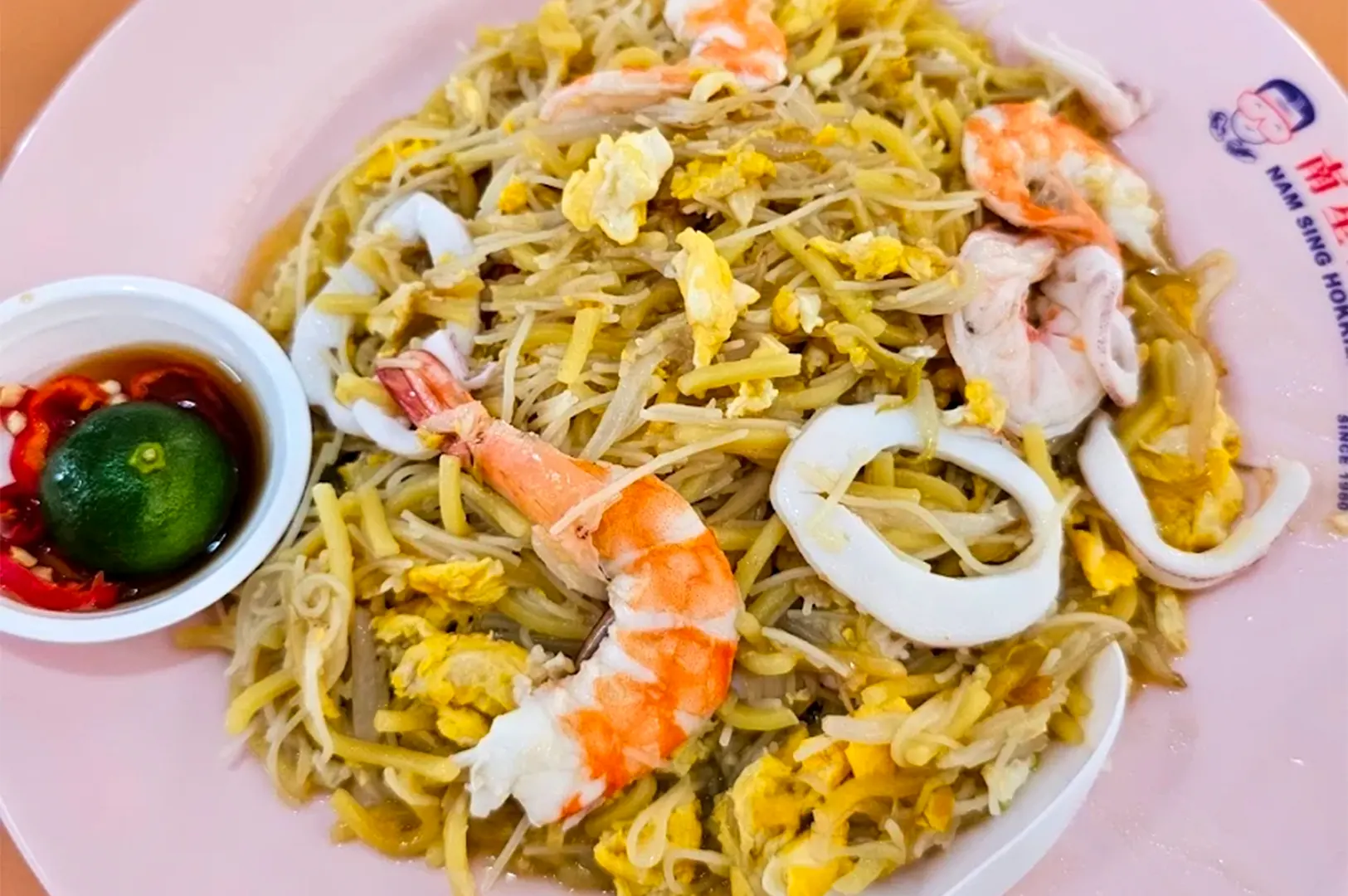
Let’s talk about the noodles, because that’s the whole point here. We ordered both portions: the small at S$5 and the larger at S$8. If you’re properly hungry, go straight for the S$8. The S$5 can feel a little modest.
What sets Nam Sing apart from the many hawker stalls across Singapore’s hawker culture is its dry, bee-hoon-heavy style. Instead of a wet, gravy-soaked plate like you might find with thick rice noodles or flat rice noodles elsewhere, the thin vermicelli and yellow noodles here soak up a broth made from prawn shells and tomalley. The result is deep umami that clings to every strand.
The texture is sticky and a little grainy, with a soft chew. We caught that smoky wok hei on the first bite, followed by an eggy, sweet-salty, savoury finish. The fresh prawns come de-shelled (a nice touch when you’re hungry and impatient), and the sotong adds a springy chew without overpowering anything. It’s a very different experience from prawn noodles or prawn mee, which tend to swim in rich broth with bean sprouts piled on top.
The egg comes in fluffy chunks rather than melting into the noodles, which we liked. Squeeze the lime over everything and it brightens the whole plate.
One thing to flag: there’s no sambal here. Nam Sing serves cut chilli padi with soy sauce instead, giving you a chili sauce that’s sharper and cleaner than the typical blends at satay stalls or nasi lemak counters. We actually enjoyed it, but if you came expecting the sambal you’d get alongside char kway teow or kway teow at other stalls, you might feel something’s missing.
Not Your Typical Traditional Chicken Rice or Char Kway Teow Experience
This is where some first-timers get caught out. Singapore food in hawker centres covers a massive range, from hainanese chicken rice and fragrant rice dishes to braised pork belly, roast duck, mee rebus, and pork ribs. Nam Sing focuses on one thing only. If you love a wet, saucy hokkien mee loaded with pork lard and sliced pork, this isn’t that. It’s drier, simpler, and built around the prawn stock. Judge it on its own terms and you’ll appreciate it far more.
Street Food, Service, and Wait Times at This Hawker Stall
Service is efficient and transactional. Nobody’s here for chit-chat, and that’s fine. You order, you pay, you wait. That’s how most stalls across Singapore’s hawker centers work, from Chinatown Complex to Tiong Bahru Market and beyond.
The wait is the real test. We’ve seen it stretch past 30 minutes, and during a busy lunch it can hit 45. There’s a buzzer system now, so the queue doesn’t always look as long as it actually is. Don’t let a short line fool you. Many locals who work in the area, including office workers from nearby buildings, know to come during off-peak hours to avoid the long line.
Best Hawker Stalls Singapore: Discovering Hidden Treasures
Heritage Recipe Keepers
Some of the best lesser-known hawker center in Singapore are run by families preserving heritage recipes passed down through generations. For instance, a Peranakan family-run stall in a quiet neighbourhood serves braised pork belly (babi pongteh), slow-cooked with taucheo (fermented soybean paste), bamboo shoots, and mushrooms, delivering a rich, savory, and slightly sweet flavor. This recipe has remained unchanged for over 50 years, prepared with painstaking care each morning.
Similarly, a Hokkien family operates a stall specializing in Ngoh Hiang—five-spice meat rolls made with hand-chopped pork and prawns, wrapped in bean curd skin and fried in pork lard. This traditional method imparts a depth of flavor that commercial versions cannot match. These heritage stalls often fly under the radar, lacking online presence but thriving on the loyalty of local customers who appreciate authenticity.
Neighbourhood Champions
Local hawker stalls often become culinary anchors in their communities. In Bedok, a husband-and-wife team hand-make fish balls daily from fresh yellowtail fish, creating fish balls with a springy texture and natural sweetness. Their fiery chili sauce is a guarded recipe that keeps regulars coming back.
In Ang Mo Kio, a jovial hawker runs a stall serving Hainanese curry rice with over 20 side dishes, including crispy pork ribs, sambal squid, and braised cabbage. The mild yet fragrant curry ties the meal together, embodying the comforting spirit of hawker food. These neighbourhood champions focus on serving their communities consistently delicious meals without seeking wide publicity.
Exploring Singapore’s Diverse Hawker Food Neighborhoods
Singapore’s hawker culture is deeply intertwined with its vibrant neighborhoods, each offering unique culinary experiences that reflect the city’s multicultural heritage. Exploring these neighborhoods will enrich your journey through the best hawker stalls Singapore has to offer.
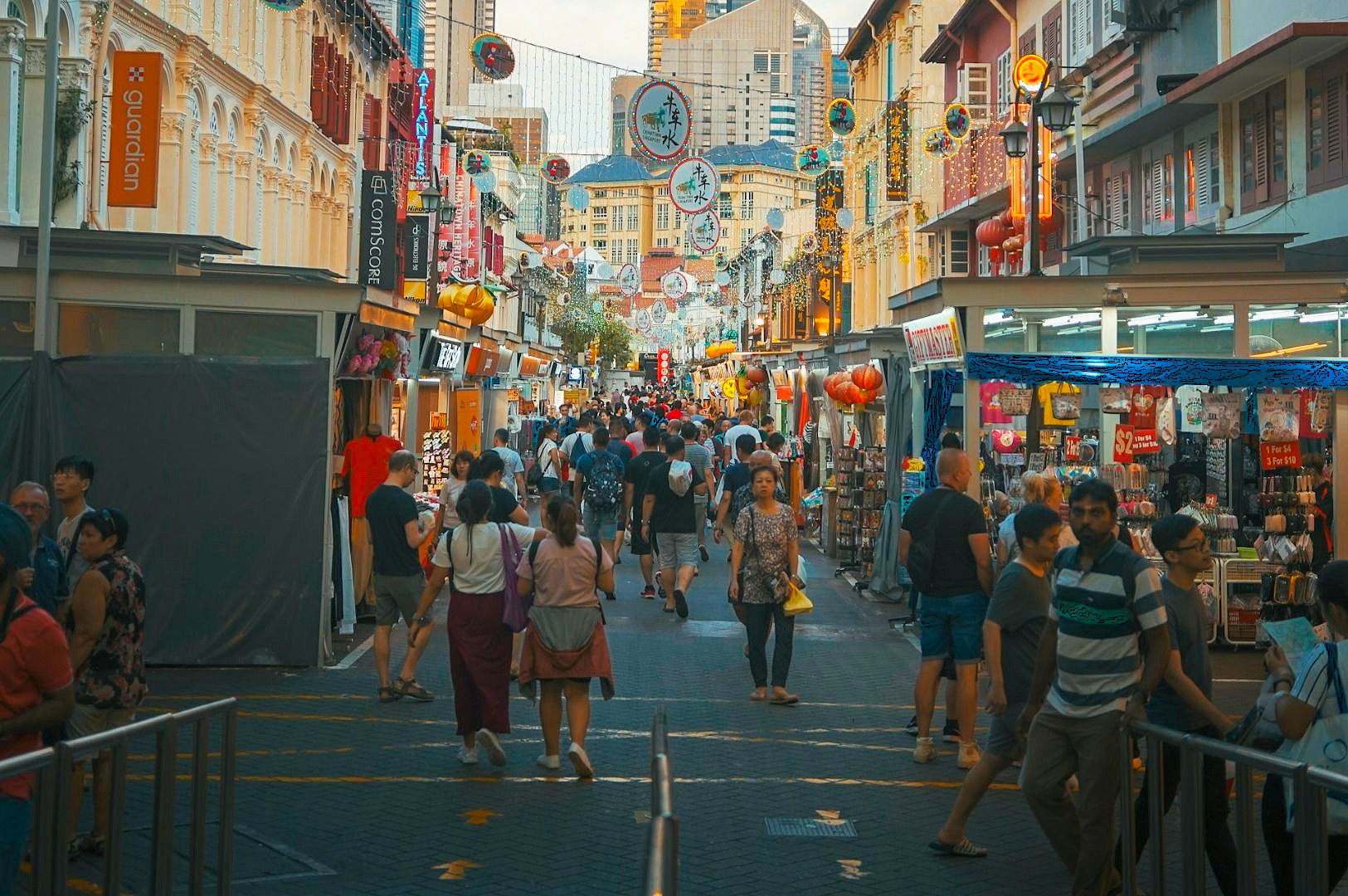
Chinatown: This bustling district is a haven for lovers of Chinese cuisine. Here, you can savor classic dishes such as char siew (barbecued pork), bak chor mee (minced meat noodles), and the famous chili crab. Chinatown Complex Food Centre, the largest hawker centre in Singapore, is a must-visit for authentic flavors and Michelin Guide-recognized stalls.
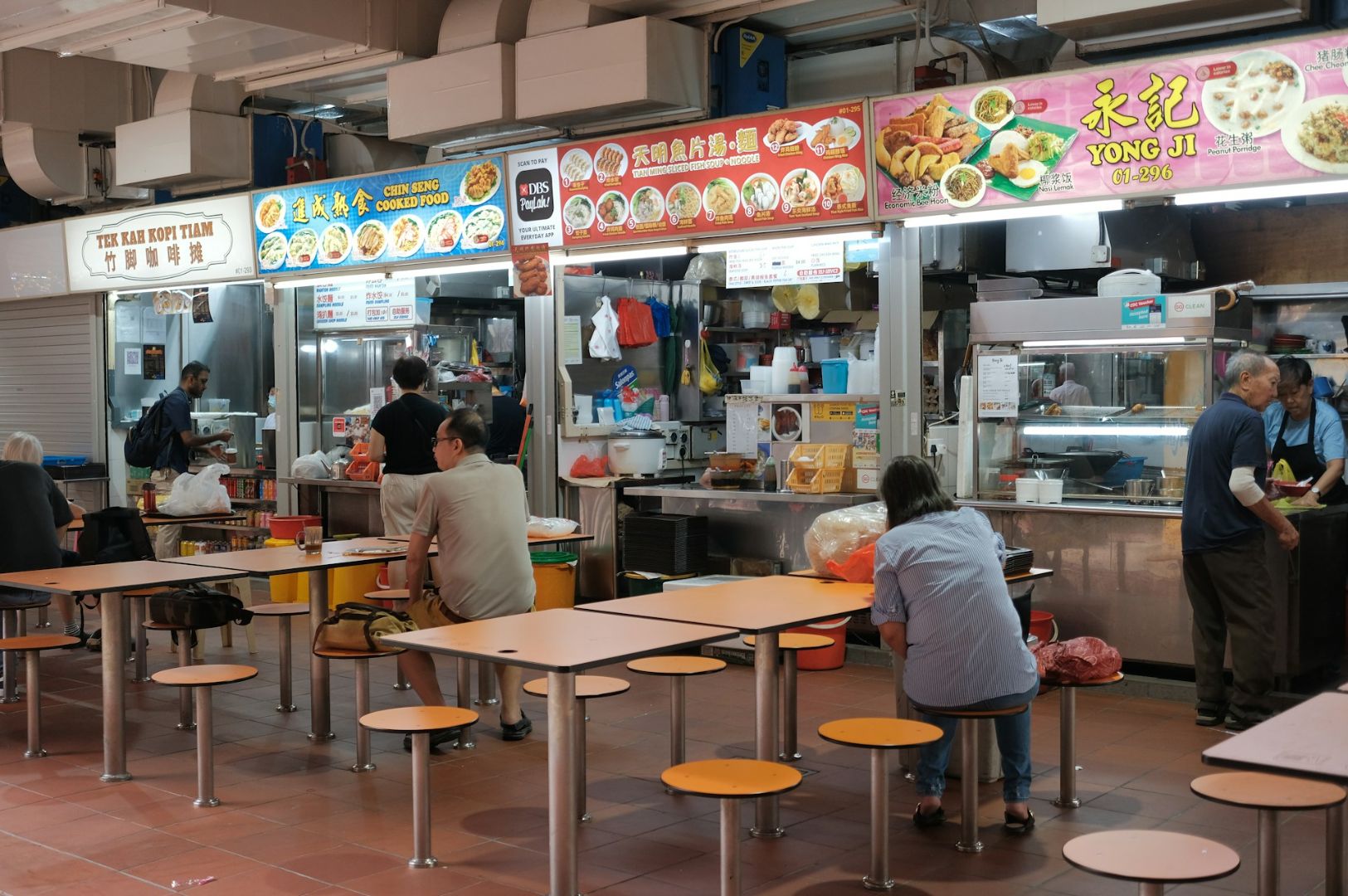
Little India: Known for its vibrant colors and rich aromas, Little India is the place to indulge in authentic South Indian cuisine. Tekka Centre stands out with its diverse food stalls offering biryani, dosa, and roti prata, allowing visitors to experience the mouth-watering spices and textures of Indian street food.
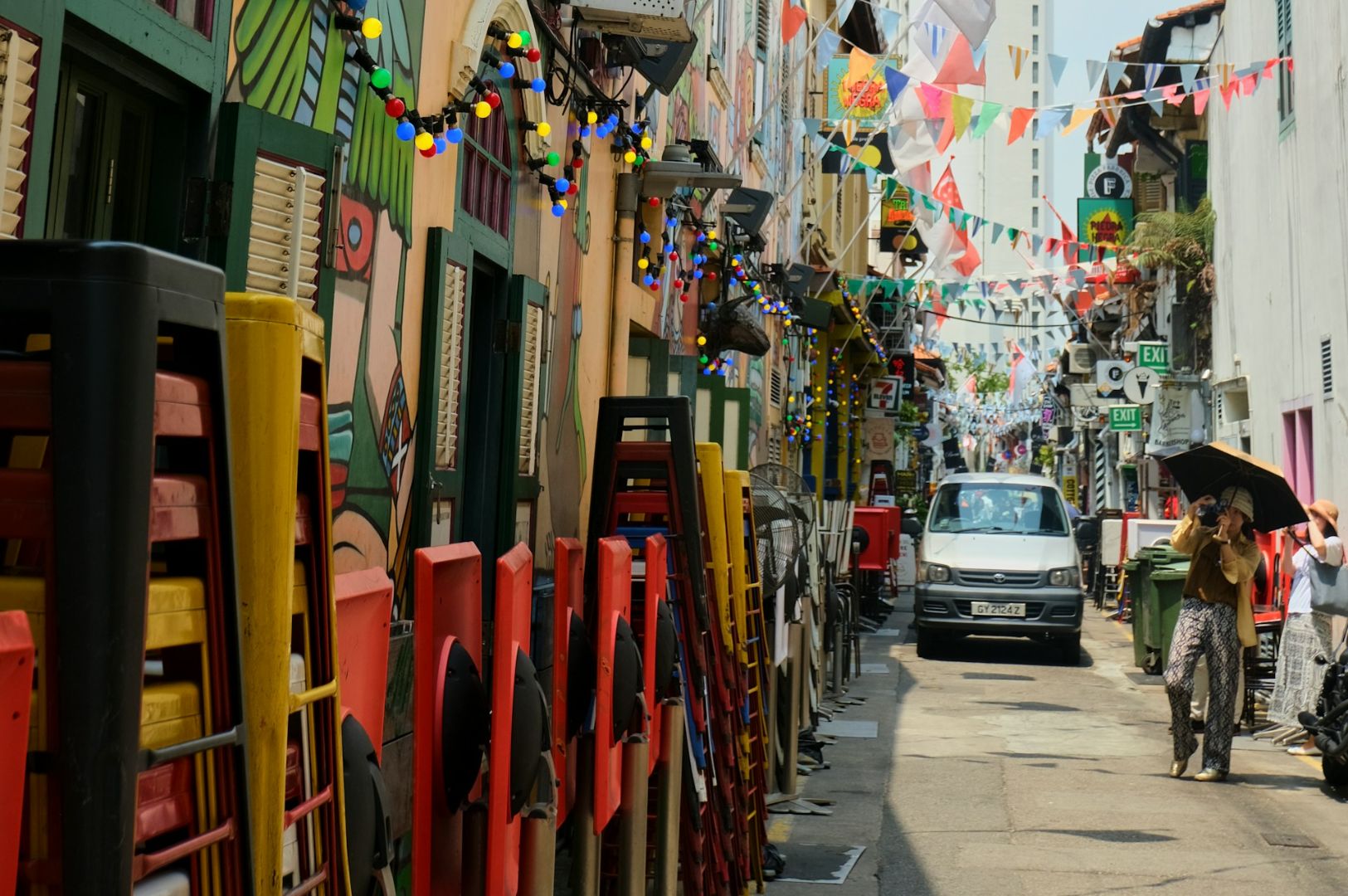
Kampong Glam: This historic Malay-Muslim quarter is renowned for its flavorful Middle Eastern and Malay dishes. Explore the hawker stalls near Arab Street for specialties like nasi lemak, murtabak, and satay. Kampong Glam’s food scene offers a wonderful blend of tradition and contemporary tastes.
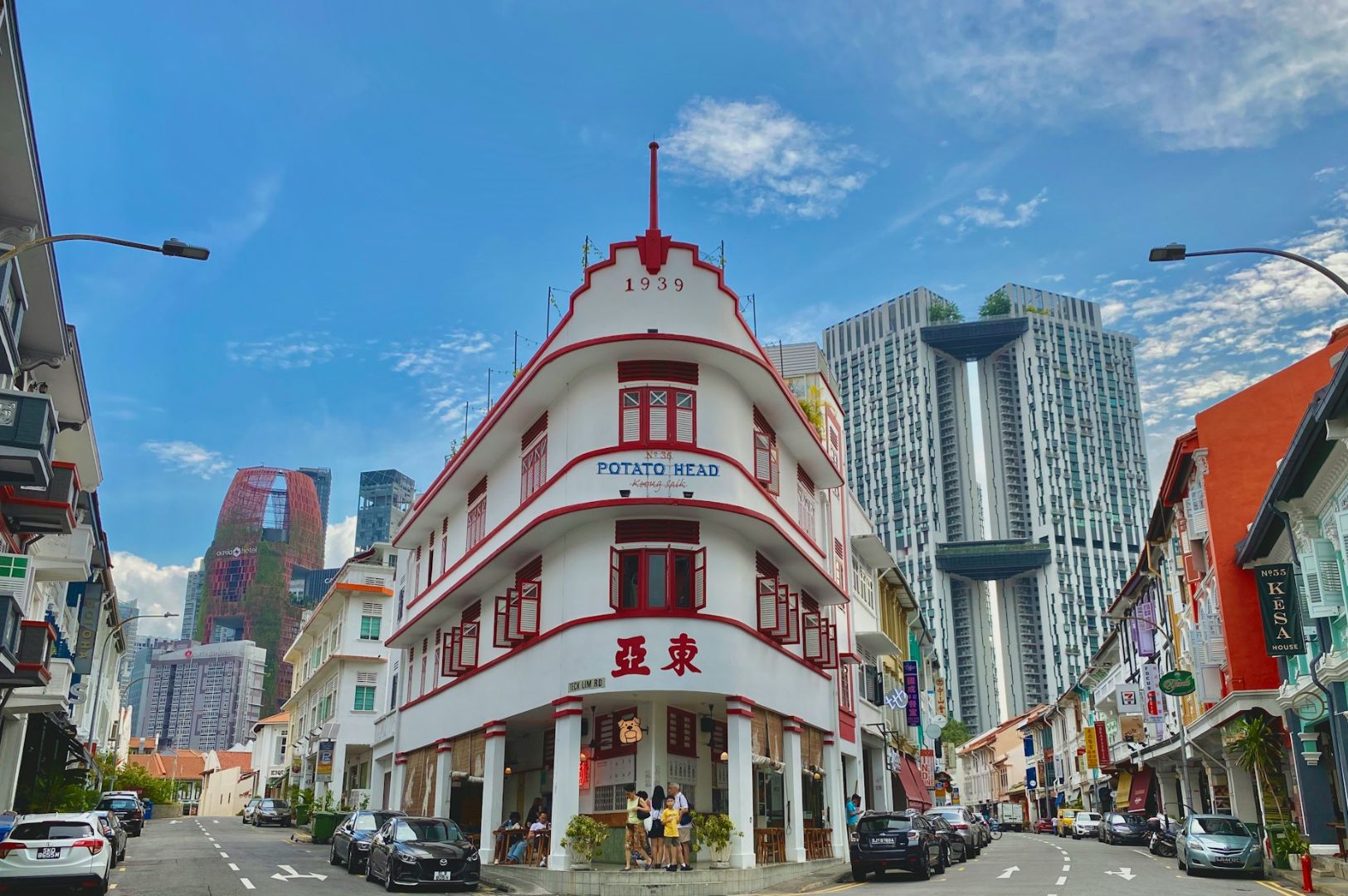
Tanjong Pagar: Located near the Central Business District, Tanjong Pagar offers a mix of traditional and modern hawker fare. The area is known for its vibrant food centres and restaurants that serve everything from classic Hainanese chicken rice to innovative fusion dishes.
By visiting these diverse neighborhoods, you not only taste the best hawker stalls Singapore has to offer but also gain insight into the rich cultural tapestry that shapes the city’s renowned street food scene.
Final Verdict: A Must-Visit Spot in Singapore’s Hawker Culture
Nam Sing Hokkien Fried Mee knows exactly what it is, and it doesn’t apologize for it. In a city where Singapore’s hawker culture spans everything from satay street vendors and chilli crab to noodle story stalls in Little India and kaya toast counters near the city center, Nam Sing represents something specific: one dish, perfected over decades.
The dry, prawn-stock-rich noodles, fresh prawns, springy sotong, and that clean chilli-lime finish make it a genuine heritage experience. It’s the kind of local food that doesn’t need Crazy Rich Asians-level hype to earn its place in the city’s food culture.
We’d happily recommend it if you love dry-style hokkien mee, enjoy bold seafood flavor, and don’t mind queuing or sharing a table. It’s less ideal if you want a wet, saucy version with sambal, or if you’re racing through a quick lunch break.
Our advice? Go early, order the S$8 portion, bring cash, and take it for what it is. You’ll walk away understanding why this stall has loyal fans decades on.