
In the heart of Singapore’s bustling neighborhoods, under the gentle hum of ceiling fans, a culinary symphony unfolds daily. It’s here, within the city’s vibrant Hawker Centres and Open Air Food Courts, that you find the true soul of its Hawker Culture and Local Cuisine. The magic doesn’t come from the centres themselves, but from the individual Hawker Stalls and Street Food Vendors that line their aisles. These small, often family-run kitchens are where culinary legacies are born, recipes perfected over generations are served up on simple plates, and where the story of Singapore is told one delicious bite at a time.
This guide is a celebration of those dedicated artisans. We will journey across the island to discover the legendary Hawker Stalls that have captured the hearts and appetites of a nation. From decades-old institutions to innovative newcomers, these are the places that define Singapore’s Hawker Centres Culture and showcase the best of Hawker Food.
What Makes a Great Hawker Stall in Singapore’s Hawker Centres and Food Courts?
Behind every great Hawker Food dish is a story of passion and perseverance. Legendary Hawker Stalls are not just businesses; they are legacies. Many are helmed by second or third-generation Stall Owners who have inherited not just a recipe, but a profound sense of duty to uphold their family’s culinary heritage. This dedication is tasted in the consistency of the food and the unwavering commitment to quality.
Recognized as an Intangible Cultural Heritage by UNESCO, Singapore’s hawker culture continues to thrive, with most stalls serving fresh, affordable meals that reflect the city’s rich culinary heritage. Many of these centres are located close to major MRT stations, making them easily accessible for both locals and visitors.
Why Hawker Food Matters in Singaporean Daily Life
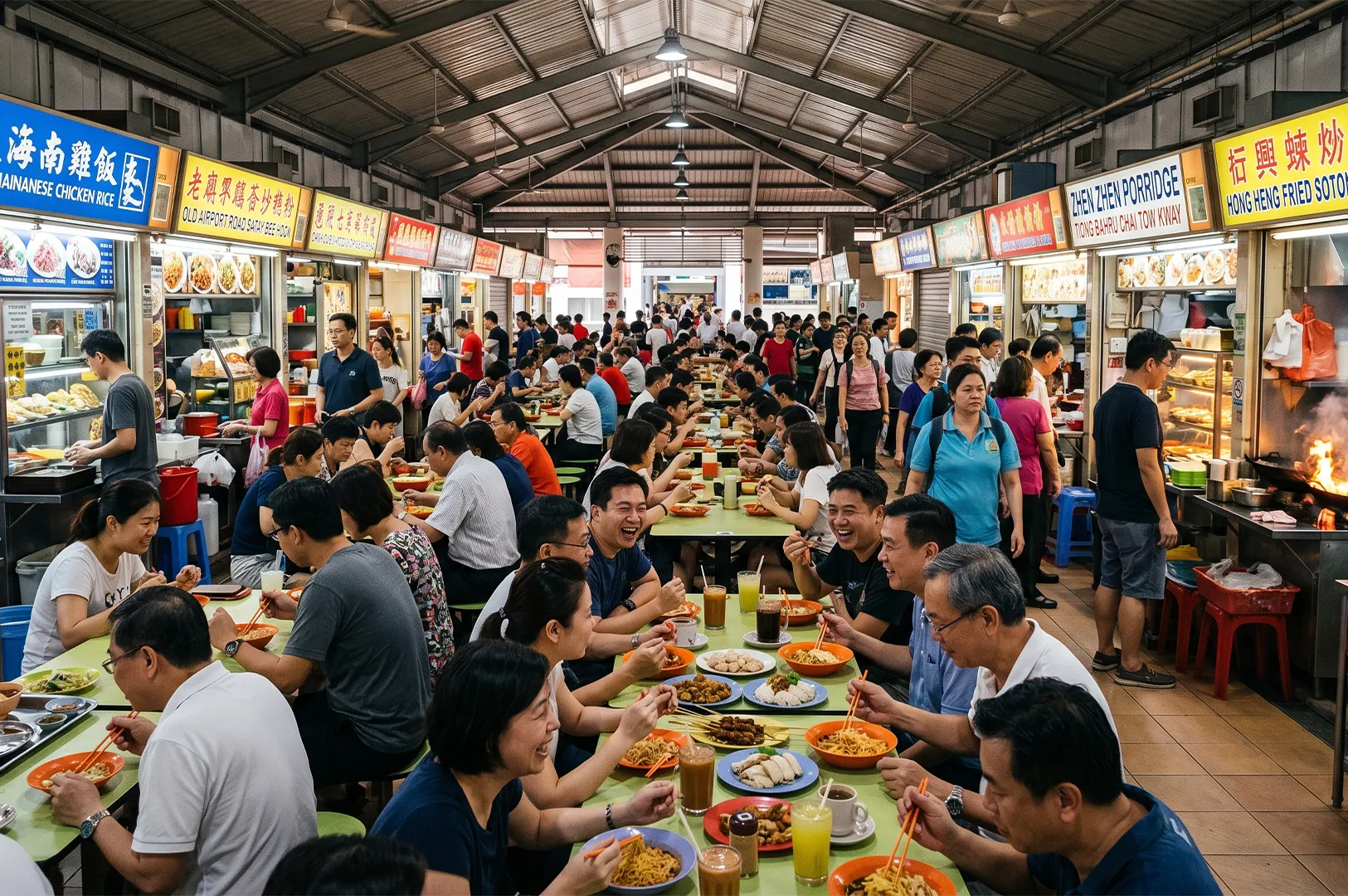
Hawker food continues to play a central role in Singaporean food culture because it remains both accessible and practical for daily dining.
Accessibility and Convenience of Hawker Centres
The strategic placement of hawker stalls within food centres near major public transport nodes enables easy access for locals and tourists alike. Whether you are commuting from work or exploring the city, you can find a nearby food court offering a variety of local foods without the extra cost associated with dining at places like the Marina Bay Sands Hotel or Gardens by the Bay. This convenience encourages frequent visits, making hawker food an integral part of daily meals.
Affordability and Variety of Singapore’s Hawker Food
One of the key reasons for the continued popularity of hawker stalls is the affordability they offer. Compared to sit-down restaurants, meals at hawker centres such as Maxwell Food Centre, Newton Food Centre, and Old Airport Road Food Centre provide delicious, authentic dishes at budget-friendly prices. For example, a plate of chicken rice with fragrant rice and a side of spicy chili sauce costs just a fraction of what a similar meal would be in a fine dining establishment.
Social and Cultural Significance of Hawker Centres
Beyond just food, Singapore’s hawker culture fosters a strong sense of community. The open-air design of many hawker centres and the presence of community dining rooms encourage diners from all walks of life to share tables, stories, and experiences.
The hawker culture also highlights the legacy of street vendors and street food vendors who were formalized into permanent hawker centres in the mid-20th century, preserving their culinary traditions while improving hygiene standards. Today, this culture is recognized as an intangible cultural heritage by UNESCO, underscoring its importance to Singapore’s social fabric.
The Role of Wet Markets and Food Courts in Hawker Culture
Many hawker centres like Tekka Centre also incorporate a wet market, offering fresh produce alongside prepared dishes. This integration allows street vendors to source ingredients locally, contributing to the freshness and authenticity of the food served. The presence of wet markets alongside food stalls creates a dynamic environment where culinary traditions thrive.
Must-Try Singapore Street Food Dishes Found at Hawker Stalls
Chicken Rice
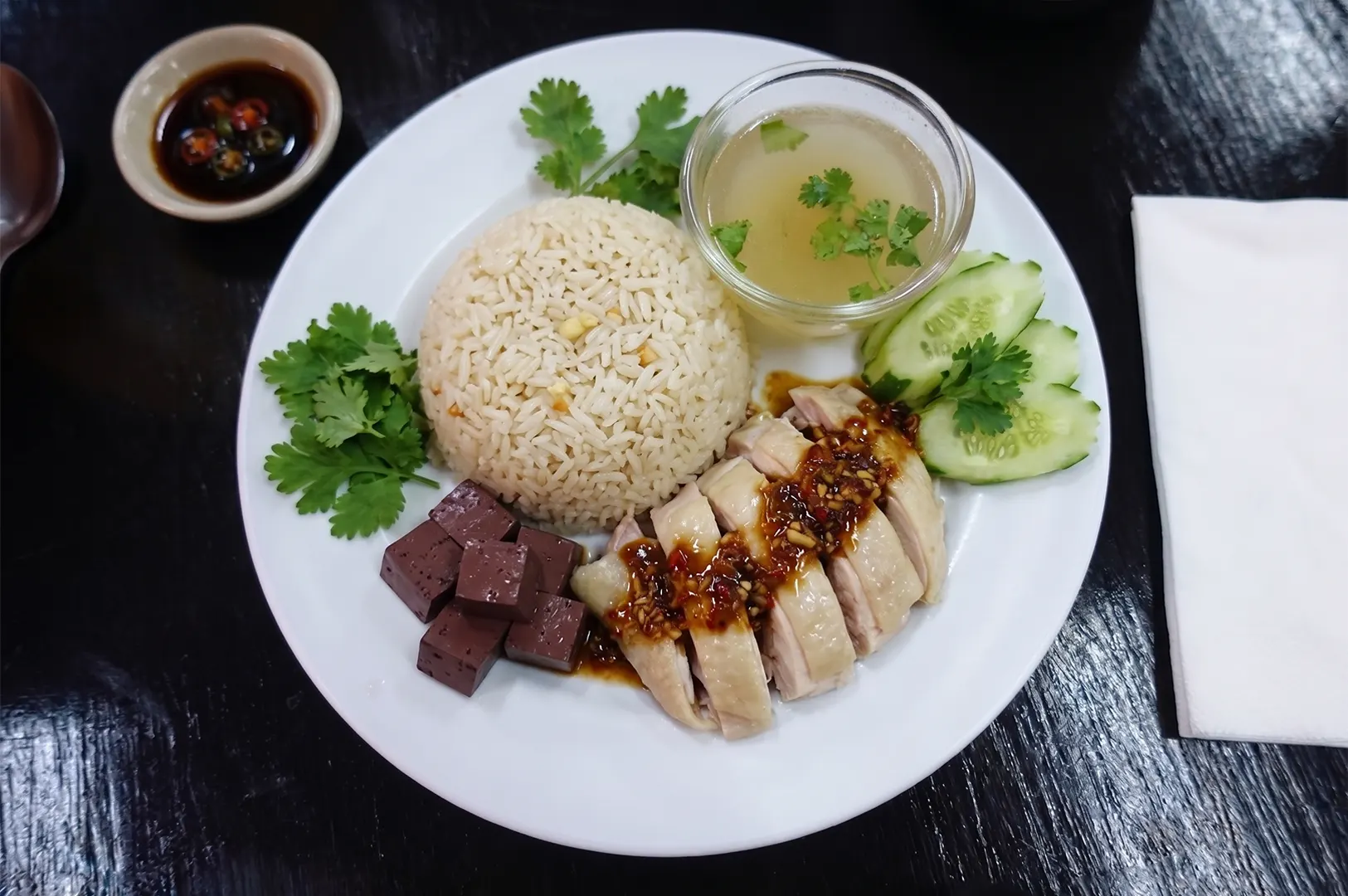
Chicken rice remains one of the most recognised examples of Singapore street food and a staple at hawker stalls. Commonly prepared using poached or roasted chicken served alongside fragrant rice cooked in stock, the dish is typically accompanied by chilli sauce and soy sauce. Many hawker stalls specialise exclusively in chicken rice, with some attracting a long queue during lunch and dinner periods. Variations may include roast duck or char siu combinations, reflecting the influence of Chinese food traditions.
Char Kway Teow and Hokkien Mee
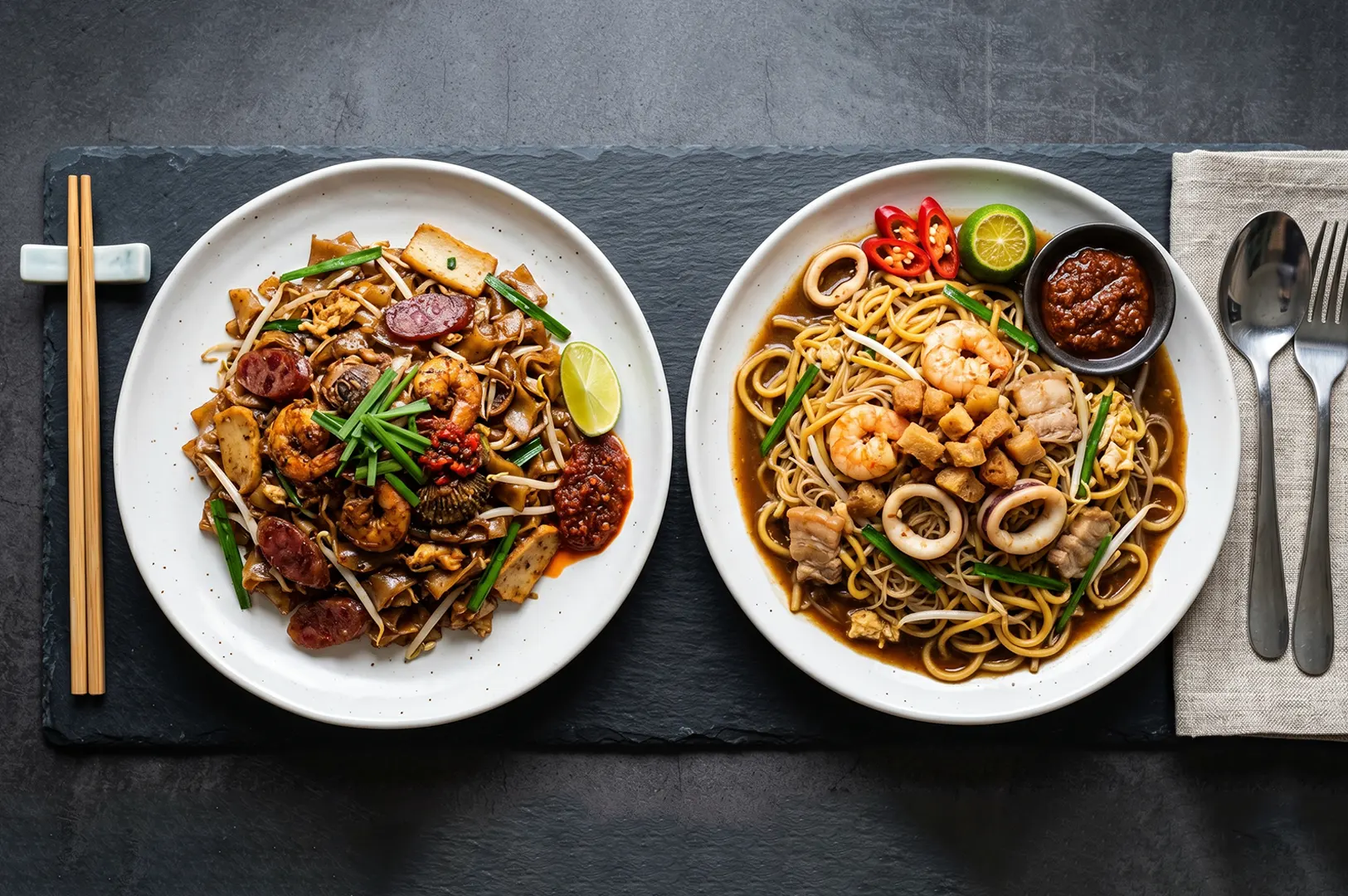
Char kway teow and hokkien mee are among the most established noodle dishes found across Singapore’s hawker centres. Char kway teow is traditionally prepared using flat rice noodles stir-fried with dark soy sauce, seafood, egg, and preserved ingredients, while hokkien mee combines yellow egg noodles and rice noodles cooked in a rich seafood stock. Both dishes are incredibly popular and showcase the delicious food variety available at many stalls.
Bak Chor Mee and Noodle Soup Dishes
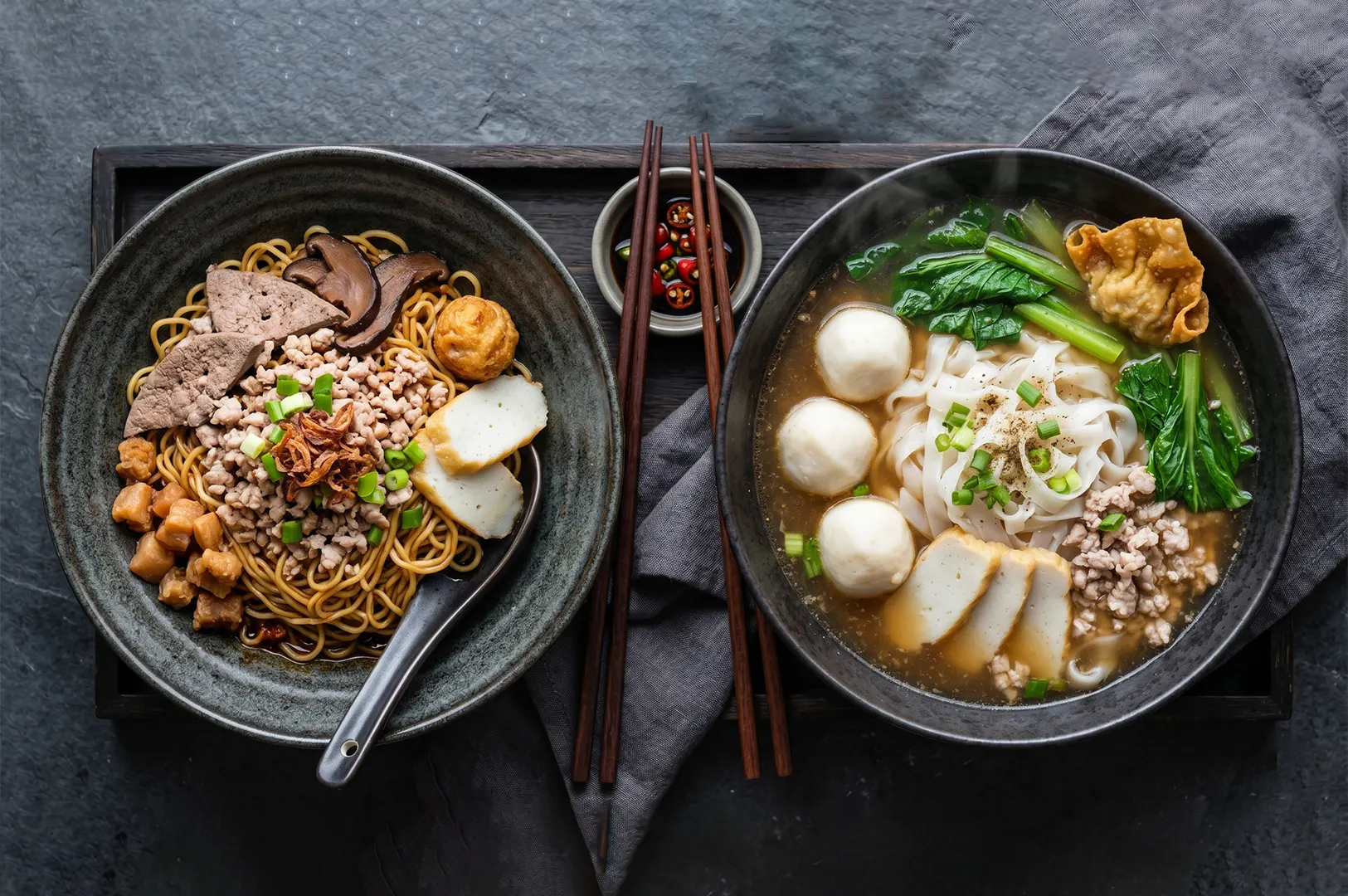
Bak chor mee is another popular dish commonly found within hawker stalls specialising in noodle soup and Teochew-style dishes. The dish typically combines minced pork, fish balls, vinegar-based sauces, and noodles served either dry or in soup form. Other noodle soups may feature pork ribs, fish-based broths, or handmade ingredients that reflect longstanding hawker traditions passed between generations of hawkers.
Chilli Crab and Zi Char Dining
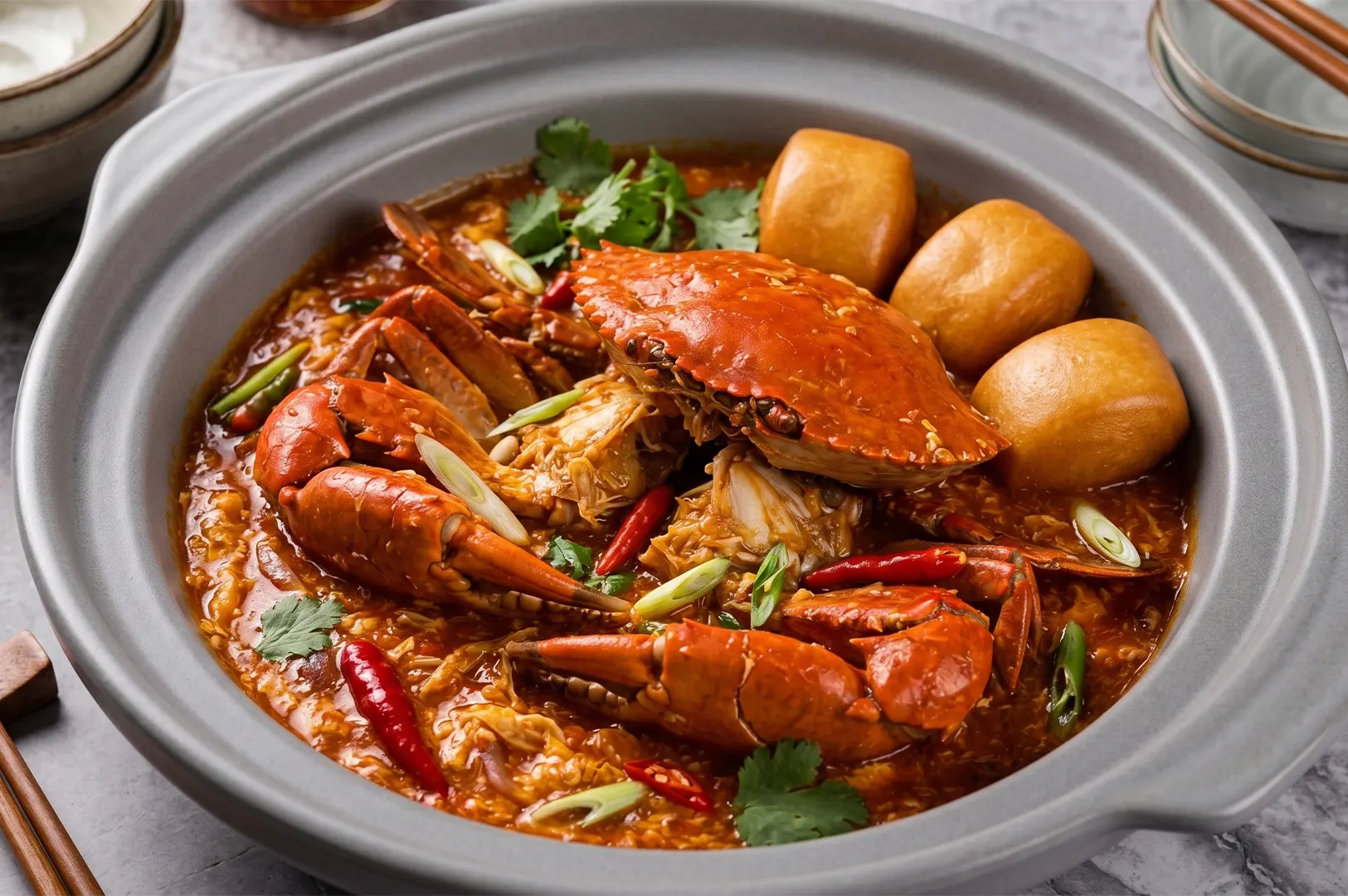
Although chilli crab is frequently associated with seafood restaurants, zi char stalls within hawker centres also contribute to Singapore’s shared dining culture. Zi char refers to a style of cooking that focuses on preparing dishes intended for group dining rather than individual portions. These meals often include seafood, rice, vegetables, and wok-fried dishes designed for communal eating. Chilli crab, often cooked with a thick, sweet and savory sauce with a hint of sourness, remains one of Singapore’s most internationally recognised and incredibly popular foods.
Kaya Toast and Traditional Breakfast Culture
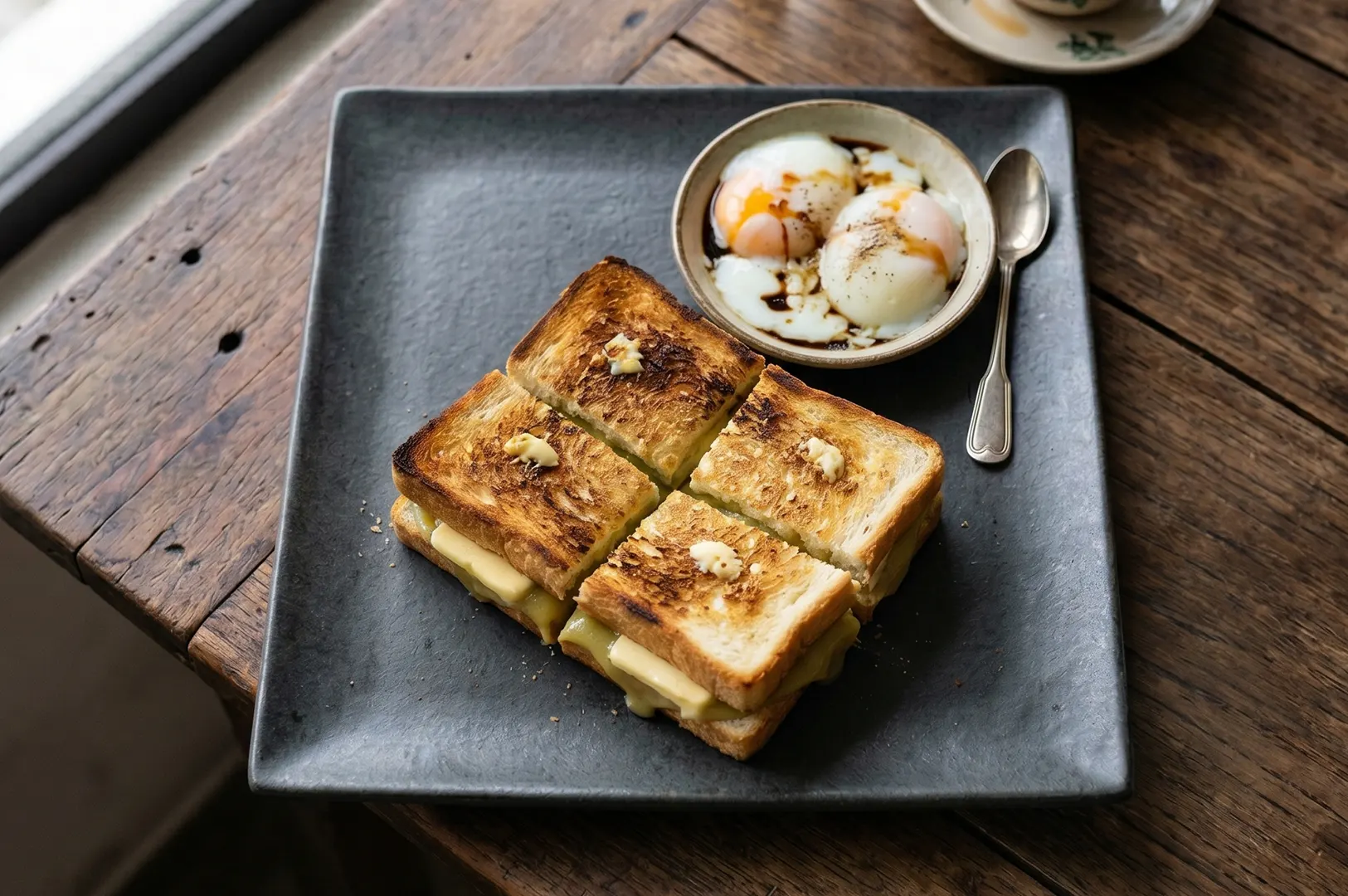
Kaya toast continues to represent an important part of Singaporean breakfast traditions and authentic South Indian cuisine influences. Typically served with soft-boiled eggs and coffee or tea prepared with condensed milk, the dish features toasted bread spread with coconut jam and butter. Although often associated with coffee shops, kaya toast remains closely connected to broader hawker food culture because of its accessibility and familiarity across Singapore.
Other Iconic Dishes to Try
When visiting hawker centres, don’t miss out on other must-try dishes like roti prata, laksa, and carrot cake. The carrot cake, often available in both black and white versions, is a beloved snack made from daikon radish rather than carrots. It is usually stir-fried with eggs and preserved radish, sometimes topped with crushed peanuts for extra texture. Laksa offers a spicy noodle soup rich in coconut milk and herbs, reflecting the multicultural flavors of Singapore food. Roti prata, a flaky and crispy flatbread, is a popular breakfast and snack item often served with curry.
These dishes embody the essence of Singapore’s hawker culture, offering a delicious food journey through the city’s diverse culinary heritage.
Experience Singapore’s Hawker Culture Beyond Food
While enjoying the delicious dishes, soak in the lively atmosphere of these Food Courts and Hawker Centres. You’ll find a melting pot of cultures, with Small Stalls offering everything from Chilli Crab to Char Kway Teow, and desserts like Sweet Red Bean and Red Bean treats sprinkled with Sesame Seeds.
When visiting Singapore’s hawker stalls, be sure to try other iconic dishes such as Hokkien Mee, a flavorful stir-fried noodle dish, Roti Prata, a crispy and savory breakfast favorite, and Laksa, a spicy noodle soup rich in coconut milk and spices. These dishes showcase the diversity and depth of hawker food available.
Embracing Singapore’s Hawker Culture Today
Whether you are seeking a quick bowl of noodle soup with egg noodles and fish balls or a leisurely meal featuring roast duck and soy sauce-glazed meats, Singapore’s hawker centres provide an unparalleled culinary experience. The combination of affordability, accessibility, and community spirit ensures that hawker food remains a cornerstone of Singaporean food culture, inviting everyone to partake in its rich and diverse flavors.
Essential Tips for Visiting Singapore’s Hawker Centres
To make the most of your visit to Singapore’s hawker centres, keep these tips in mind.
- Arrive before or after the busy lunch hours, typically between 12 pm and 2 pm, to avoid long queues and secure a seat.
- Many hawker stalls prefer cash payments, so don’t forget to bring small bills for convenience.
- When choosing where to eat, look for stalls with long lines—this usually means the food is pretty good.
- Additionally, it’s common to reserve a table by leaving a packet of tissues on the seat, a local practice known as “choping.”
- Embrace the fun and vibrant atmosphere of these food markets, where business people, families, and tourists alike gather to enjoy delicious hawker food and refreshing drinks like kopi and beer.
Conclusion
The Hawker Stalls and Street Food Vendors of Singapore are more than just places to eat. They are the heartbeats of their communities, custodians of cultural heritage, and workplaces of some of the most dedicated culinary artists you will ever meet. Each stall tells a story of family, sacrifice, and passion. By supporting these stalls, you help preserve a vital piece of Singapore’s Hawker Culture and enjoy some of the best Local Foods in Southeast Asia.
So, go out and explore. Be adventurous. Talk to the Stall Owners. Discover the hidden gems in your own neighborhood and beyond. The best Hawker Stalls are waiting to be found.
For more resources on discovering authentic hawker experiences, Singapore Hawkers is a great place to start your journey.