
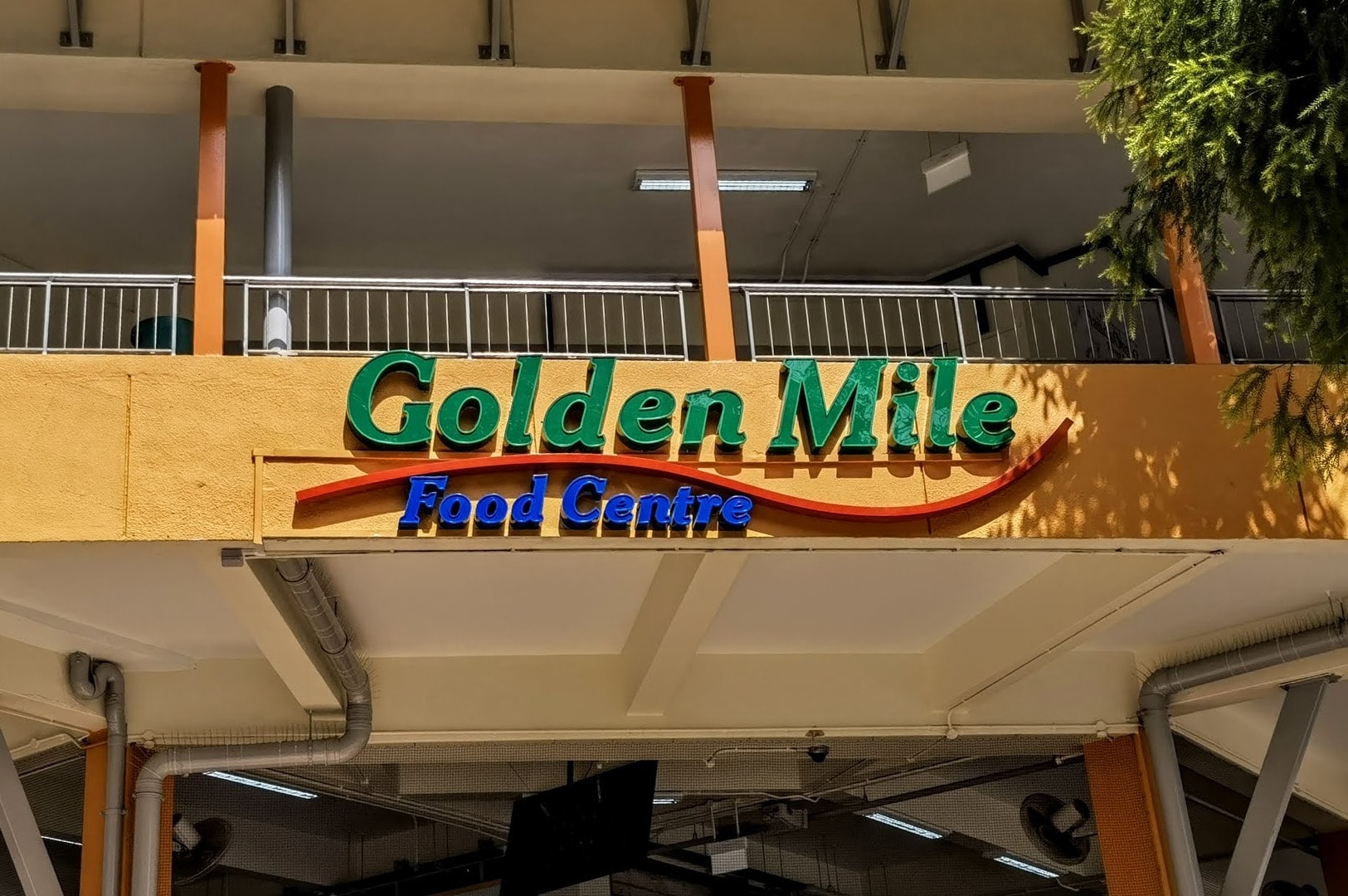
is more than just a hawker centre; it is a vibrant cultural hub that embodies Singapore’s rich multicultural heritage and the enduring presence of the Thai community. Nestled along Beach Road, it sits adjacent to the iconic Golden Mile Complex, a Brutalist architectural marvel completed in 1973 and designed by DP Architects (formerly Design Partnership). This strata titled development was a pioneering effort in Singapore’s urban renewal, introducing mixed-use concepts that integrated residential, commercial, and recreational spaces within a single structure. The collaboration between visionary bodies such as the Urban Research Group and the Urban Redevelopment Authority paved the way for this innovative urban design, which continues to influence Singapore’s cityscape.
Historical Origins of Golden Mile Food Centre and Golden Mile Complex
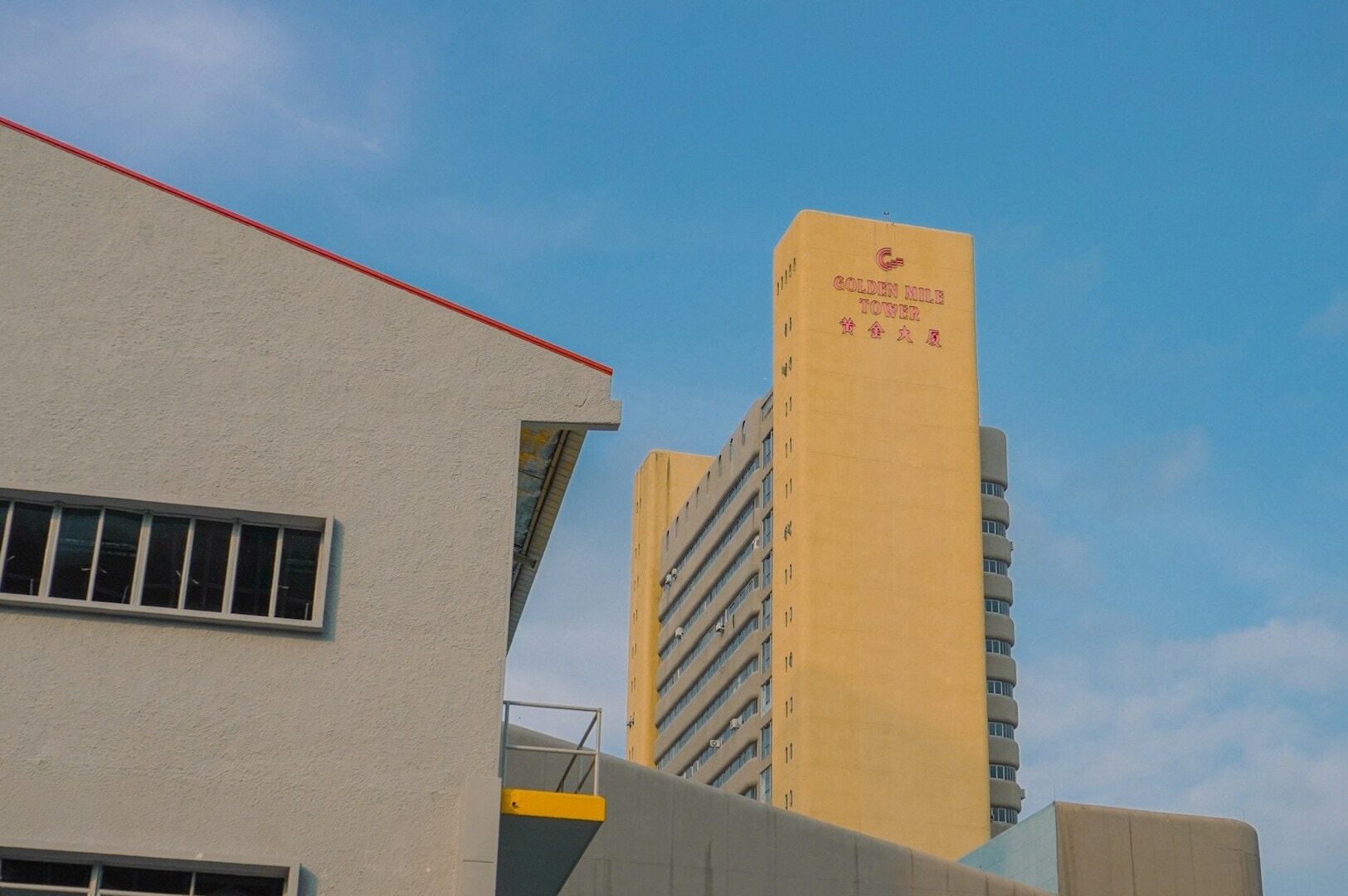
The Golden Mile Complex, initially known as Woh Hup Complex, represented a bold architectural and urban planning experiment. Its distinctive stepped terraced design, praised by architectural commentators like Peter Keys and Robert Powell, maximized panoramic views along Nicoll Highway and Beach Road while fostering a sense of community among residents and workers. Alongside contemporaries such as People’s Park Complex, it exemplified the concept of strata titled developments that combined commercial viability with progressive urban renewal strategies.
Conceived in the late 1960s and completed in 1973, the complex was a product of Singapore’s forward-thinking planning initiatives. The Urban Redevelopment Authority, together with the Singapore Planning and Urban Research Group, championed mixed-use developments that challenged traditional zoning principles, which had long separated residential, commercial, and industrial areas. The Brutalist architectural style of the complex, characterized by raw concrete and minimalist aesthetics, was groundbreaking in Singapore at the time and remains a conserved building today, recognized for its heritage value.
The adjacent infamous Golden Mile Food Centre was established as part of the 1970s hawker resettlement program, which aimed to relocate street vendors into hygienic and organized environments. Initially, the food centre offered a diverse range of local Chinese and Malay dishes. However, as the Thai migrant community grew in Singapore, the food centre gradually evolved into a hub for authentic cheap Thai food. This transformation was fueled by Thai workers and immigrants settling in the vicinity, drawn by affordable housing and proximity to transport nodes. The food centre became an epicenter of Singapore’s “Little Thailand,” where dishes featuring pork ribs, braised pork rice, braised pork cheek set, salted fish, shiitake mushrooms, black fungus, prawns, and fish cake became staples, celebrated for their authenticity.
This culinary evolution was more than just a change in menu; it reflected the Thai community’s desire to preserve their culture and traditions thousands of miles from home. The food centre emerged as a social and cultural gathering place, where language, customs, and shared meals reinforced community bonds.
Golden Mile Food Centre: A Culinary and Cultural Hub
Golden Mile Food Centre bustles with energy, especially during lunch time, when the aroma of wok hei-infused noodles and sizzling seafood spaghetti fills the air. The centre offers a remarkable blend of traditional and contemporary culinary experiences. Stalls such as Chef Choo Signature elevate hawker fare with refined dishes, while Oyster Boy is famed for its crispy oyster cakes that delight patrons with authentic flavors.
Dessert stalls provide a sweet conclusion to meals, serving traditional treats like glutinous rice balls (tang yuan) and peanut soup, often presented in a traditional porcelain bowl that adds to the nostalgic experience. Granny grass jelly and almond milk are also popular choices, offering refreshing contrasts to the rich main courses.
Sambal chilli, a spicy and tangy condiment, enhances many dishes, adding depth and heat that is beloved by locals and visitors alike. The affordability of the centre, with prices starting at wallet-friendly levels, ensures accessibility to a broad audience. Unique offerings such as Mr Baguette’s lava-filled baguettes and the yin yang drink—a harmonious blend of tea and coffee—add to the diverse culinary landscape.
Beyond its gastronomic offerings, the food centre serves as a living cultural institution. The Thai language resonates throughout the space, and traditional festivals like Songkran are celebrated with vibrant communal spirit. The centre’s atmosphere is one of warmth and togetherness, reflecting the social fabric of the Thai community and their integration into Singapore’s multicultural mosaic.
To read a much more in-depth recommendations on the best food this hawker centre has to offer, click here!
Architectural Significance and Conservation Efforts
The architectural significance of Golden Mile Complex is deeply intertwined with the cultural identity of the food centre. Recognized as a conserved building by the Urban Redevelopment Authority, the complex’s Brutalist character and distinctive stepped form are protected as part of Singapore’s architectural heritage.
However, the complex’s strata titled ownership structure, where individual owners exercise autonomy over their units, has led to challenges. Over the years, uncoordinated renovations by other owners resulted in additions such as zinc sheets, patched floors, and other makeshift modifications. These changes contributed to the complex’s negative reputation, with some public figures and media outlets labeling it a vertical slum and a national disgrace, citing its deteriorating appearance and the impact on national welfare.
In 2022, a landmark collective sale saw the complex acquired by a consortium comprising Far East Organization, Sino Land, and Perennial Holdings. This sale marked the beginning of a new lease of life for the complex, with redevelopment plans that balance heritage conservation with modern needs. The rejuvenation includes the addition of medical suites, office spaces, and an architecture centre dedicated to celebrating the complex’s rich history and architectural significance.
DP Architects, the original firm behind the design, has been engaged to oversee the restoration and modernization efforts. Their approach seeks to preserve the complex’s creative design elements while enhancing commercial viability, ensuring the building remains a vibrant part of Singapore’s urban fabric.
The redevelopment aims to restore the complex’s architectural integrity, removing unsightly additions and reinstating original features. The inclusion of new amenities and green spaces is designed to attract tenants and visitors alike, securing the complex’s relevance for future generations. The architecture centre will serve as a cultural hub, educating the public about the building’s role in Singapore’s urban development and architectural heritage.
Cultural and Economic Impact in Golden Mile Singapore
Golden Mile Singapore today is a dynamic precinct where heritage, commerce, and community converge harmoniously. The food centre continues to be a magnet for locals and tourists seeking authentic Thai cuisine and a taste of Singapore’s multicultural culinary scene.
The precinct’s evolving urban design reflects Singapore’s commitment to preserving living heritage amid rapid modernization. The food centre’s opening hours are tailored to the community’s lifestyle, fostering social interaction and cultural exchange throughout the day.
Economically, the area supports numerous small businesses, many family-run, contributing significantly to Singapore’s diverse food ecosystem. Affordable yet high-quality dishes such as braised pork rice, claypot rice, and handmade dumplings attract a wide demographic, from working professionals to families and tourists.
Stalls like Chef Choo Signature and Oyster Boy add culinary depth, appealing to food enthusiasts who appreciate both traditional flavors and innovative interpretations. The precinct’s cultural vibrancy has been highlighted in media coverage, including the Straits Times, underscoring its importance as a cherished cultural institution.
The area also contributes to Singapore’s tourism landscape, offering an authentic experience in Golden Mile Food Centre Singapore that contrasts with more commercialized attractions. Visitors gain insight into the immigrant experience and the role of food in cultural preservation and community building.
Visiting Golden Mile Food Centre: Tips for a Meaningful Experience
To fully appreciate the Golden Mile Food Centre, visitors are encouraged to approach their visit as a cultural immersion. Observing the lively interactions, where Thai families share communal dishes and workers unwind after a long day, provides insight into the centre’s social role.
Exploring beyond the food stalls to nearby shops reveals a broader cultural tapestry, including Thai music, newspapers, and religious artifacts. Sampling signature dishes such as claypot rice, braised pork rice, and dumplings, along with desserts like grass jelly and tang yuan, enriches the culinary experience.
Respectful engagement with hawkers and patrons is essential, as the food centre is a cherished community space. Understanding the cultural context enhances appreciation and fosters meaningful connections.
Conclusion: Preserving a National Treasure
Golden Mile Food Centre and Golden Mile Complex together symbolize Singapore’s spirit of innovation, cultural diversity, and resilience. Their preservation and revitalization ensure that future generations can continue to enjoy this unique enclave, celebrating a rich tapestry of flavors, stories, and architectural heritage.
The ongoing redevelopment, guided by stakeholders including the Urban Redevelopment Authority, Far East Organization, Sino Land, and Perennial Holdings, exemplifies a balanced approach to heritage conservation and modern urban needs. This serves as a model for sustainable urban renewal, demonstrating how historic sites can be revitalized without losing their essence.
As Golden Mile Singapore enters this exciting new chapter, it remains a beacon of multicultural identity and a testament to the power of community and creative design in shaping vibrant urban life.
Explore More and Savor the Flavors of Golden Mile Food Centre
We invite you to visit Singapore Hawkers to discover more about the rich heritage and vibrant culture of Golden Mile Food Centre and Golden Mile Complex. Dive deeper into the stories behind this iconic precinct and stay updated on its exciting developments.
If you’re eager to tantalize your taste buds, don’t miss our next article, where we explore the best foods that Golden Mile Food Centre has to offer. From authentic Thai dishes to beloved local favorites, it’s a culinary journey you won’t want to miss. Join us as we uncover the must-try stalls and signature flavors that make this hawker centre a beloved destination for food lovers.
Stay tuned and happy eating!