
While many visitors to Singapore flock to iconic hawker centers in Singapore like Newton Food Center, Lau Pa Sat and Maxwell Food Centre, the city’s true culinary heart beats strongest in its lesser-known neighborhood food courts. A hawker center is basically a collection of small food stalls offering a wide variety of dishes. These hidden gems offer cheap meals and authentic family recipes, preserving Singapore’s rich hawker culture—a heritage recognized by UNESCO. Similar to open-air food courts and night markets throughout Southeast Asia, these centers often include vibrant wet markets nearby, highlighting the region’s shared traditions.
Neighborhood food courts in residential areas such as Bukit Merah, Toa Payoh, Clementi, Yishun, Queenstown, and Hougang are where veteran street vendors continue family legacies by serving beloved local food dishes such as Soya Sauce Chicken Rice, Char Kway Teow, and Hainanese Chicken Rice at prices locals treasure. These hawker centers feature a bunch of small food stalls, each focusing on perfecting particular dishes like noodle soup, creating a genuine atmosphere where regulars gather to eat and socialize to experience authentic local flavors and vibrant street food culture at Singapore’s famous Hawker Centres
Introduction to Hawker Centers’ Culture
Singaporean cuisine emerges as a contemplative tapestry, meticulously woven from the refined threads of Chinese, Malay, Indian, and Peranakan heritage—each tradition contributing its own artisanal mastery to create one of the world’s most sophisticated culinary sanctuaries. Here, the palate encounters a curated symphony of sensations: the gentle caress of sweetness, the awakening touch of spice, the grounding embrace of umami. The city’s culinary treasures—the legendary chilli crab with its glossy crimson embrace, the serene perfection of Hainanese chicken rice, the aromatic poetry of carefully spiced biryani—each dish carries within it centuries of cultural wisdom and craftsmanship.
Places like Lau Pa Sat on Boon Tat Street are more than just food courts—they are community sanctuaries where locals gather for great food and meaningful connection. The atmosphere is vibrant, filled with sizzling woks, friendly chatter, and aromatic spices. Running a hawker stall requires hard work, with hawkers dedicating long hours each day to prepare ingredients, cook, and serve customers. Hawker culture reflects Singapore’s multicultural heritage and commitment to preserving culinary traditions amid modernization.
Why Hidden Hawker Centers Offer Singapore’s Most Authentic Food Experience
The difference between famous Hawker Centers and neighborhood food courts goes beyond location. Neighborhood stalls serve classic dishes refined over decades, often at lower prices. For example, Char Kway Teow at in other famous Hawker Centers might cost S$8–12, while at a neighborhood food centre it typically costs S$5–6, reflecting a focus on accessibility. Unlike tourist spots, heartland hawker centres emphasize mastery of a few dishes, preserving culinary traditions and fostering genuine relationships between hawkers and customers. Individual stalls often specialize in one or two signature dishes, so visiting at different times can reveal new experiences.
Many stalls have been family-run for generations, with recipes and cooking methods passed down like heirlooms. This dedication ensures the food is not just a meal but a cultural experience. For visitors seeking authenticity, neighborhood food courts offer a glimpse into everyday local life and culinary excellence.
Practical Guide to Exploring Hidden Hawker Centers
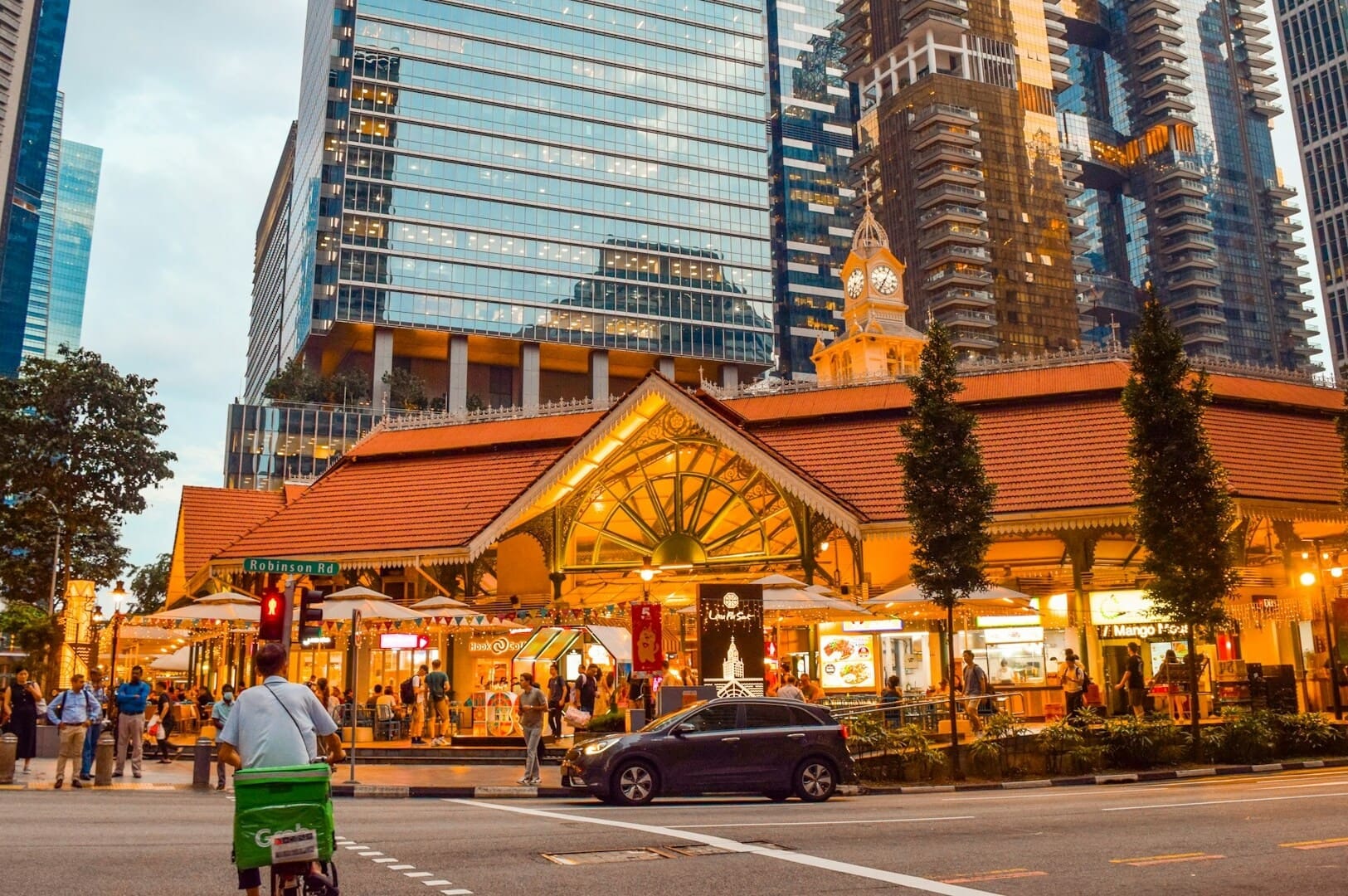
This would not be complete without exploring its vibrant hawker centers in Singapore, which are a must-do for anyone who wants to experience the city’s authentic food culture. Compared to food courts in other countries, Singapore’s hawker centers stand out for their incredible diversity, affordability, and the unique blend of cultures represented in every dish. When you visit Singapore Hawker stalls, make sure to set aside time to discover these culinary gems firsthand.
Exploring authentic hawker centres often involves venturing beyond tourist MRT lines. Bukit Merah View Food Centre is reachable via Redhill Station plus a short walk or bus ride; Tiong Bahru Food Centre is also a great spot, Toa Payoh Lorong 8 is an 8-minute walk from Toa Payoh MRT; Clementi 448 requires a bus from Clementi MRT interchange. Tekka Center in Little India is within walking distance of Little India MRT, offering authentic Indian and local cuisines.
Locals and visitors alike love to hang out at hawker centers, enjoying delicious food and good company in a lively, casual setting. With so many options, you can pick your favorite hawker center or stall to try, making each visit a new adventure. Cash payments remain standard, with most dishes priced between S$2.50 and S$8, though some add-ons may incur an extra cost. Table sharing and tissue packet seat reservations are common during busy times.
Best Satay and Chicken Rice: Popular Hawker Dishes
Singapore’s hawker centers offer beloved dishes with rich histories. Below is an updated list of some iconic dishes, highlighting their key features, typical price range, and where to find them:
- Soya Sauce Chicken Rice
Highlight: Tender chicken glazed in a savory soy-based sauce, served with fragrant rice cooked in chicken broth.
Price: Affordable, typically around S$3–5 per plate.
Where to Buy: Commonly found at hawker centers such as Maxwell Food Centre and Chinatown Complex. - Char Kway Teow
Highlight: Smoky stir-fried flat rice noodles infused with wok hei, combined with Chinese sausage, egg, bean sprouts, and chives.
Price: Usually S$4–6 per plate.
Where to Buy: Available at many hawker centers including Toa Payoh Lorong 8 Market and Old Airport Road Food Centre. - Hainanese Chicken Rice
Highlight: Poached chicken served with fragrant rice, chili sauce, and ginger paste; often regarded as Singapore’s culinary meditation.
Price: Around S$3–6 per serving.
Where to Buy: Famous stalls at Maxwell Food Centre and Tiong Bahru Food Centre. - Satay (at Lau Pa Sat’s Satay Street)
Highlight: Marinated chicken, beef, and mutton skewers grilled over open flames, served with rich peanut sauce and often accompanied by spicy sambal.
Price: Approximately S$0.80–1.50 per skewer.
Where to Buy: Lau Pa Sat Satay Street on Boon Tat Street, especially in the evenings. - Carrot Cake
Highlight: Savory radish cake stir-fried to perfection, available in “white” (plain) or “black” (with sweet soy sauce) versions.
Price: Around S$3–5 per plate.
Where to Buy: Popular at Clementi 448 Market and Ghim Moh Market & Food Centre. - Chili Crab
Highlight: Iconic sweet and spicy seafood dish featuring crab cooked in a rich chili-tomato sauce.
Price: Pricier, usually starting around S$25 per crab.
Where to Buy: Available at hawker centers like Newton Food Centre and seafood restaurants nearby.
These dishes embody the rich culinary heritage of Singapore’s hawker culture, offering a delicious and affordable way to experience the city’s diverse flavors.
Food Adventures to the Hidden Gems of Hawker Centres
Singapore’s hawker centers are more than just food courts; they are vibrant hubs of local culture and culinary heritage. Beyond the famous spots like Newton Food Centre and Maxwell Food Centre, numerous hidden gems await discovery across the island. These neighborhood hawker centres, often run by dedicated street food vendors, serve authentic, tasty dishes at affordable prices.
Exploring these lesser-known food centres offers a perfect place to experience Singapore’s rich hawker culture away from tourist crowds, savoring local foods in lively, community-focused settings.
Bukit Merah View Market & Food Centre
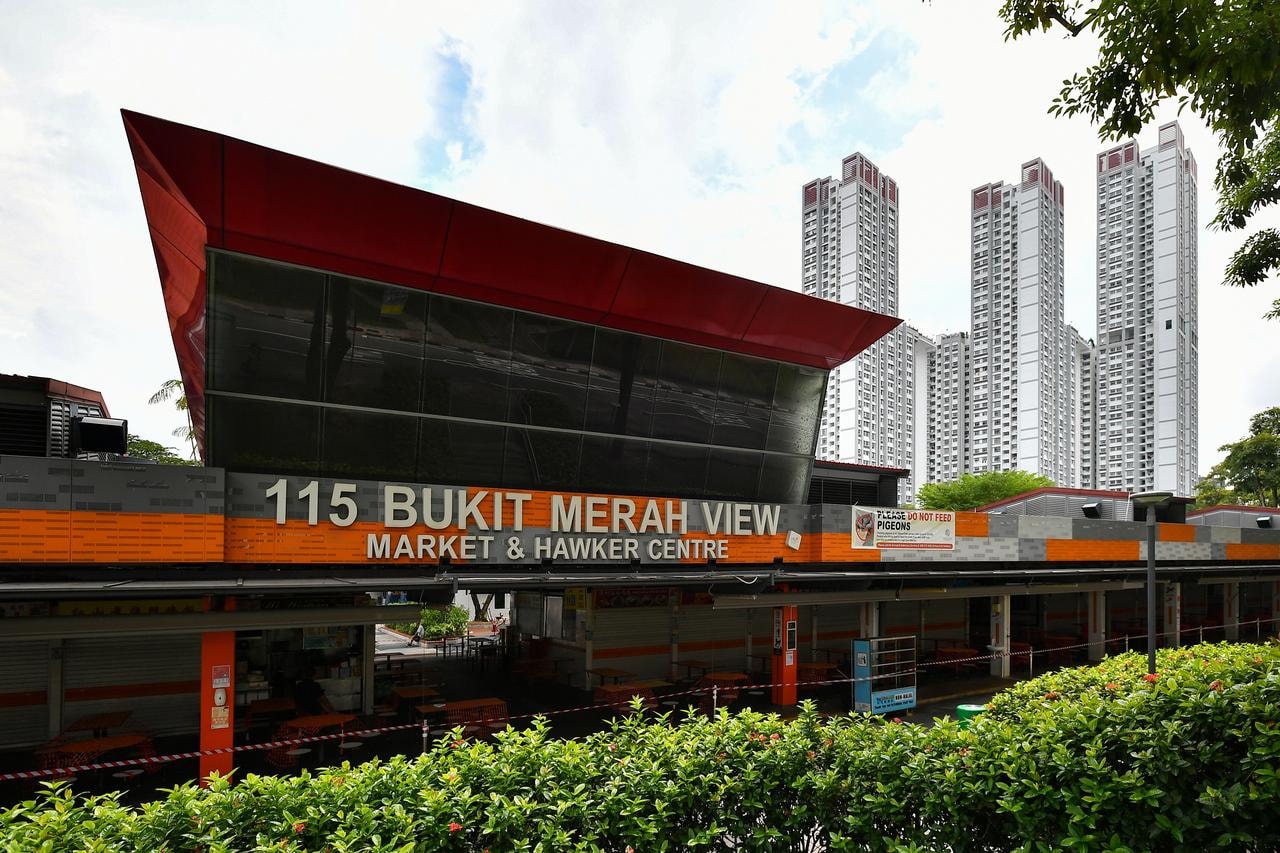
Bukit Merah View Market & Food Centre is a vibrant hawker center blending fresh produce and traditional hawker stalls.
- Highlight: Family-run stalls serving traditional zi char dishes, handmade wontons, and rich coconut milk curry chicken noodles.
- Location: Bukit Merah, easily accessible via nearby public transport.
- Price Point: Affordable meals, with economy chicken rice plates at just S$3.50.
- Famous Stall: Xin Mei Xiang Zi Char, known for its authentic and refined zi char dishes.
Ghim Moh Market & Food Centre: A Hidden Local Gem
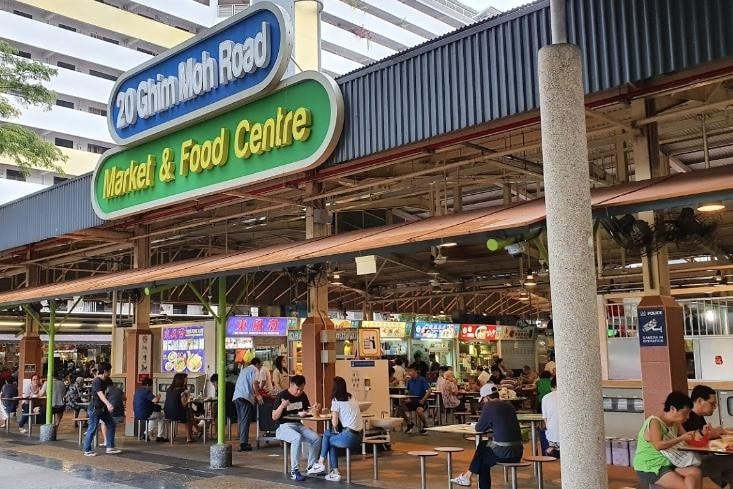
Ghim Moh Market & Food Centre is a favorite among locals for authentic and affordable hawker fare. Highlight: Delicious dishes such as Bak Chor Mee, Hokkien Mee, and economy rice served in a clean, relaxed setting.
- Location: Queenstown, easily accessible via Buona Vista MRT.
- Price Point: Affordable meals cherished by locals.
- Famous Stall: Known for its quality Singaporean street food offerings that attract regular patrons.
Whampoa Makan Place: A Hidden Gem for Authentic Hawker Food
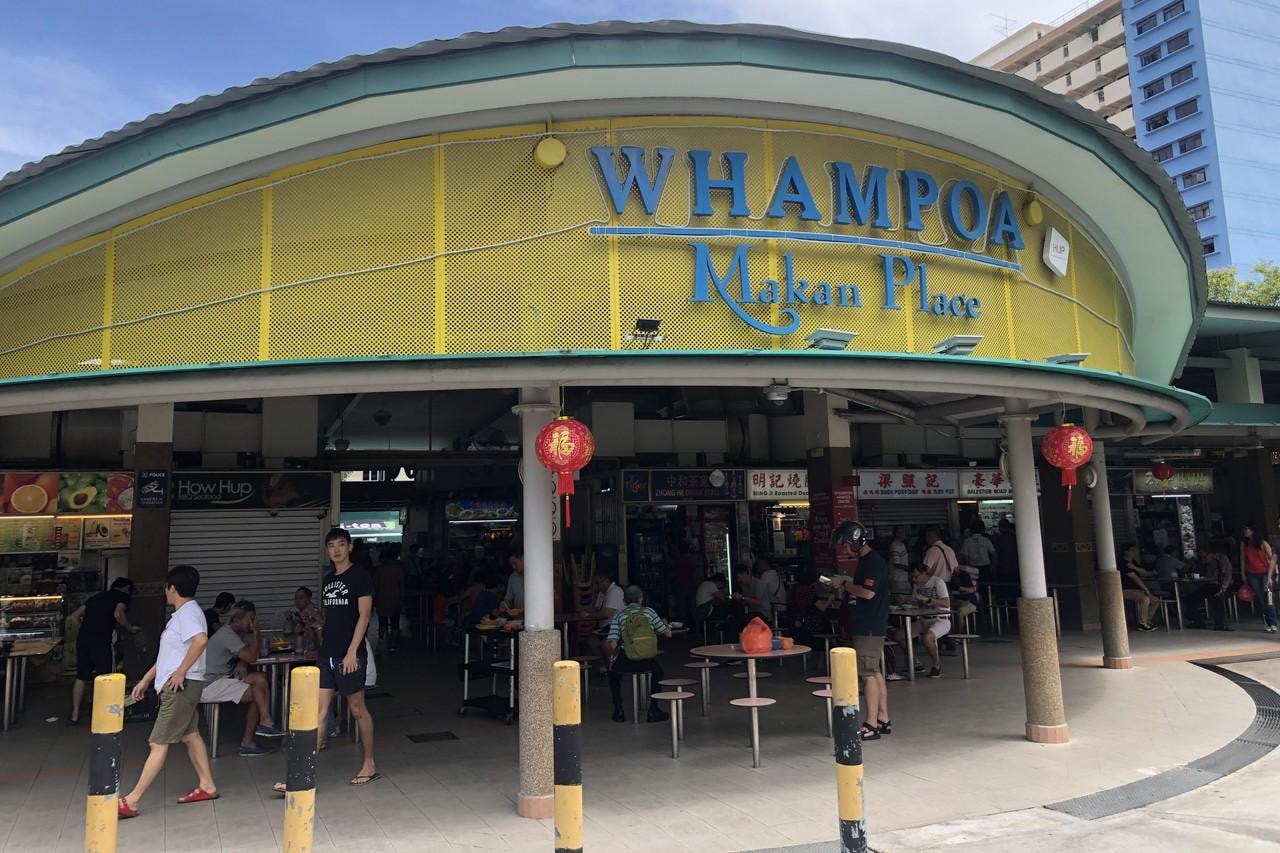
Whampoa Makan Place is a beloved local hawker center known for its authentic flavors and relaxed atmosphere.
- Highlight: Traditional dishes such as Hokkien Mee, Bak Kut Teh (herbal pork rib soup), and flavorful roasted meats.
- Location: Balestier neighborhood, near Balestier Road’s heritage shophouses and markets.
- Price Point: Affordable meals cherished by locals.
- Famous Stall: Renowned for its longstanding family-run stalls preserving genuine Singaporean flavors.
Amoy Street Food Centre
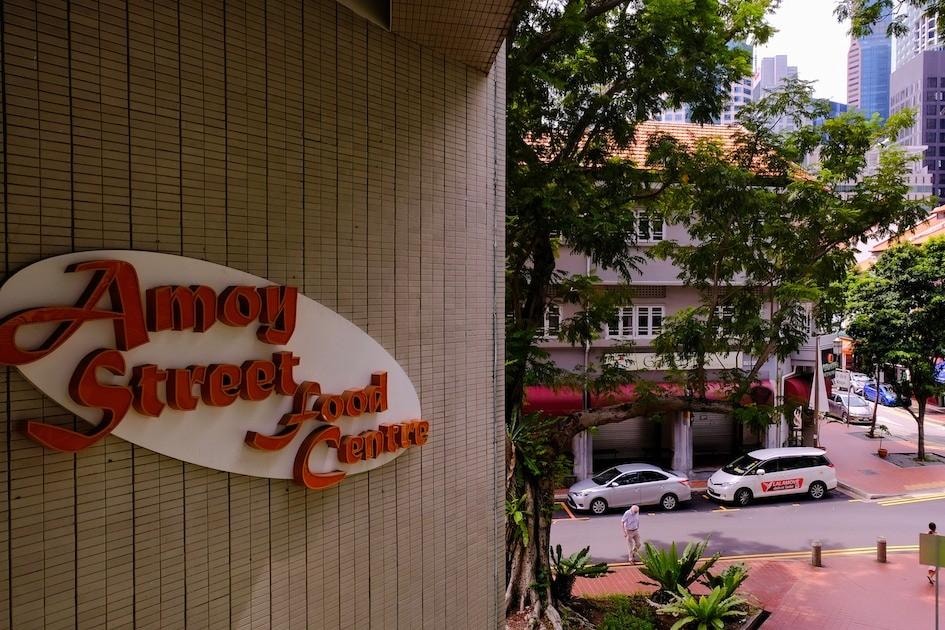
Amoy Street Food Centre is a bustling hawker centre located in Singapore’s Central Business District, popular among business people seeking delicious and affordable meals during lunch hours.
- Highlight: Diverse food stalls serving everything from hearty noodle soups to savory curry puffs.
- Location: Situated in the heart of the CBD, easily accessible by public transport.
- Price Point: Affordable meals catering to the working crowd, with most stalls offering dishes between S$3 and S$8.
- Famous Stall: J2 Famous Crispy Curry Puff, renowned for its flaky pastry and flavorful fillings.
Amoy Street Food Centre is a must-visit for those wanting to taste authentic hawker food in a vibrant yet convenient setting, embodying the dynamic food culture of Singapore’s city state.
Toa Payoh Lorong 8 Market & Hawker Centre
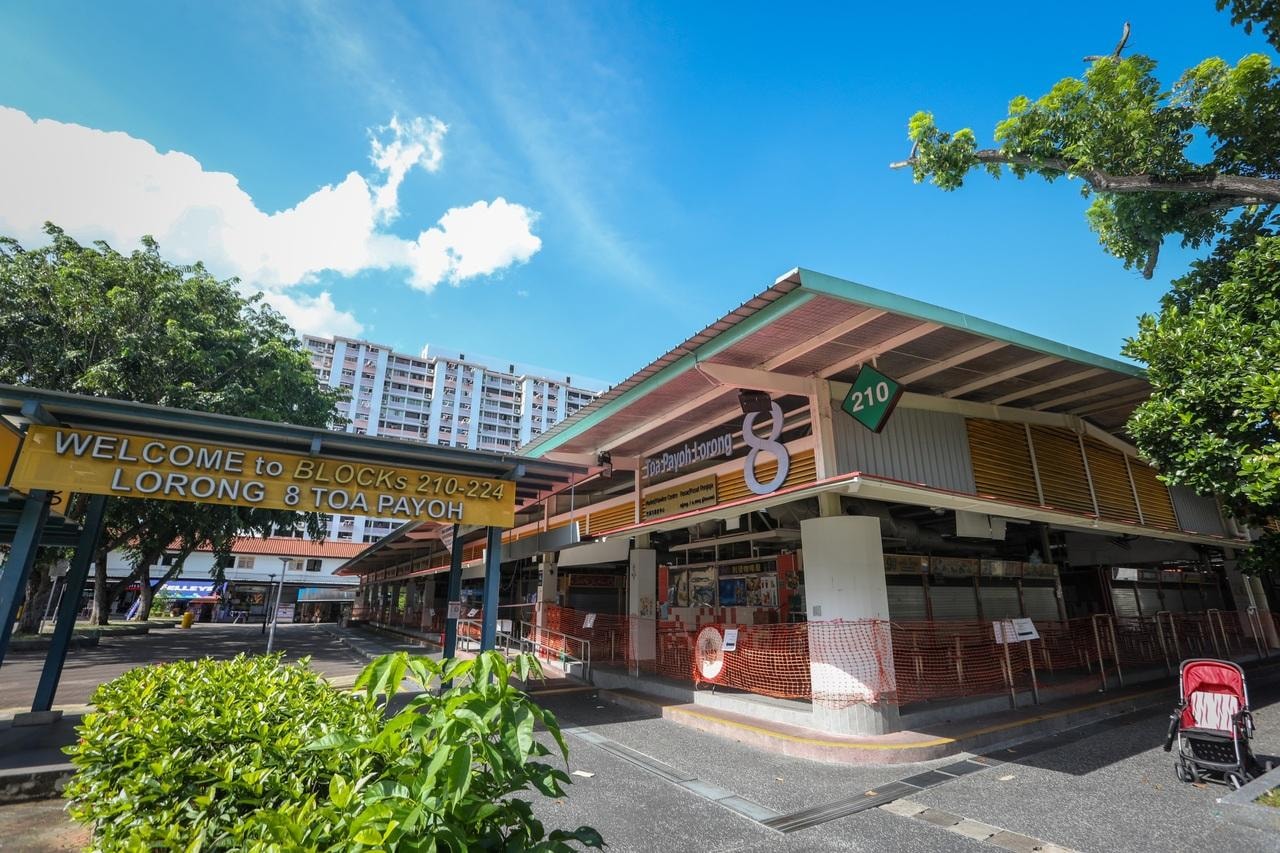
Toa Payoh Lorong 8 Market & Food Centre is a vibrant neighborhood hawker center seamlessly integrated into residential life, offering authentic local flavors at affordable prices.
- Highlight: Kim Keat Hokkien Mee cooked over charcoal for a distinctive wok hei flavor.
- Location: Toa Payoh, connected to nearby HDB blocks with covered walkways; close to Toa Payoh MRT.
- Price Point: Affordable meals popular among locals, especially during lunchtime.
- Famous Stall: Kim Keat Hokkien Mee, renowned for its traditional preparation and smoky taste.
Clementi 448 Market & Hawker Centre: The Home of Delicious Carrot Cakes
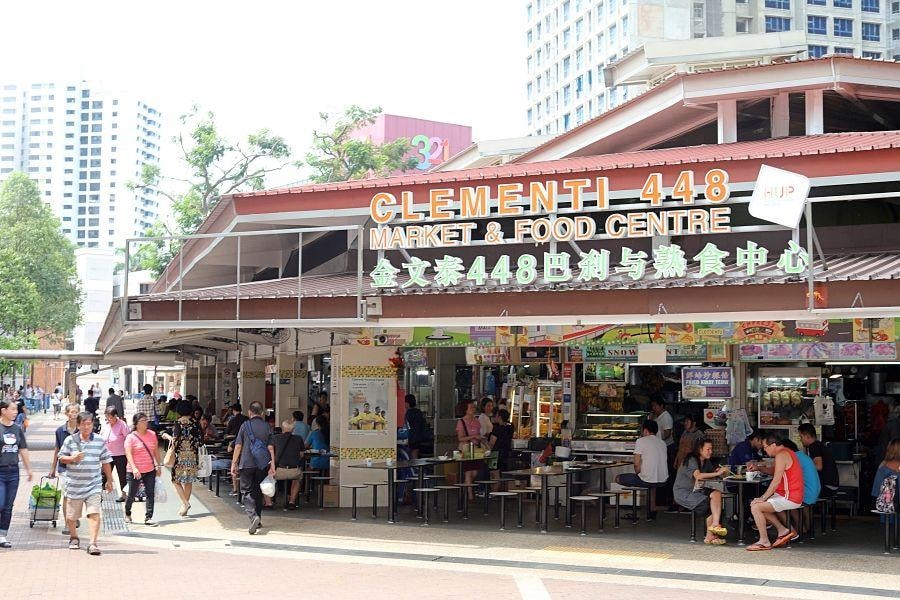
Clementi 448 Market & Hawker Centre offers a modern yet authentic hawker experience with diverse flavors and affordable prices.
- Highlight: Fusion of traditional and modern hawker dishes, including the unique Thunder Tea Rice.
- Location: Clementi, near the National University of Singapore.
- Price Point: Affordable meals suitable for students and locals.
- Famous Stall: Yong Xiang Carrot Cake, known for blending the traditional white carrot cake with the sweeter black version.
Hidden Hawker Foods: Singapore’s Best-Kept Culinary Secrets
Beyond the well-known dishes like Hainanese chicken rice, char kway teow, and satay, Singapore’s hawker centers are treasure troves of hidden hawker foods waiting to be discovered. These lesser-known delights offer a unique taste of the city’s rich hawker culture and are often found tucked away in neighborhood food courts across the island, including gems near Tanjong Pagar and Bukit Merah.
Singapore’s hawker centers also feature unique desserts like sweet red bean soup and peanut-filled mochi, perfect for ending a meal on a sweet note. For adventurous eaters, dishes such as thunder tea rice, a healthy herbal rice bowl popular in some hawker centers, offer a refreshing alternative to the usual fare. These hidden gems are often served alongside the bustling activity of nearby wet markets, showcasing the vibrant street food vendors’ dedication to authentic local flavors.
These hidden hawker foods embody the essence of Singapore’s intangible cultural heritage, showcasing the diversity and depth of flavors crafted by seasoned street food vendors. Sampling these lesser-known dishes provides a perfect place to deepen your appreciation of Singapore’s culinary landscape during your next trip to the city-state. But also don’t miss out on exploring the offerings at the famous vibrant centers as well like Maxwell Food Centre, Amoy Street Food Centre, and the bustling Old Market areas, where local foods and traditional recipes come alive.
Whether you’re seeking savory delights or sweet treats, Singapore’s hawker centers provide a perfect place to taste authentic dishes that reflect the city’s multicultural heritage and vibrant hawker culture.
Why Locals Choose Heartland Hawker Centers Over Crazy Rich Asian’s Tourist Spots like Newton Food Centre & Chinatown Complex
Neighborhood hawker centres offer better value with lower prices than tourist-heavy spots like Lao Pa Sat or Newton Food Centre. Hawkers often remember customer preferences and provide personalized service. These hidden gems preserve authentic community dining culture defining Singapore’s hawker heritage.
For travelers seeking authentic experiences beyond tourist spots, these hawker centers provide affordable, delicious, and immersive ways to connect with local life. Venture beyond Chinatown Food Street, Lau Pa Sat, and Satay Street to discover Singapore’s street food culture in neighborhoods like Tiong Bahru Food Centre, Tekka Centre in Little India—a vibrant Indian food like biryani and roti prata fills the air. Kampong Glam offers diverse culinary offerings and a lively atmosphere. Traditional desserts like sweet red bean soup provide a perfect meal ending—and Kampong Glam.
Conclusion
In contemplation, one discovers that hawker centres represent Singapore’s most authentic cultural sanctuary—a place where heritage converges with artisanal tradition in profound harmony. These curated spaces, with their exquisite tapestry of ancestral cuisines, masterfully crafted dishes, and serene yet vibrant energy, offer connoisseurs of culture an experience that transcends mere sustenance. Through mindful appreciation of the diverse culinary philosophies present, thoughtful preparation for the sensory journey of these gastronomic sanctuaries, and reverent approach to the traditions encountered, one cultivates a deeply enriching and transformative experience. Whether you seek the path of the discerning epicurean, the cultural pilgrim, or the mindful explorer of new realms, Singapore’s hawker centres provide the perfect threshold for contemplative discovery. Among the carefully selected destinations—Newton Food Centre with its nocturnal refinement, Tekka Centre‘s aromatic heritage, and Maxwell Food Centre‘s timeless craftsmanship—each offers meticulously curated experiences that honor both tradition and personal preference.
Ready to plan your own hawker center adventure? Click here to explore insider travel tips, detailed guides, and mouth-watering food recommendations. Dive deeper into Singapore’s culinary landscape and start your journey to savoring the city’s best-kept food secrets today.