
The air in Chinatown Complex, Singapore’s largest hawker centre also known as Chinatown Complex Market & Food Centre, is thick with a symphony of smells, but one aroma often cuts through the rest—an intoxicating blend of coconut, chili, and fragrant herbs. It’s the scent of Laksa, a dish that is more than just a noodle soup; it’s a vibrant expression of Singapore’s multicultural soul. The aromatic broth, rich and savory, fills the air as vendors ladle the orange-red soup over pristine white noodles, promising a creamy, spicy, and utterly satisfying meal to come. While the sheer variety of Chinatown Complex Food Centre offerings is legendary, the Laksa Chinatown presents is a culinary pilgrimage in itself.
This guide is a deep dive into what makes this iconic dish so special. We will explore its rich Peranakan history, the art behind its preparation, and most importantly, where to find the most authentic and delicious versions within Singapore’s largest hawker centre. This is not a general overview of the food centre, but a focused journey into a single, perfect bowl of Laksa, being one of the famous foods in Chinatown Complex.
What Is Laksa? A Signature at Chinatown Complex Food Centre
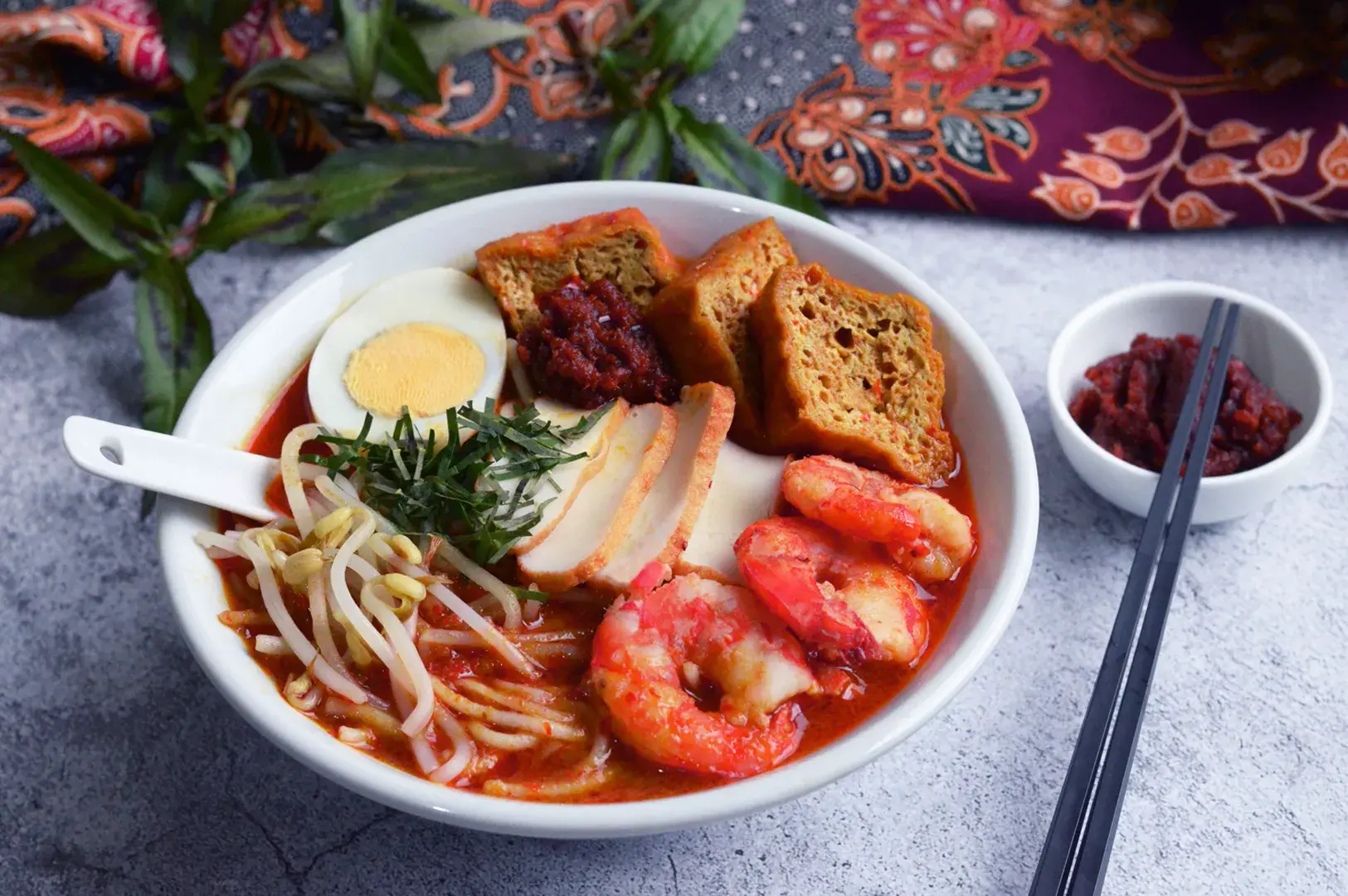
At its heart, Laksa is a spicy noodle soup that perfectly balances creamy, savory, and tangy notes. It’s a cornerstone of Peranakan cuisine, representing a delicious fusion of Chinese and Malay culinary traditions. A bowl of authentic Singapore Laksa is a complex harmony of carefully chosen components.
- The Broth: The soul of the dish is its rich, creamy coconut milk-based curry gravy. It starts with a rempah (spice paste) that is fried until fragrant, then simmered with fresh coconut milk to create a velvety, mildly spicy gravy.
- The Noodles: Thick bee hoon, a type of rice vermicelli, is the traditional choice, blanched until soft but still retaining a pleasant chew.
- The Toppings: A standard bowl is generously adorned with ingredients like succulent prawns, slices of fish cake, tau pok (fried tofu puffs) that soak up the creamy laksa gravy beautifully, and fresh cockles. Bean sprouts add a crisp freshness, while a hard boiled egg or boiled egg slices are classic additions. Some stalls also include preserved radish for an old school taste.
- The Garnish: A sprinkle of finely chopped Vietnamese coriander, known locally as laksa leaves or daun kesom, adds a distinctive, herbaceous aroma essential to the dish. A dollop of sambal belacan on the side allows you to customize the heat level.
You might also find crushed peanuts used in other hawker centre dishes like popiah, adding a nutty flavor and texture, illustrating the diverse toppings across Singaporean cuisine.
Two main styles prevail: the traditional laksa with long noodles requiring chopsticks and a spoon, and the Katong-style laksa, where noodles are cut short and the entire dish can be eaten with just a spoon.
The Rich History of Laksa Chinatown and Its Place in Chinatown Complex Market
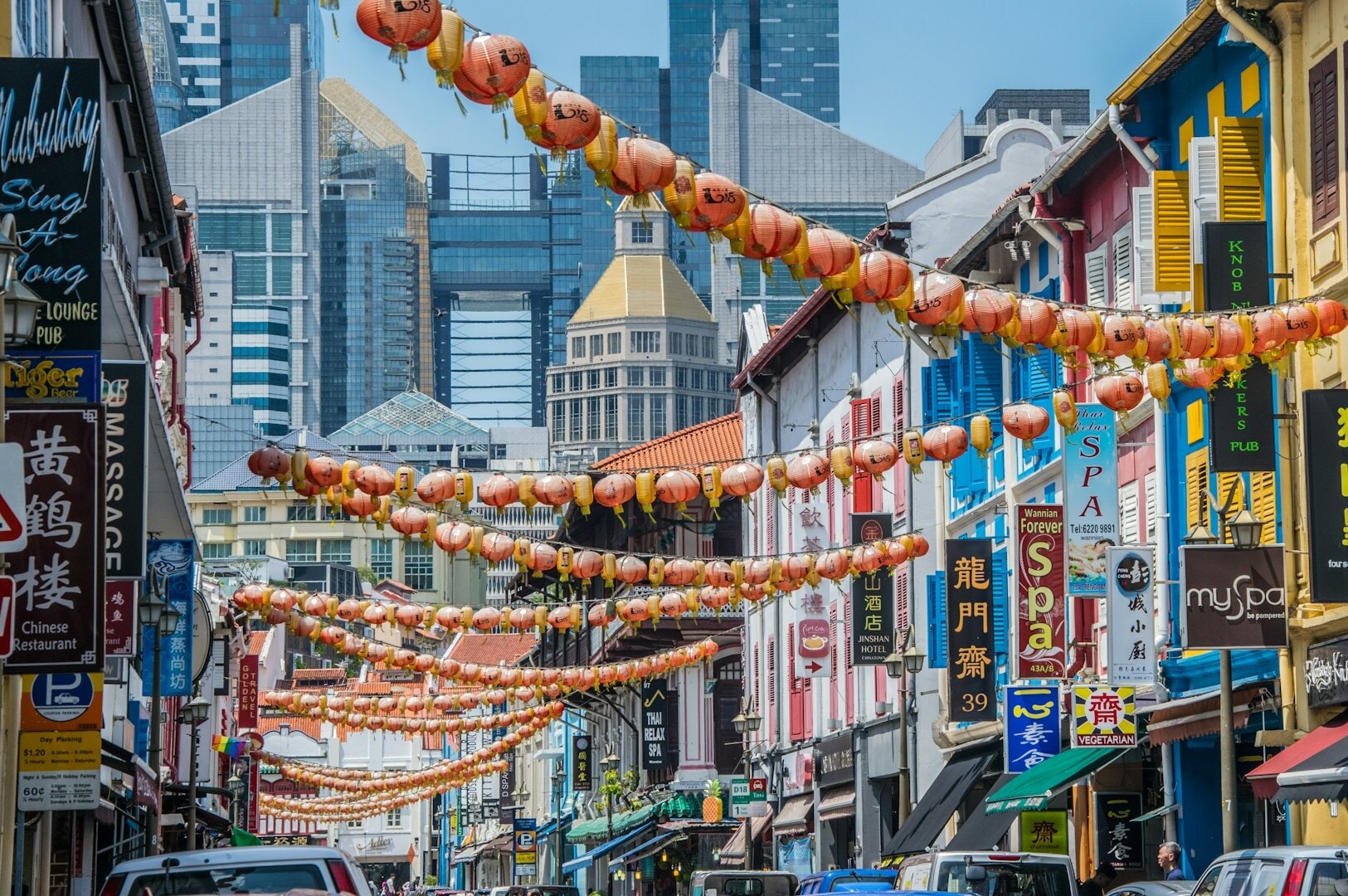
Laksa’s story is deeply intertwined with the history of the Straits Settlements. It originated within Peranakan (Straits-born Chinese) communities in the early 20th century, a beautiful marriage of Chinese noodle soup traditions and the rich spices of the Malay archipelago. This culinary masterpiece is a symbol of Singapore’s multicultural identity, combining Chinese ingredients with Malay and Indian spices.
As Singapore urbanized, Laksa transitioned from home kitchens to the bustling food stalls of hawker centres. Many chefs started their own hawker business to share cherished family recipes with a wider audience. Chinatown Complex, despite being a predominantly Chinese enclave, became a melting pot where diverse food cultures thrived. Family run stalls like Uncle Ah Teck’s Noodle House became custodians of heritage, passing down recipes and techniques through generations. Many of these recipes are now served at own hawker stall ventures, reflecting the entrepreneurial spirit of Chinatown Complex’s food scene, each adding unique touches to the beloved dish.
Types of Laksa at Chinatown Complex Food Centre
At Chinatown Complex Food Centre, Laksa comes in several beloved variations:
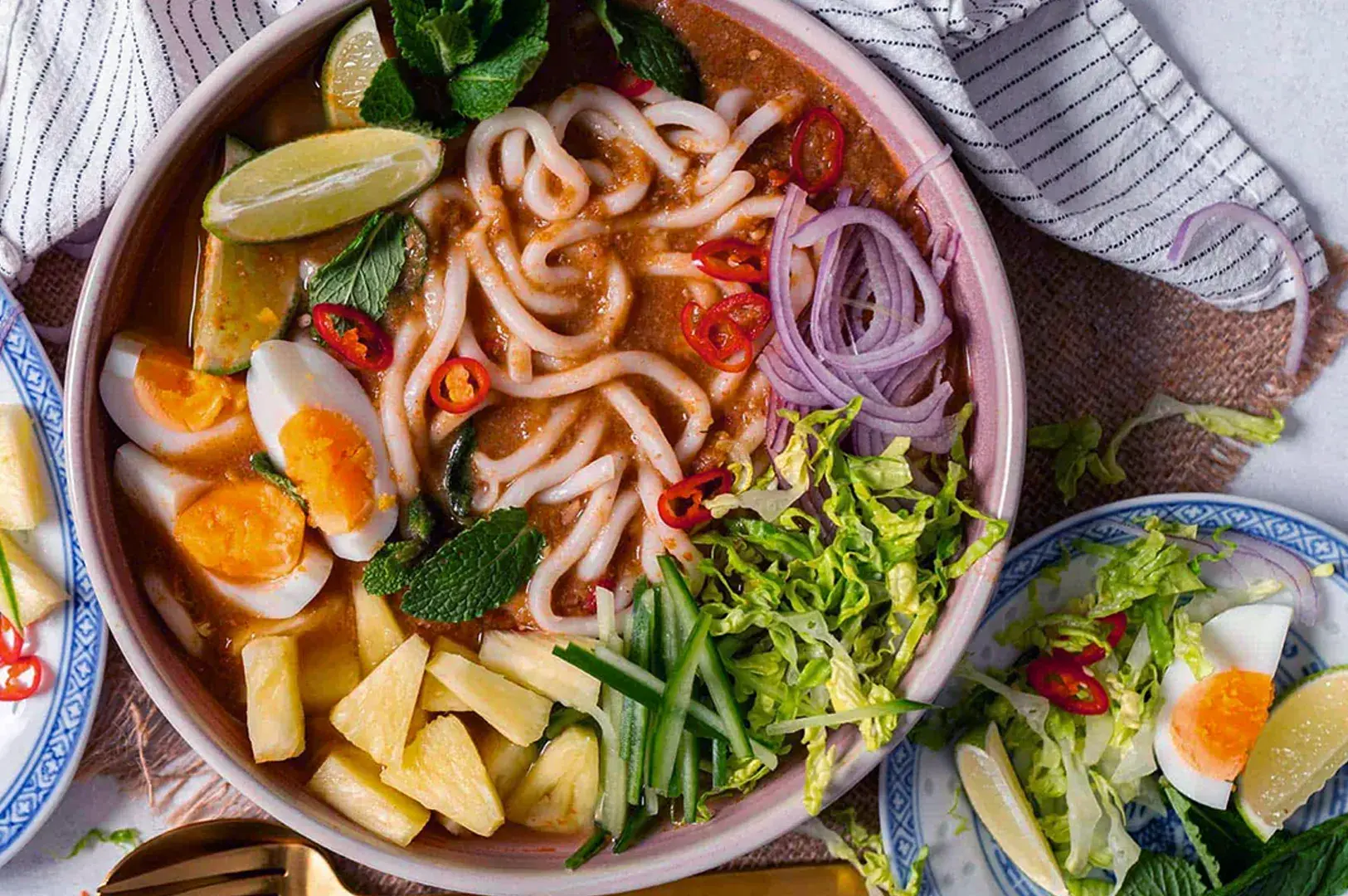
- Traditional Laksa: Features a balanced, umami-rich broth made with fresh coconut milk and aromatic spices, served with thick bee hoon noodles, tau pok, fish cake, and fresh cockles.

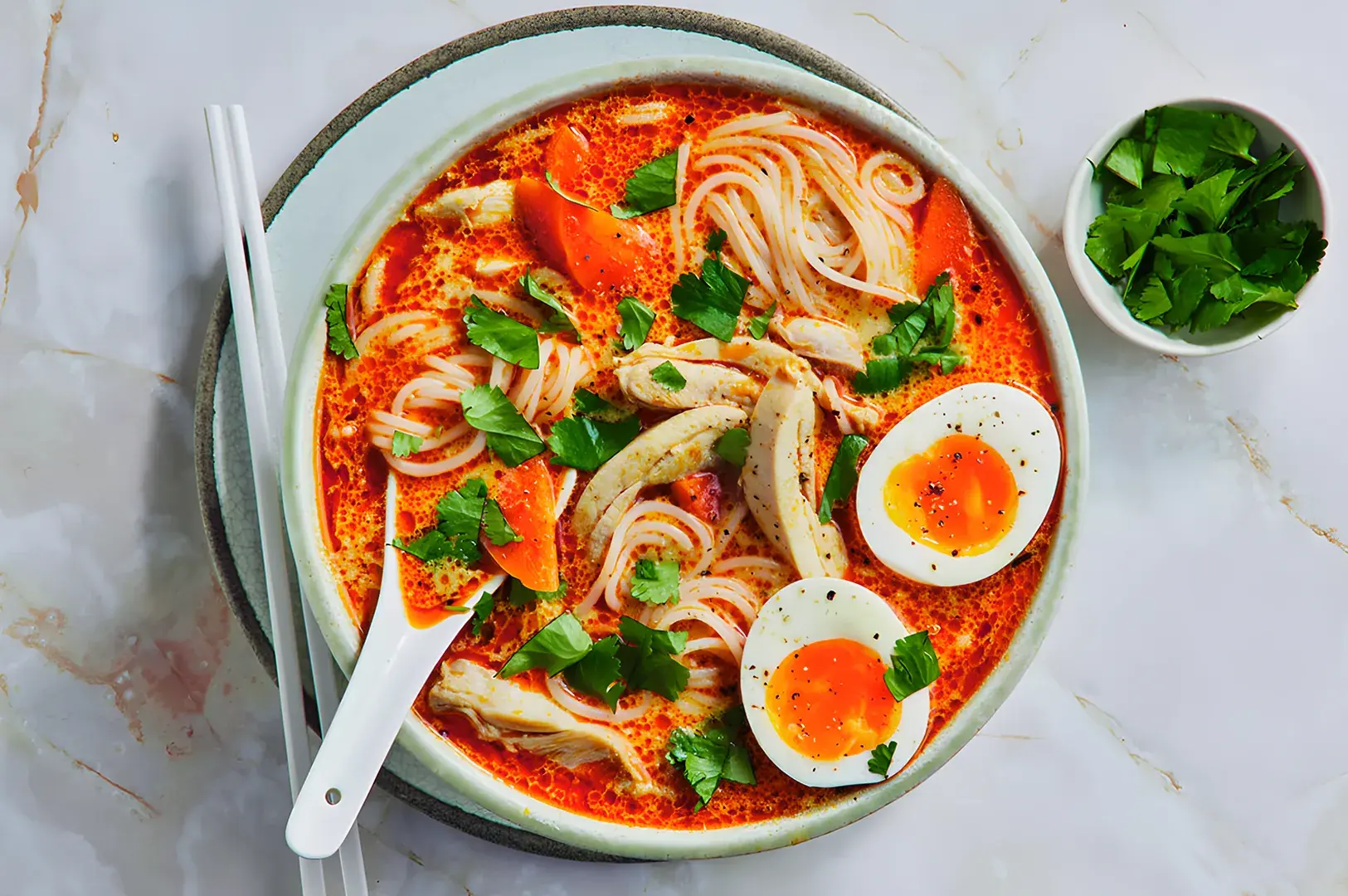
- Chicken Drumstick Laksa: Includes three succulent poached chicken drumsticks that soak up the creamy laksa gravy. Uncle Ah Teck poaches the chicken drumstick laksa with tender meat that melts in your mouth, a signature that delighted hotel guests when he worked at the hotel’s coffee house.
- Sea Prawn Laksa: Comes with two medium-sized butterflied prawns with heads intact, perfect for prawn head lovers who savor the briny, umami-rich juices mingling with the mildly spicy gravy.
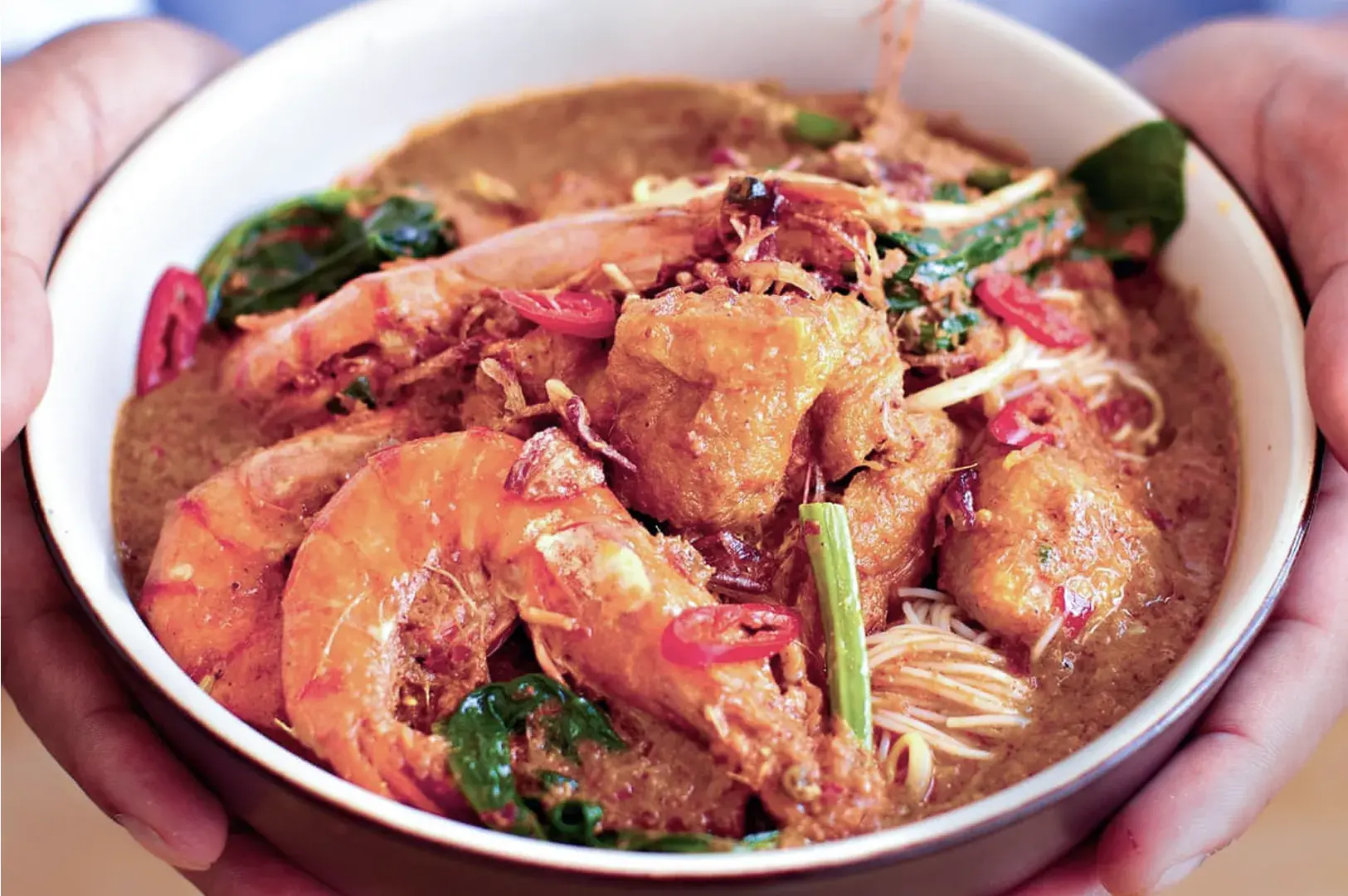
Beyond laksa, the food centre offers other iconic dishes such as duck rice bento, pork belly, beef noodles, and ben ji claypot rice, making it a culinary haven for all palates.
The Art of Making Authentic Laksa with Creamy Coconut Milk
The simplicity of a bowl of Laksa belies the incredible skill and effort that goes into its preparation. Many hawkers start their day at 3 or 4 AM, beginning the laborious process of making the broth from scratch.
It all starts with the rempah, or spice paste. A complex blend of dried shrimp, shallots, garlic, galangal, turmeric, candlenuts, lemongrass, and belacan (fermented shrimp paste) is toasted and ground to a fine paste. This paste is then slowly fried in oil until it is deeply fragrant and the oil separates—a crucial step known as pecah minyak.
Fresh coconut milk is added in stages to prevent curdling, creating a smooth, emulsified broth with a rich, velvety texture. The mixture simmers for hours to allow the flavors to meld and deepen. A touch of tamarind is often added to provide a subtle tang that cuts through the richness of the coconut milk. The result is a broth that is creamy but not heavy, spicy but not overpowering, and layered with complex, aromatic notes.
To complete the dish, it takes a practiced hand to cook noodles to the perfect texture, ensuring they absorb the flavors of the broth without becoming soggy. The rich gravy beautifully coats the noodles and toppings, enhancing every bite.
Best Laksa Stalls and Food Stalls at Chinatown Complex Food Centre
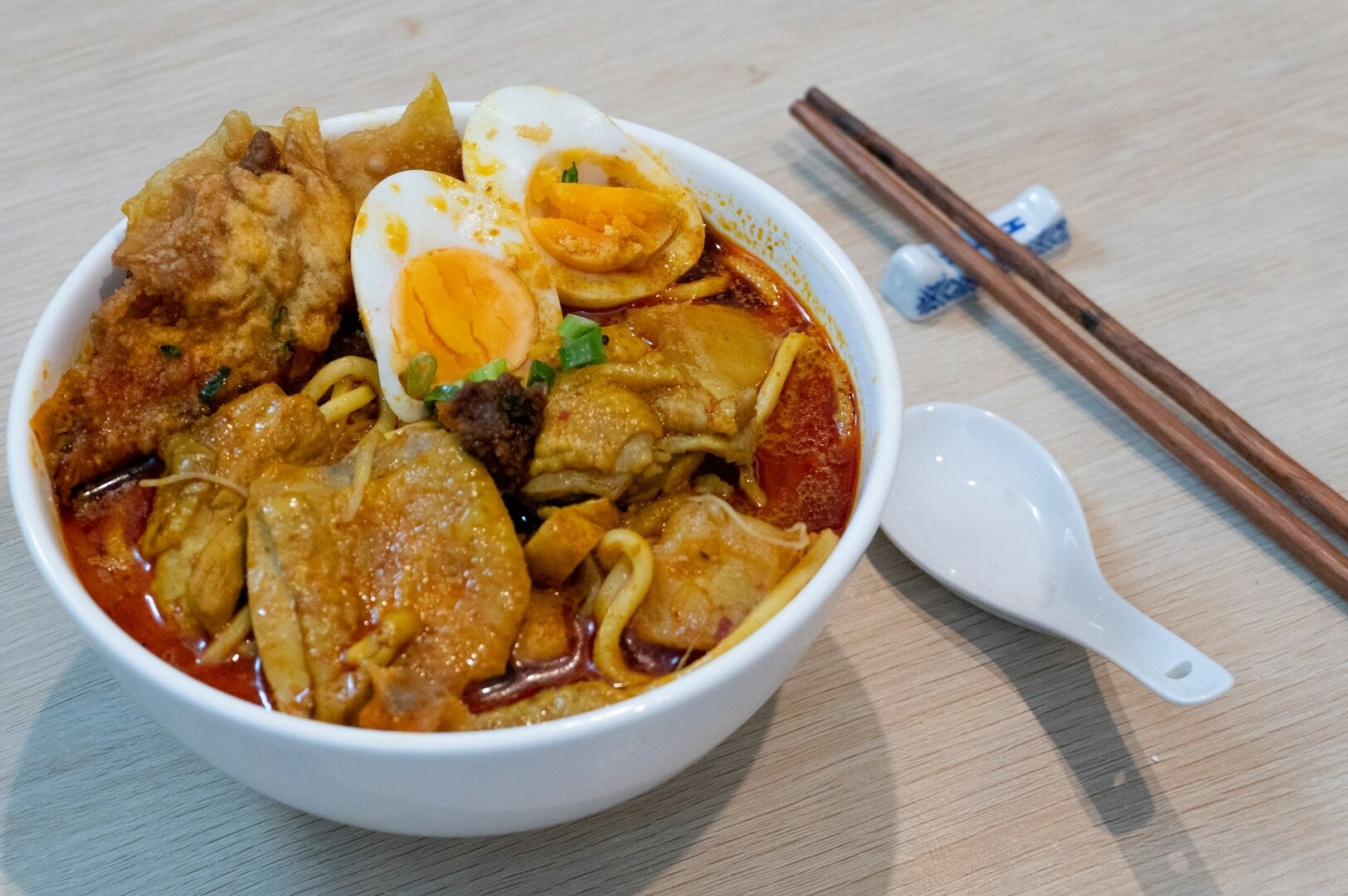
While there is a dazzling array of food stalls at Chinatown Complex, this hawker centre is a prime destination for laksa enthusiasts. Each Chinatown stall offers its own unique take on laksa, contributing to the area’s reputation as a must-visit spot for this beloved dish. Here are a few stalls where you can find an exceptional bowl of Laksa Chinatown:
Uncle Ah Teck’s Noodle House: From Former Hilton Hotel Chef to Hawker Business
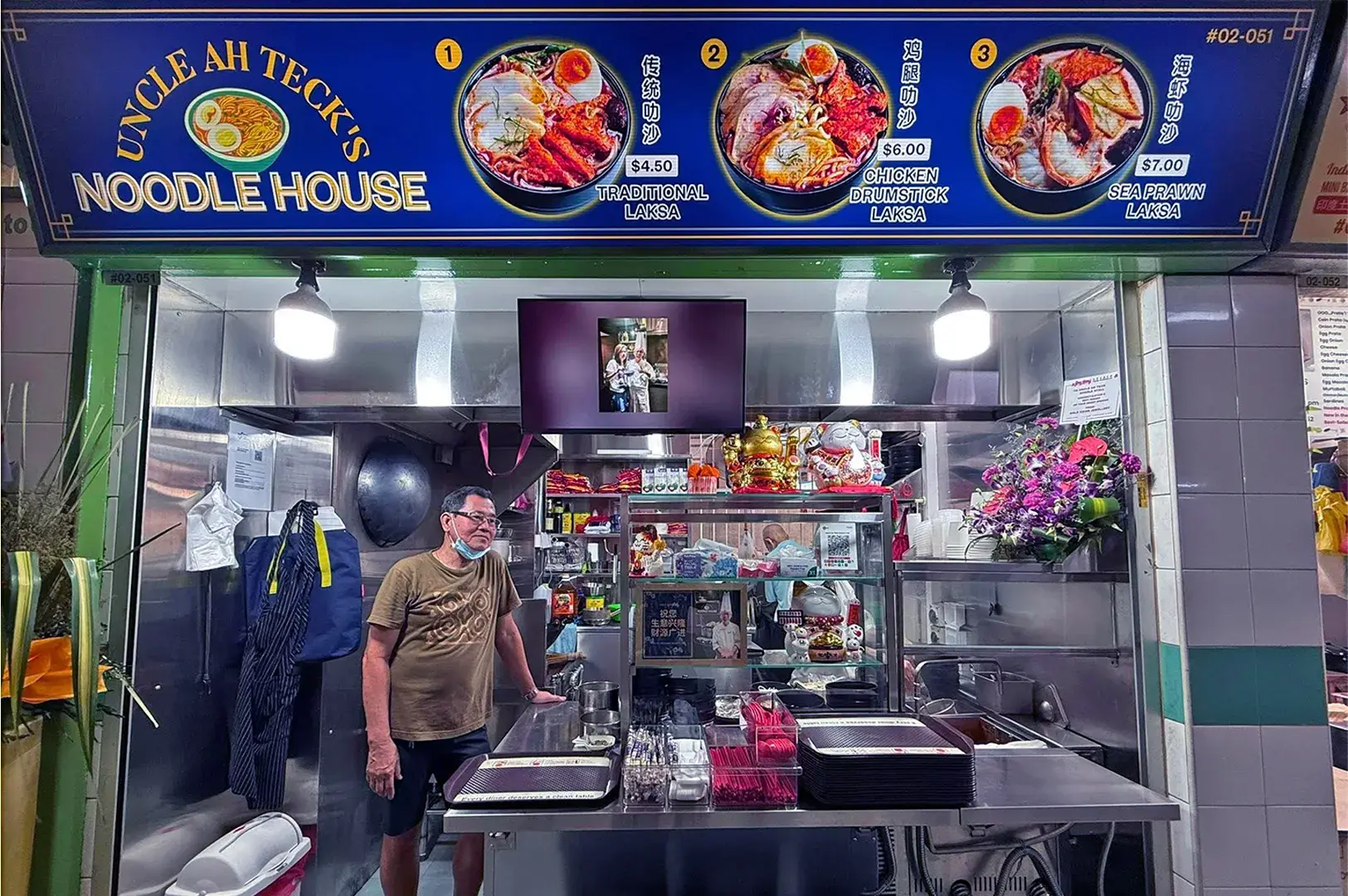
Tan Kim Teck, better known as Uncle Ah Teck, is a renowned hotel chef who spent over 40 years at the former Hilton Hotel, now known as Voco Orchard. At the hotel’s coffee house, he ran the noodle station and became famous for his laksa, prawn noodles, and lor mee. The hotel management, including the company Hotel Properties Limited owned by Ong Beng Seng, honoured him by naming the noodle station after him—a rare accolade for any chef.
When Uncle Ah Teck left the hotel to start his own hawker stall, he took the name and signboard with him to Chinatown Complex Market. His stall, located in the hawker centre’s green zone, now serves the same laksa that delighted hotel guests for decades.
Uncle Ah Teck’s laksa features traditional laksa tastes with a mildly spicy gravy, thick bee hoon, fish cake, tau pok, fresh cockles, and a boiled egg. His chicken drumstick laksa is especially popular, with succulent poached chicken drumsticks that soak up the creamy laksa gravy beautifully. The broth is enriched with dried shrimp and aromatic broth notes, reflecting his hotel chef expertise.
He Ben Ji Claypot Rice: The Art of Claypot Rice and Ben Ji Claypot Rice
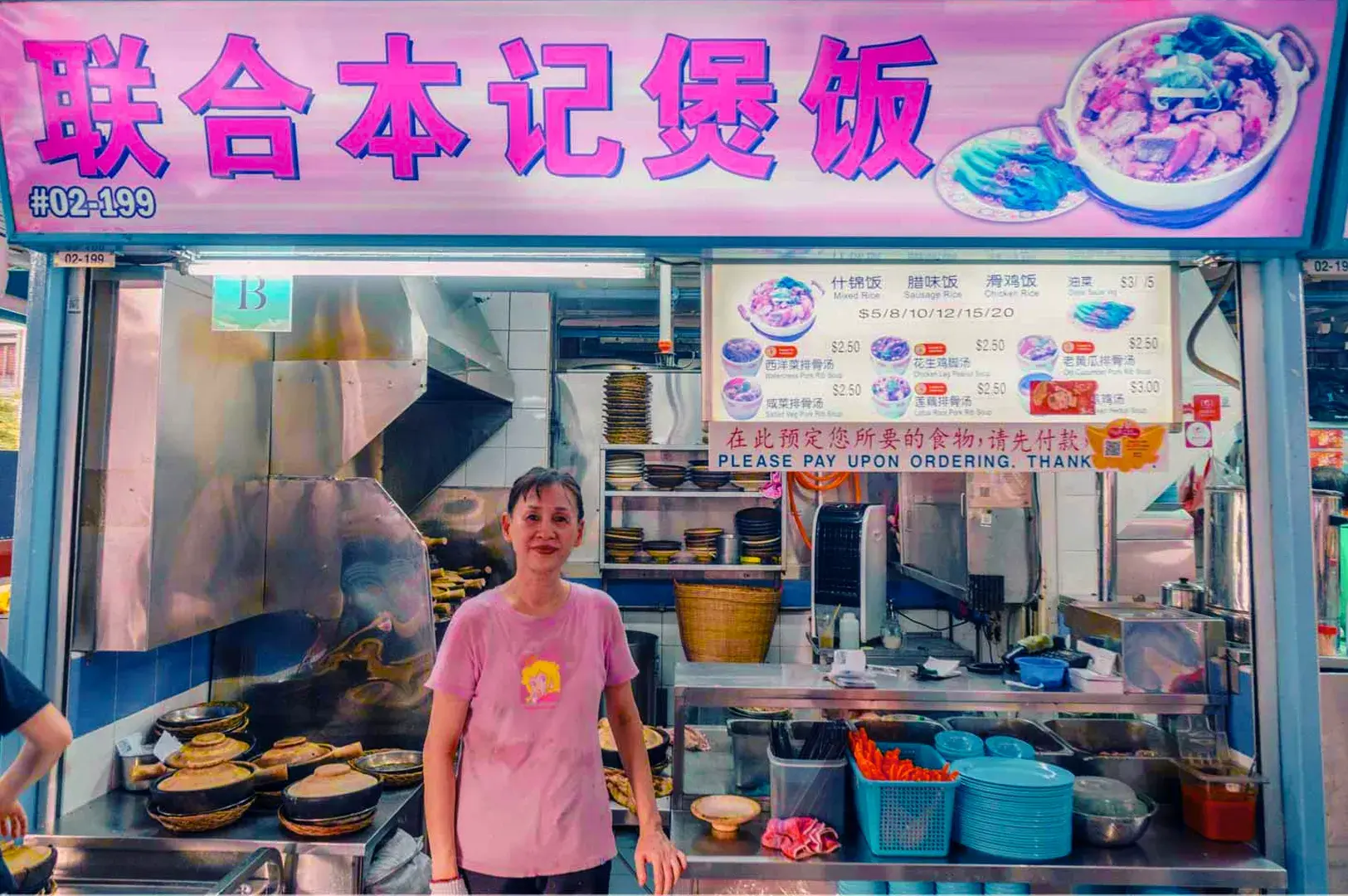
Another highlight of Chinatown Complex Food Centre is He Ben Ji, a family run stall famous for its ben ji claypot rice. This claypot rice features tender meat, Chinese sausage, pork belly, and yam rice cooked to perfection with a crispy crust on the bottom. Served with pickled vegetables, it is a generously portioned meal that epitomizes the comfort food of the hawker centre.
Other Must-Try Hawker Stalls
- Fried Xiao Long Bao and Sheng Jian Bao: These pan-fried and steamed dumplings are a hit at several hawker stalls, offering juicy fillings and a crispy base.
- Braised Duck and Duck Rice Bento: Several stalls serve braised duck with yam rice and pickled vegetables, a hearty and flavorful meal.
- Chee Cheong Fun and Yong Tau Foo: Traditional rice noodle rolls and stuffed tofu dishes are popular choices among locals.
- Zha Jiang Mian and Spicy Noodles: For those craving something with a kick, these noodle dishes offer a rich, savory alternative.
What to Look for in Great Laksa Chinatown
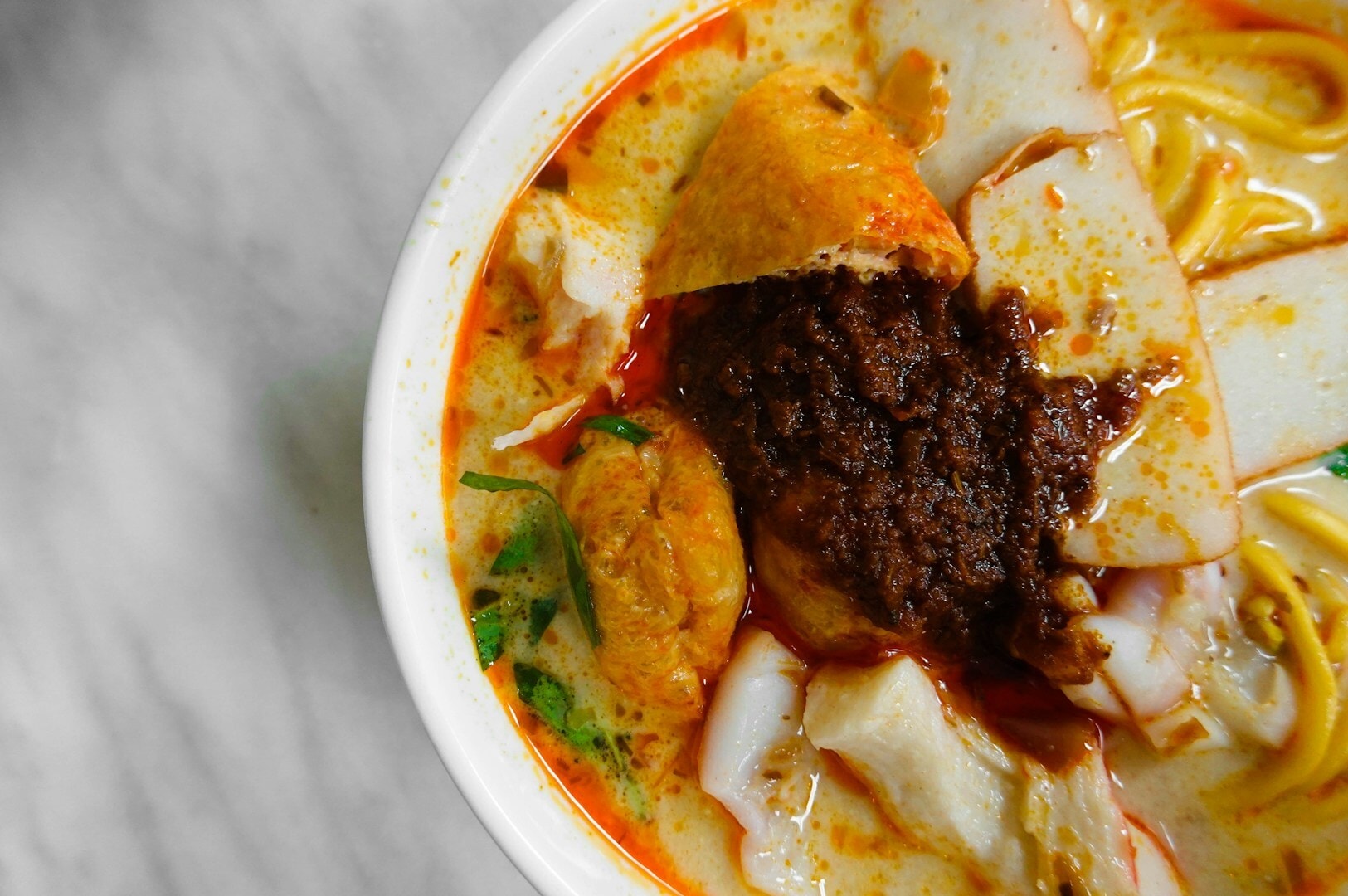
When you’re on the hunt for the perfect bowl, here are a few quality indicators to watch for:
- The Broth: Creamy coconut milk-based and aromatic, with complex layers of dried shrimp, belacan, and spices.
- The Noodles: Thick bee hoon or other rice vermicelli varieties cooked to just the right texture.
- The Ingredients: Fresh prawns, fresh cockles, tau pok, fish cake, and a boiled or hard boiled egg add texture and flavor.
- The Aroma: The fragrance of laksa leaves and toasted spices should be evident before the first sip.
Tips for Enjoying Laksa at Chinatown Complex Food Centre
- Time Your Visit: The lunchtime rush between 12 PM and 1 PM can be intense. Arrive earlier or later to avoid the longest queues.
- How to Order: Most stalls offer different sizes. A small bowl is perfect for a light meal, while a large one is a satisfying feast. Don’t be afraid to customize your order (e.g., “no cockles” or “extra chili”).
- The Eating Technique: Before you begin, stir everything together to mix the sambal and toppings into the broth. Use your spoon to get a bit of everything—noodles, broth, and toppings—in a single, glorious mouthful.
- Find Your Spot: Chinatown Complex is huge. The laksa stalls are generally located on the second floor. Grab a seat before you order, and remember your table number.
Preservation of Hawker Culture at Chinatown Complex Food Centre
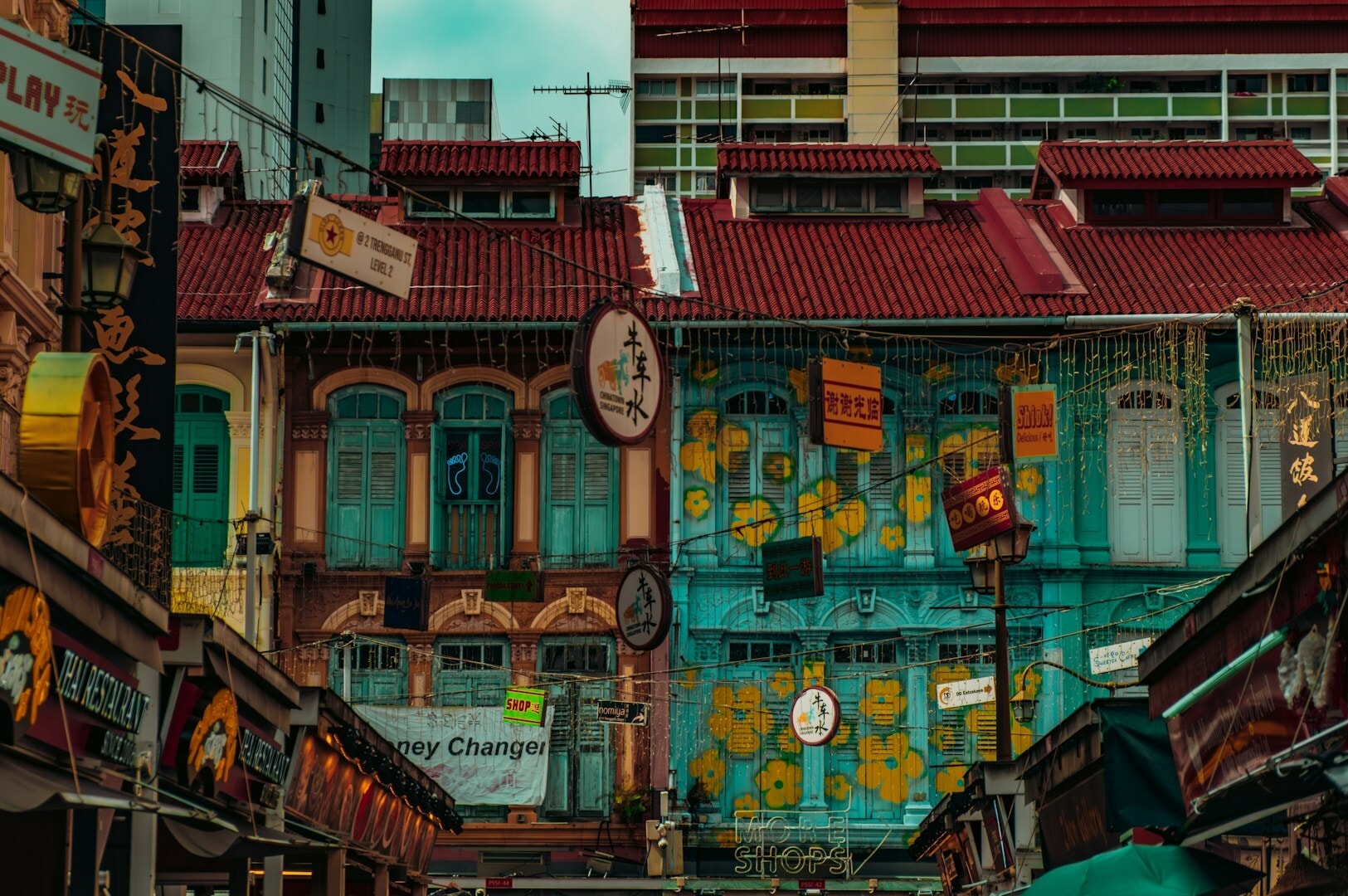
Chinatown Complex Food Centre cultivates more than just food; it nurtures the spirit of hawker culture itself. Family-stewarded establishments like Uncle Ah Teck’s Noodle House embody the craftsmanship that forms the foundation of this sanctuary. These guardians of gastronomic heritage pass down not merely recipes but sacred knowledge—each technique refined through generations, each ingredient carefully curated.
Through curated food festivals, cooking demonstrations, and community gatherings, this sanctuary educates both locals and visitors in the delicate art of preserving Singapore’s most cherished cultural expressions. By choosing to experience the artisanal offerings here, you participate in the gentle preservation of Singapore’s cultural essence.
Conclusion: A Bowl of Laksa Is a Bowl of Heritage
The Laksa Chinatown offers is more than just a meal; it’s a taste of history, culture, and craftsmanship in a bowl. At Chinatown Complex, the preservation of traditional recipes and the sheer variety of styles make it a true paradise for laksa lovers. Each spoonful tells a story of Singapore’s multicultural heritage and the dedication of hawkers who keep these traditions alive.
For a detailed exploration of Chinatown Complex Food Centre’s rich history, its facilities, and a variety of must-try dishes beyond laksa, check out our in-depth guide: Food At Chinatown Complex: Best Must-Try Dishes at Singapore’s Biggest Hawker Centre.
To discover more authentic hawker food experiences across Singapore, visit Singapore Hawkers, your trusted resource for exploring Singapore’s vibrant hawker culture. We invite you to visit, navigate the bustling aisles, and find the bowl of laksa that speaks to your soul.