
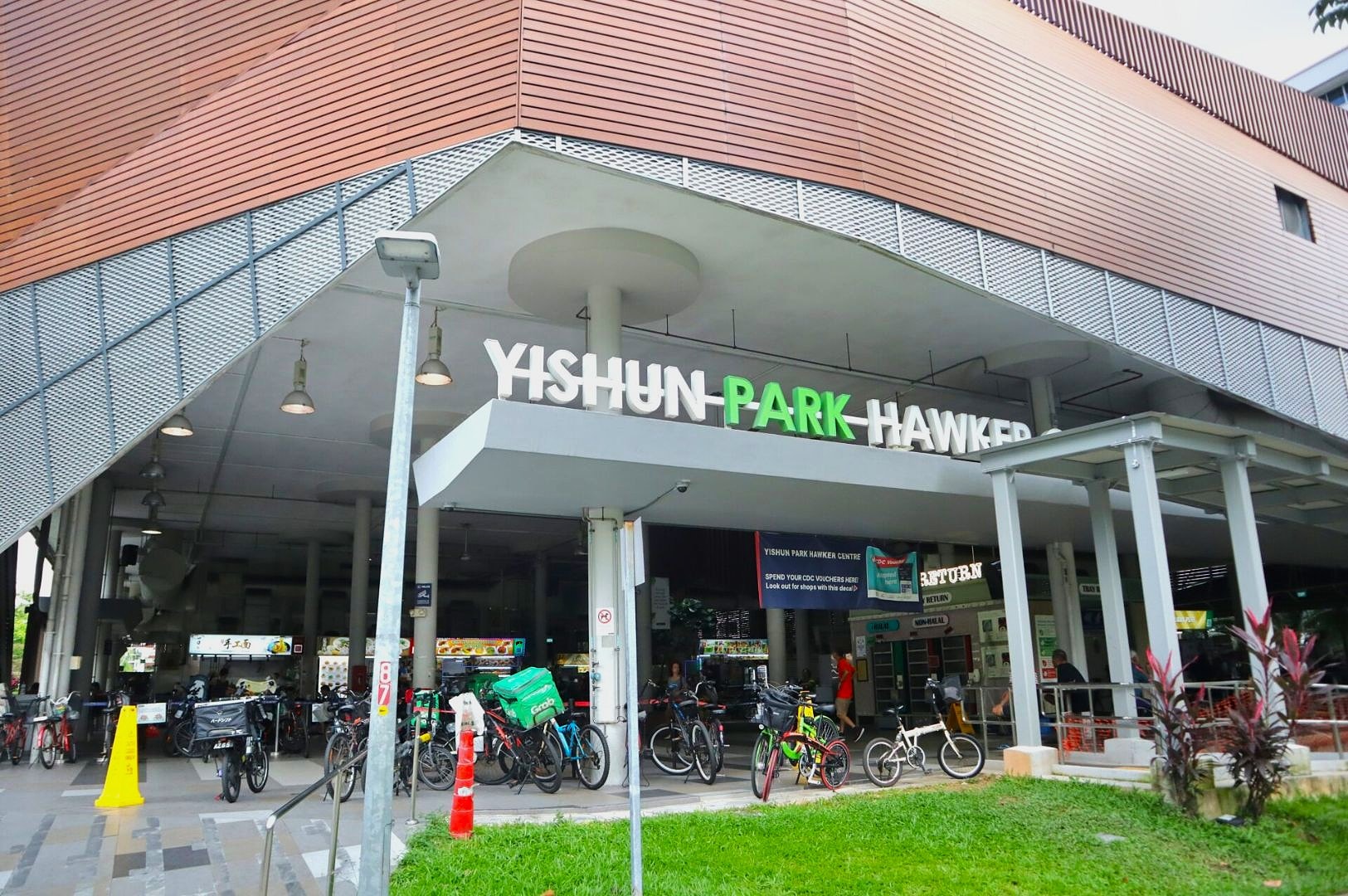
There is a particular kind of quiet that arrives just before night settles in. It is not silence, but a soft loosening of the day. At Yishun Park Hawker Centre, this moment arrives around sunset, when the heat retreats, shadows lengthen, and the urgency of the afternoon slowly dissolves. This is the hour when the hawker centre reveals a different side of itself—not as a place to refuel or rush through, but as a place to pause.
For many, this food centre is part of daily routine. It is where meals are eaten between errands, after work, or before heading home. But at sunset, as you sat at a table watching the day fade, the infamous Yishun Park Hawker becomes something else entirely. It becomes a space where doing nothing feels not only acceptable, but intentional.
A Hawker Centre That Changes With the Day
Most hawker centres feel consistent regardless of the hour. Morning brings breakfast crowds, lunch brings urgency, dinner brings queues. But Yishun Park Hawker Centre, shaped by its open design and proximity to greenery, changes its character as the sun moves.
By late afternoon, the energy begins to soften. Joggers slow their pace as they finish their loops around Yishun Pond. Families arrive without the sharp hunger of lunchtime. Seniors settle in with drinks rather than full meals. Young people, including young hawkerpreneurs eager to establish their food businesses, become part of the diverse crowd. The hawker centre does not empty; it rebalances.
This shift matters. It creates a rare environment where the hawker centre is no longer just a functional space, but an emotional one. The sunset hour feels less transactional. You are not just there to eat—you are there to exist.
Why Sunset Feels Different at Yishun Hawker Centre
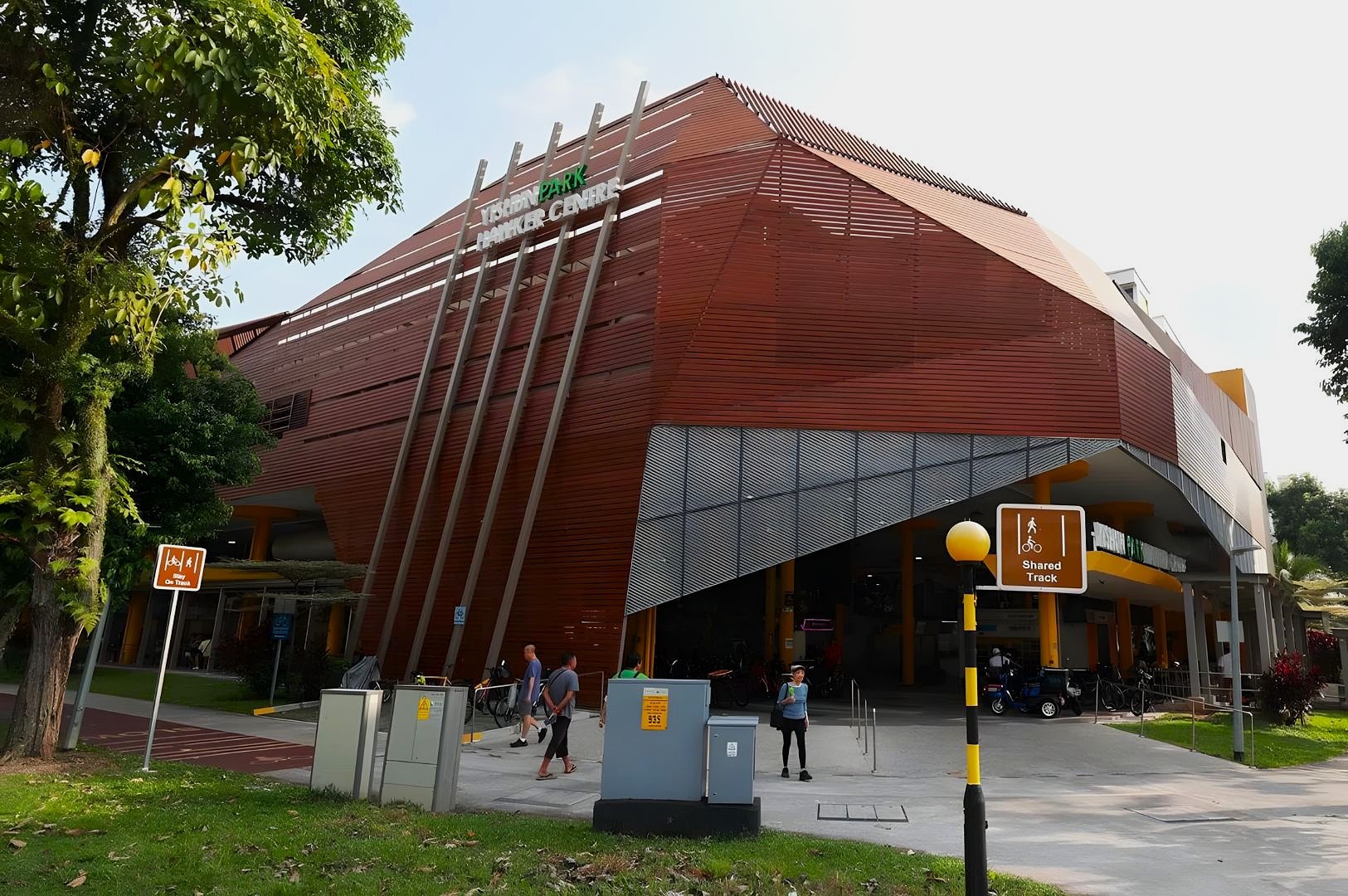
At sunset, the physical environment plays a quiet but powerful role. The open-air layout allows warm light to filter through trees and structures, casting long, gentle shadows across tables and walkways. The breeze picks up just enough to cool the skin. The smell of cooking lingers, but no longer overwhelms.
Unlike enclosed food courts or dense urban hawker centres, Yishun Park Hawker Centre breathes with its surroundings. The park does not end where the hawker centre begins; the two blend into each other. At sunset, that connection becomes most apparent.
You notice how people linger after finishing their meals. Many have enjoyed the relaxed atmosphere at this time of day. How conversations stretch without urgency. How phones stay in pockets longer. The centre becomes a place where time slows without stopping.
Doing Nothing as a Quiet Luxury
In a city that values efficiency, doing nothing can feel uncomfortable. There is often pressure to optimise time, to multitask, to move on once a task—like eating—is complete. Hawker centres are usually spaces of movement: order, eat, clear, leave.
But at sunset in Yishun Park Hawker Centre, that rhythm loosens.
People sit with empty plates. They nurse drinks. They watch the sky darken by degrees. Doing nothing here does not feel lazy; it feels earned. It feels like a small act of resistance against constant motion. Sometimes, you simply savor a bit of stillness or a bit of the sunset, letting each moment linger like a bite of your favourite dish.
This is where the true value of a neighbourhood hawker centre becomes visible. It is not just about feeding people efficiently. It is about offering a shared space where rest is allowed.
The Role of Familiarity
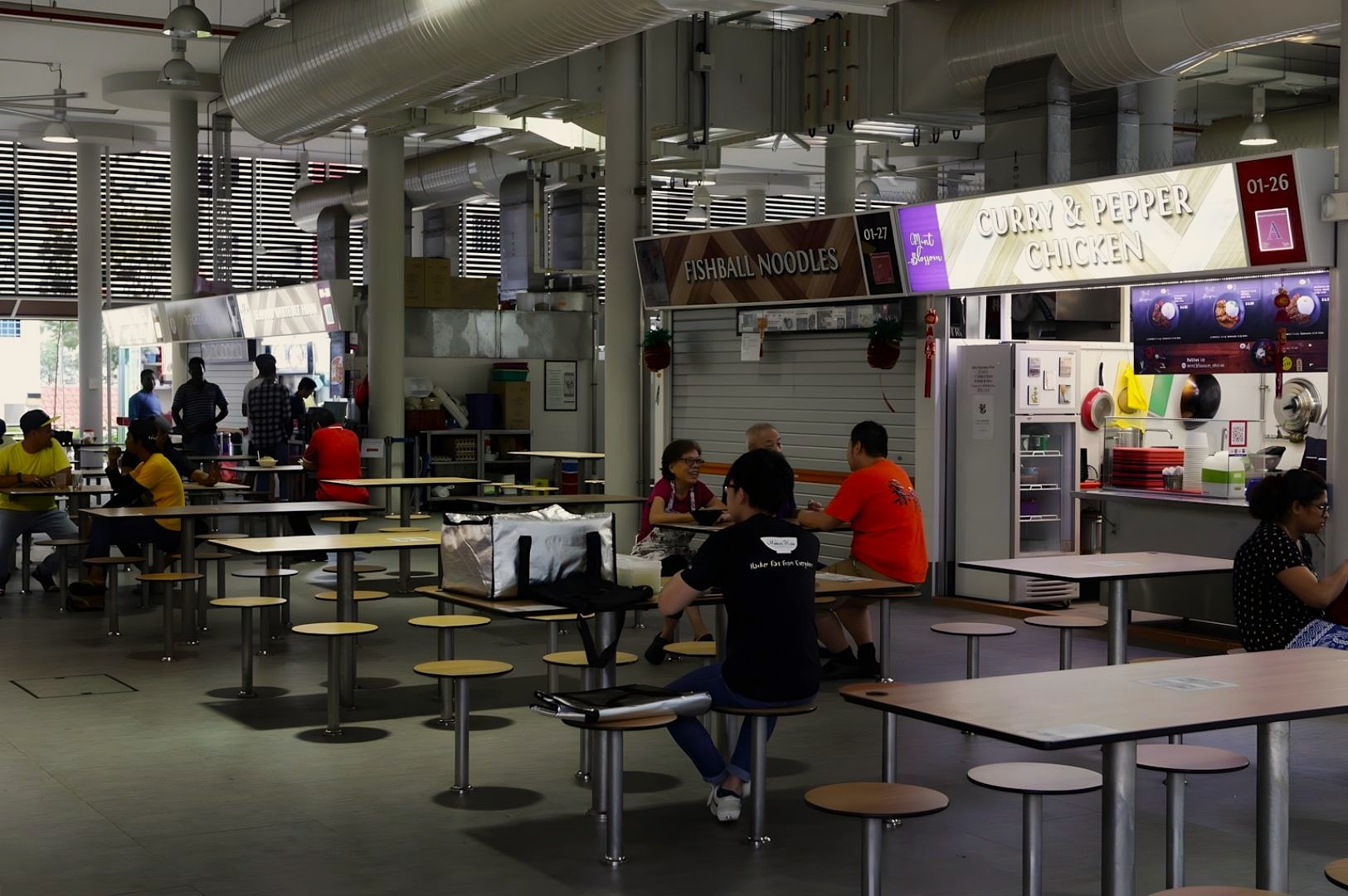
Part of what makes sunset so compelling at this hawker centre is familiarity. Many of the people here are not visitors. They are residents. They have been here before and will be here again. Many regulars have a favorite dish from a hawker who runs their own stall, appreciating the authenticity and personal touch that comes with it.
That familiarity creates comfort. There is no pressure to explore every stall or make the “right” choice. Decisions are instinctive. Meals are habitual. And when the food is familiar, attention shifts elsewhere—to the environment, to the moment, to one’s own thoughts.
At sunset, Yishun hawker centre becomes less about consumption and more about presence.
Food as Background, Not Centre Stage
Interestingly, sunset is when food becomes less dominant in the experience. People eat, of course, but the meal is not always the main event. Sometimes it is a drink. Sometimes it is a light snack. Sometimes it is nothing at all.
Yishun Park Hawker Centre stands out for its incredible diversity, offering a wide range of local Singaporean favorites and international cuisines across 43 stalls. Here, you can find everything from classic nasi lemak and nasi lemak ayam with grilled chicken, rice, vegetables, and egg, to fried chicken, pork belly, and a variety of meat dishes. Noodle lovers can enjoy handmade noodles, fishball noodles with fishcakes and lard, or opt for dry or soup versions. Stalls like Ah Lock Hakka Tofu Bowl (#01-08) serve Hakka tofu rice bowls packed with vegetables and meat, while Ah Tan Wings (#01-40) is famous for its har jeong gai fried chicken cutlet. Fishball Story (#01-27) offers noodles with 100% yellowtail fishballs and fishcakes, and Munchi (#01-43) serves min chiang kueh pancakes with unique fillings like durian. Nasi Lemak Ayam Taliwang (#01-33) features Indonesian-style grilled chicken with fragrant rice and sambal. The centre also features modern amenities such as automatic tray returning stations, a high-ceiling airy layout, and a well-lit, clean environment, making it family-friendly and comfortable for all.
This does not diminish the importance of food. Instead, it places food in its proper context—as part of life, not the entirety of it.
This is what separates Yishun Park Hawker Centre from destination-driven food spaces. It is not about chasing highlights. It is about supporting everyday life, including moments when appetite is secondary to atmosphere.
Hawker Heroes: The Faces Behind the Stalls
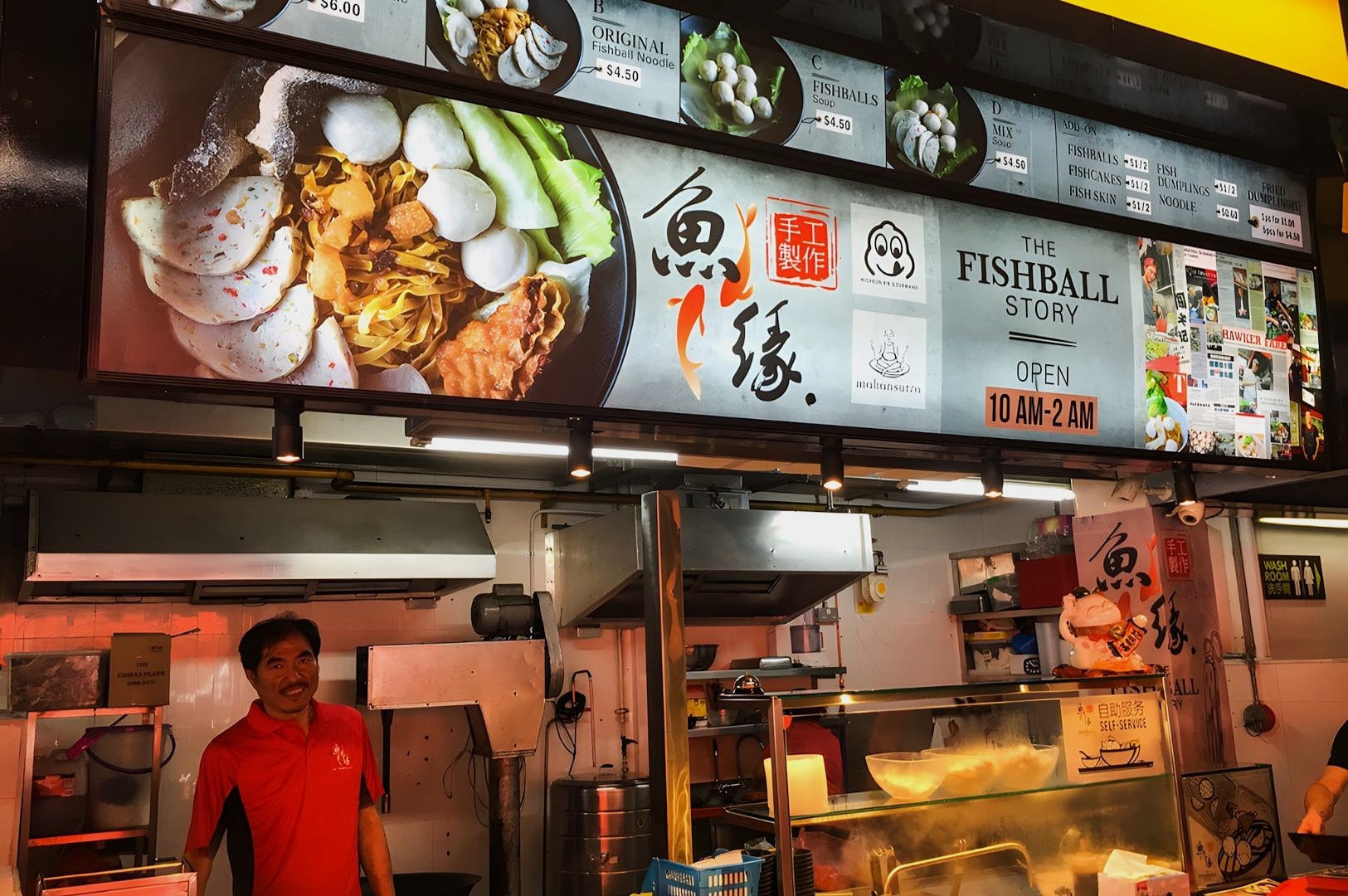
Yishun Park Hawker Centre operates through the contributions of established vendors who maintain consistent standards in their respective food specialties. These operators represent various culinary traditions and preparation methods that form the centre’s regular dining offerings.
Among the centre’s vendors is Ah Lock, which specializes in Hakka tofu preparations. The stall’s lock tofu dish features freshly prepared tofu with traditional preparation methods that incorporate both established techniques and adapted elements. The dish demonstrates the textural characteristics typical of quality hawker tofu preparations.
Fishball Story operates with a focus on ingredient quality, using 100% yellowtail fish in their fishball preparations without flour additives. This approach results in fishballs that maintain the natural sweetness and texture associated with pure fish-based preparations. The stall represents one example of vendors prioritizing ingredient purity in their offerings.
These vendors contribute to the operational framework of Yishun Park Hawker Centre. Their establishments provide consistent dining options for the surrounding residential community and visiting patrons. The centre functions as a community dining facility where established vendors maintain their specialized offerings within the broader hawker centre ecosystem.
A Complement to Its History and Heritage
To understand why sunset feels so right here, it helps to view this experience alongside the hawker centre’s broader story. The development of Yishun Park Hawker Centre reflects a modern approach to hawker culture—one that integrates heritage with lifestyle, tradition with environment.
Many hawkers at Yishun Park Hawker Centre are trained in traditional culinary techniques, helping to preserve the centre’s heritage.
That deeper context is explored in detail in “Yishun Park Hawker Centre: A Neighbourhood Hawker Story”, which looks at how this space came to be and what it represents for the community. This sunset experience does not replace that narrative; it builds on it.
Heritage is not only found in history—it is lived daily, in moments like these, when people return not for novelty but for comfort.
Community Engagement and Events at Dusk
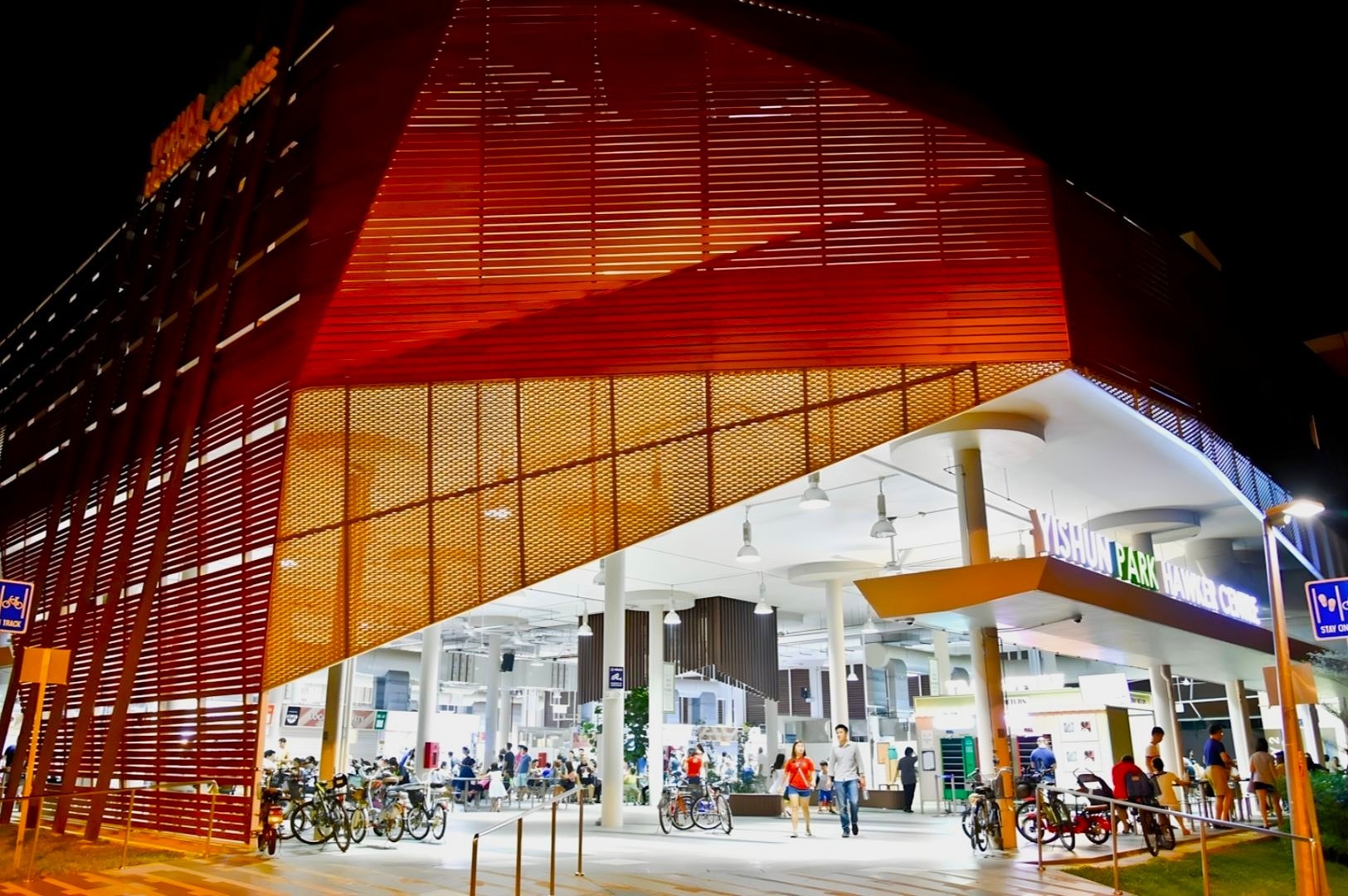
As evening approaches at Yishun Park Hawker Centre, the venue transitions from its quieter daytime operations to serve as a community gathering space. This shift occurs naturally with the changing light, bringing together residents and visitors seeking both sustenance and social connection.
The centre accommodates various community activities designed to encourage extended visits beyond meal times. The tuck shop provides beverages including beer and coffee, while large screens display live sports broadcasts for those who wish to dine and watch. Weekend programming includes live music performances and food festivals that highlight Singapore’s established hawker dishes—ranging from traditional hokkien mee to local preparations such as prawn paste chicken, prepared and served according to standard hawker practices.
Under the operational guidance of the Timbre Group, Yishun Park Hawker Centre functions as both a dining venue and a social destination. The space accommodates various groups, from families and friends to couples, providing an environment where visitors can engage with both the food offerings and the communal atmosphere present at 51 Yishun Avenue 11, Singapore.
For those seeking to experience this particular combination of community dining and evening activity, the hawker centre operates during evening hours when these social elements are most prominent. The venue represents a practical example of how contemporary hawker centres can serve multiple functions within Singapore’s dining landscape, maintaining their primary food service role while accommodating broader community needs.
Why This Matters for Hawker Culture
Hawker centres are often discussed in terms of preservation, affordability, and food quality. These are important conversations. But spaces like Yishun Park Hawker Centre remind us that how people use a hawker centre is just as important as what is sold there.
Sunset sitting shows that hawker centres can be places of rest, reflection, and emotional grounding. Many visitors find themselves more interested in hawker culture after experiencing the unique atmosphere at Yishun Park Hawker Centre. They are not just economic or cultural assets; they are social and psychological ones.
In this way, Yishun Park Hawker quietly expands the definition of what a hawker centre can be.
Tuck Shop: More Than Just Drinks
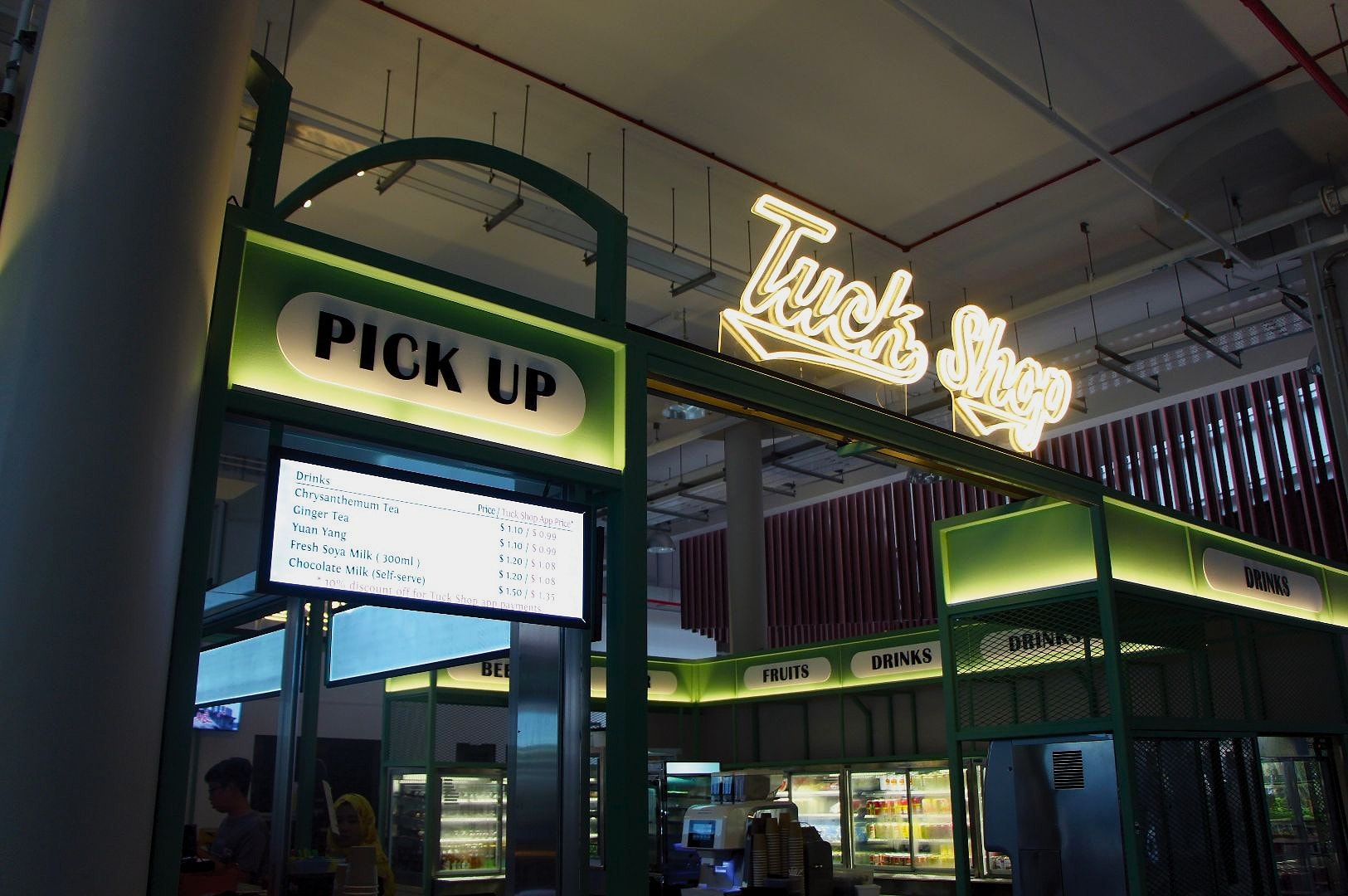
Located within Yishun Park Hawker Centre, Tuck Shop offers a unique blend of traditional and modern beverage options, making it a popular spot for both quick refreshment and socializing. Beyond the usual kopi and teh, Tuck Shop serves cappuccinos, lattes, and even craft beers, catering to diverse tastes and preferences.
Open throughout the day, Tuck Shop complements the hawker centre’s food offerings by providing a comfortable space to unwind, whether catching up with friends over a cold beer or grabbing a quick coffee on the go. Its presence enriches the overall experience at Yishun Park Hawker Centre, making it a true community hub.
A Place to End the Day Gently
As the sky darkens and lights come on, the hawker centre does not abruptly change. It transitions slowly. Some people leave. Others arrive. But those who stay do so intentionally.
There is comfort in ending the day here—not with stimulation, but with stillness. Not with spectacle, but with familiarity. The comfort and quality of the hawker centre experience come at an affordable price, making it accessible to everyone in the community.
In a neighbourhood like Yishun, this matters. It gives residents a shared place to decompress, to observe, to sit without purpose. It reinforces the idea that public spaces should support rest as much as productivity.
An Invitation to Linger
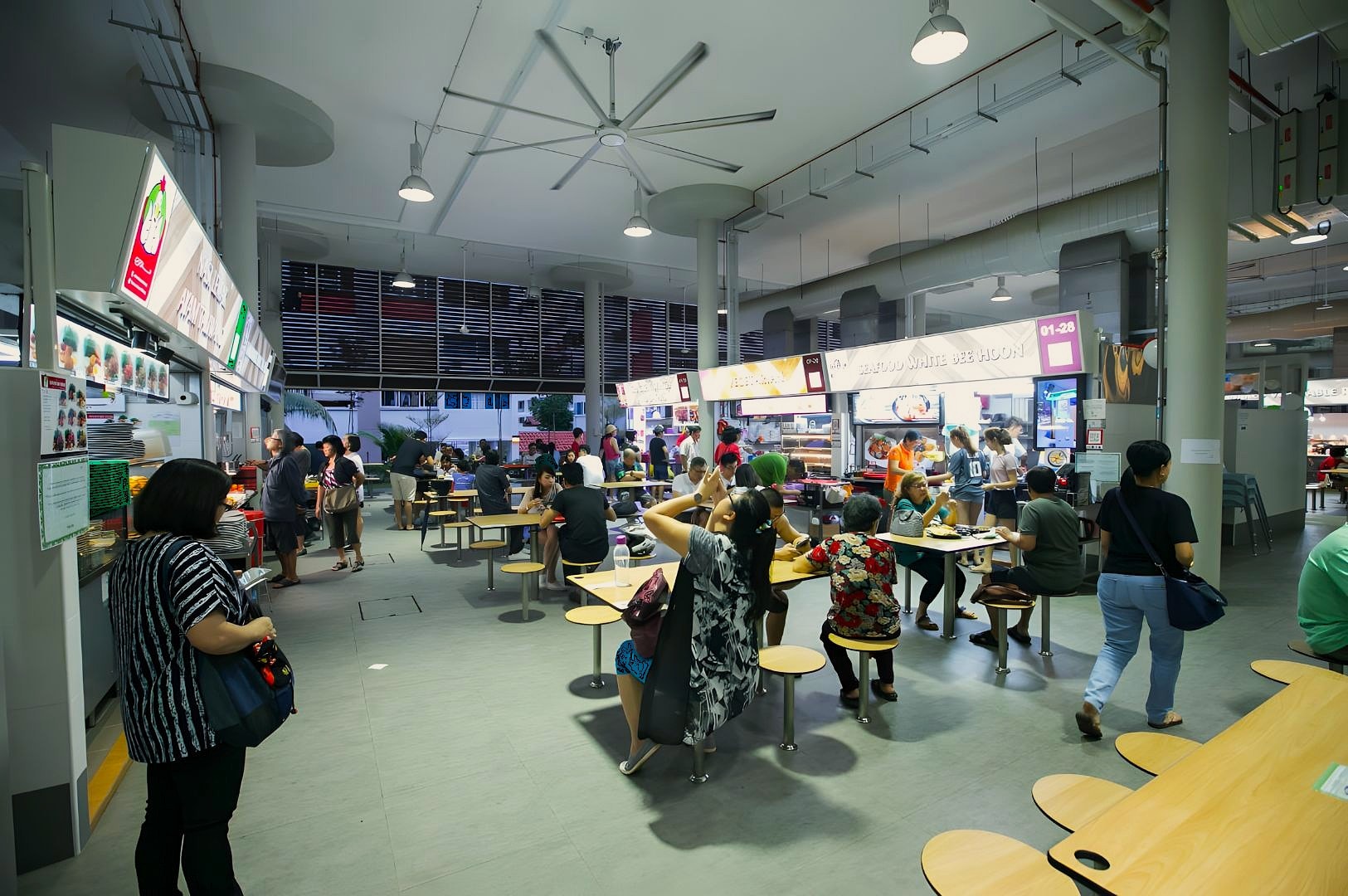
At Singapore Hawkers, we believe hawker centres are not only about food, but about the moments that happen between meals. Sunset at Yishun Park Hawker Centre is one of those moments—unassuming, unhurried, and deeply human. Here, visitors can linger over a variety of beverages, from traditional local drinks to specialty options like cappuccinos.
If you’re curious about how neighbourhood hawker centres shape everyday life in Singapore, take the time to explore more stories on our site. Sit a little longer. Read a little deeper. Click here to view our website and discover why these spaces continue to matter, not just as places to eat, but as places to be.