
Step into any hawker centre in Singapore, and you’re stepping into the heart of Singaporean daily life—where the sizzle of woks, the clatter of plates, and the din of laughter mark a space unlike anywhere else in the world. Picture this: One hawker centre is alive with queues, animated conversations, and grandmas unwrapping tissue packets to “chope” a prized spot. This is the essence of a hawker market: vibrant, bustling, and full of energy, where every stall offers a unique culinary adventure. Just across town, a different centre feels stagnant: shutters half-down, a few lonely diners, and somehow, the food just doesn’t taste the same. What invisible ingredient makes one of these hawker centers the best hawker centre Singapore can boast of, and leaves the other behind as merely adequate?
To me, and many locals, the secret isn’t just the food—though “Good Hawker Food Singapore” is a legend in its own right. It’s a magical blend of accessibility, diversity, heritage, atmosphere, and innovation, all orchestrated by the passionate Singapore hawkers who run best hawker stalls Singapore has to offer. Singapore’s hawker centers are more than just food courts; they are iconic cultural landmarks that reflect the nation’s rich history and communal spirit. Here’s my guide to uncovering what really separates a good hawker centre from the best hawker centre, and how you can spot the real gems around town—a must visit spot for anyone exploring Singapore’s food scene.
Location and Accessibility
If you’re on the hunt for the best hawker centre Singapore provides, start by looking at its location. A good hawker centre is stitched into the heart of the neighborhood. Proximity to HDB blocks means you get a loyal base of regulars who return day and night for their favourite plates—community is everything here. The truly best hawker centres are never too far from MRT stations or major bus routes. For example, Newton Food Centre is easily accessible via Newton Station. It’s not just about stepping off public transport; it’s about the energy these places attract—office workers during lunch, retirees at dawn, families at dusk.
Neighborhood integration is key—areas like Tanjong Pagar are known for their popular hawker centres and vibrant food scene.
Practical touches count too. Hawker centres near parking lots invite parents with strollers, carpooling friends, and working professionals. Easy access merges visitors and locals, turning a food stop into a shared experience and the foundation of the best hawker stalls Singapore has to offer. For tourists, Chinatown Station is a convenient stop for exploring food centers in the Chinatown area. Centres that draw both neighborhood faces and curious tourists become natural hubs for the best hawker food Singapore is famous for. For office workers, the Central Business District’s proximity to Lau Pa Sat makes it a prime spot for quick, delicious meals during the workday.
Diversity and Quality of Food Offerings
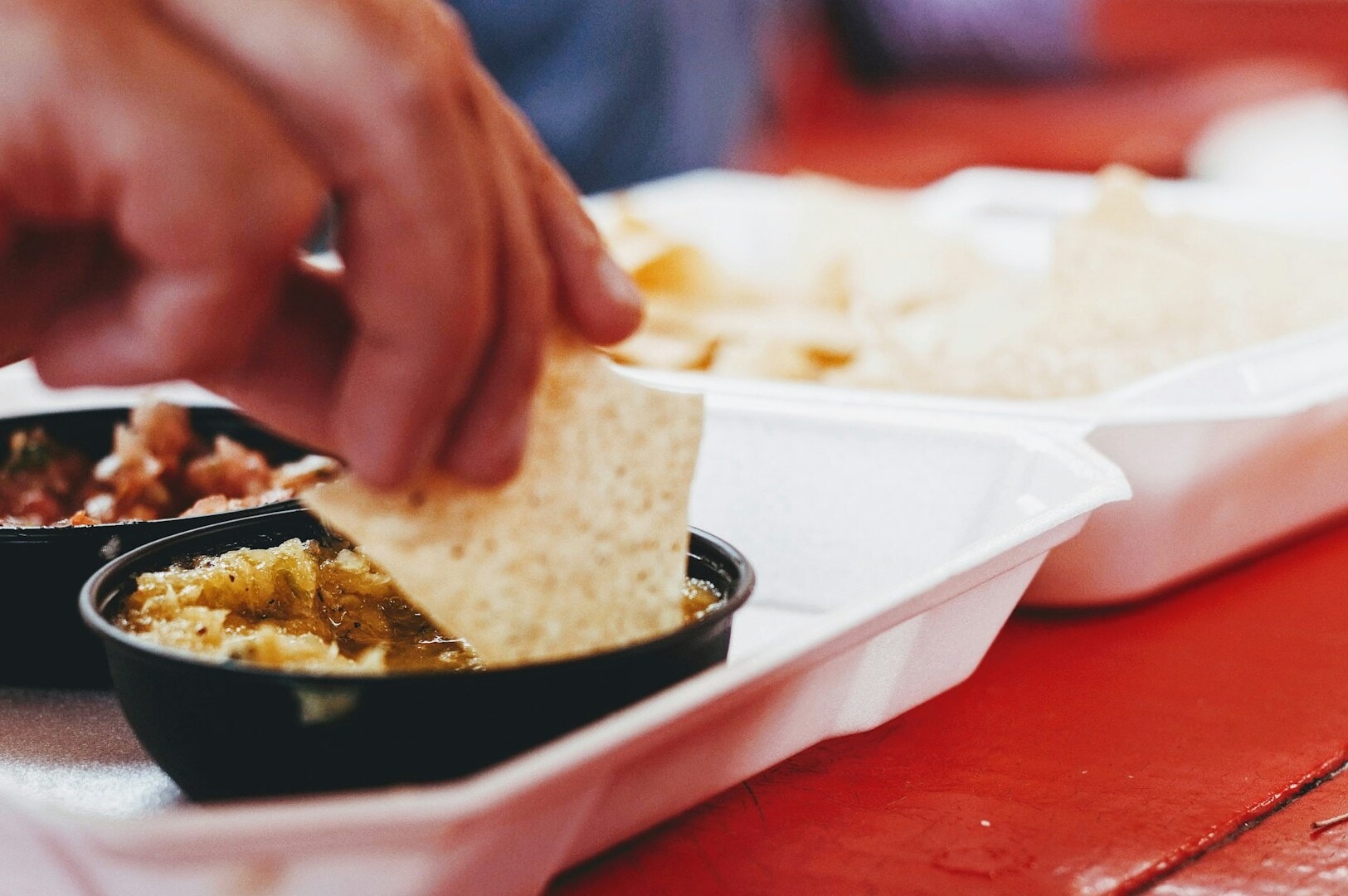
Though I promised not to focus only on food, let’s be honest: the best hawker food Singapore can offer draws us back again and again. The beauty of a best hawker centre is in its diversity—Teochew porridge beside nasi lemak, spicy Indian rojak cheek by jowl with Hakka yong tau foo. Popular dishes you can eat here include chee cheong fun, black carrot cake, and chicken wings, each offering a unique taste of local flavors. A good hawker centre showcases the patchwork of Singapore’s cultures on every table, with Indian food being a key part of the multicultural offerings.
When it comes to noodles, you’ll find everything from rice noodles and flat rice noodles to classic noodle dishes, highlighting the incredible diversity available. Don’t miss the best satay stalls, famous for their smoky skewers and signature peanut sauce. At Maxwell Food Centre, tian hainanese chicken rice is a must-try, often drawing a long queue that signals its popularity and great food. Many stalls have even been recognized by the Michelin guide for their outstanding quality.
What marks a best hawker centre isn’t just variety; it’s also quality. The best hawker stalls Singapore feature both iconic favourites and niche family recipes, with hawkers taking pride in upholding traditions—sometimes for generations. Prices stay affordable, somehow, against the odds. This is where hawkers sg outshine global food halls: a table for all budgets, with each bite a lesson in Singapore’s multicultural identity and a true food adventure for anyone eager to eat their way through the stalls.
If you’re ready to dive deep into the best hawker food Singapore has to offer, don’t miss our companion piece, Hawkers: The Heart and Soul of Singapore’s Culinary Heritage, where we go in-depth with the legendary culture that make Singapore’s street food scene unrivalled.
Community and Atmosphere
What turns a group of food stalls into the best hawker centre is the vibrant “kampong spirit” beneath the lights. Regulars greet hawkers by name, aunties share stories, and strangers often share tables, bonding over food.
Street vendors are central to this community, keeping traditions alive and welcoming all. Many top hawker stalls have loyal customers returning daily, creating a lively rhythm—elderly uncles enjoying kopi, teens sharing satay, and parents introducing kids to spicy laksa.
The best hawker centres feel authentic, not touristy, with hawkers sg pouring heart into every meal. Remember to bring cash, as many street vendors may not accept cards.
Hawker Stall’s Operating Hours and Convenience
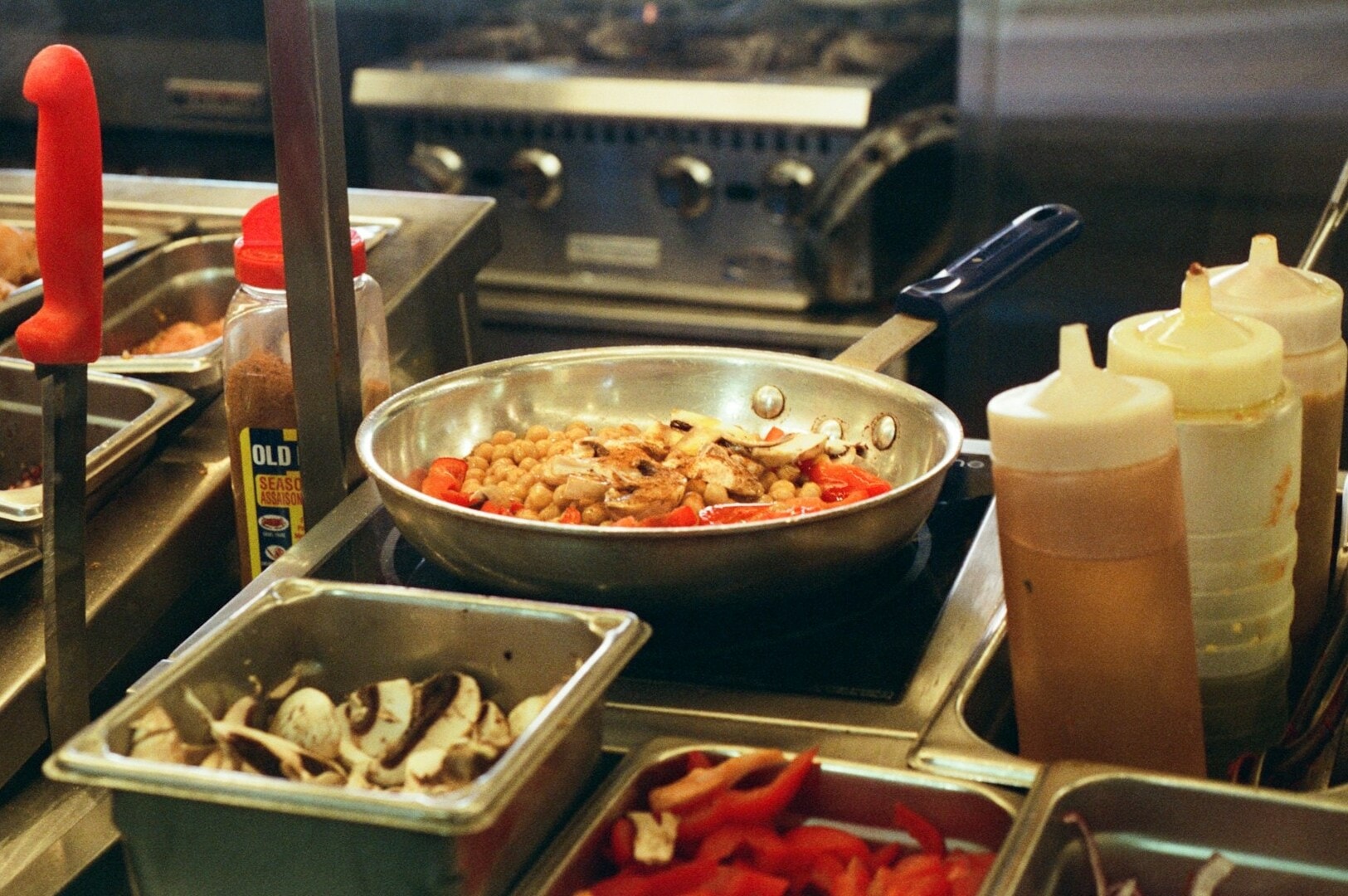
Ask anyone where they get their breakfast or where their midnight hunger pangs send them, and the answer is usually a hawker centre. The best hawker centre Singapore boasts a lineup of stalls that keep the place buzzing from first light through last call. Most stalls are open during specific hours, providing a wide range of options throughout the day. In a city that never really sleeps, staggered stall hours mean fresh kaya toast at dawn, chicken rice for lunch, and ice kacang with friends past dinner.
Managing peak crowds is a hidden art of a good hawker centre—queue lines that move quickly, clear signage, even putting in a buzzer system when needed. For a more relaxed dining experience, consider visiting during off peak hours, such as weekday afternoons, when the crowds are thinner.
Heritage and Character
Singapore’s oldest hawker centres are time capsules, bearing witness to decades of family feuds, royal visits, and everyday resilience. The best hawker centre Singapore offers is often one where generations of families have carved out their own food stories. These living museums are crowded with memories: faded signboards, familiar smells, and the warm voices of hawkers who know your favourite order.
Newton Food Centre, for example, gained international fame after being featured in Crazy Rich Asians, cementing its cultural significance and popularity among both locals and tourists.
It’s not easy to balance modernization with the preservation of heritage, but the best hawker centres do so with respect. Upgrades come carefully here—improving kitchens and comfort without losing the character that gives history its flavour. Veteran singapore hawkers are the heartbeats of these spaces; their commitment threads the centre’s past to its present, making each visit feel like a return home, truly making these places Singapore’s Culinary Heritage.
Innovation and Adaptation
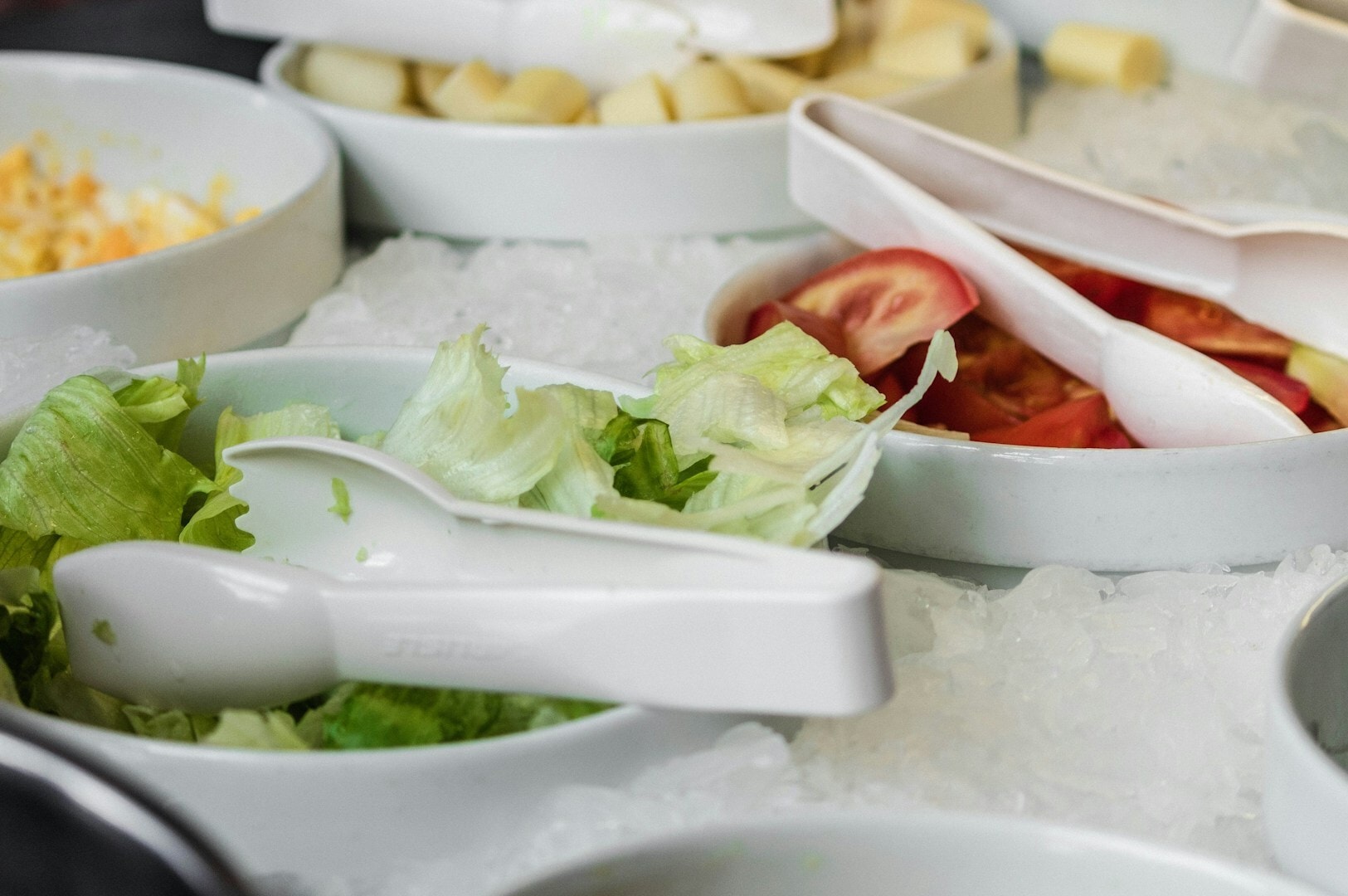
Even the best hawker centre can’t sit still. Watch how some centres now offer cashless payments, QR-menu ordering, and options for food delivery—appealing to tech-savvy youth and busy families alike. Importantly, centres that lead in adaptation are the ones future-proofing the best hawker food Singapore is known for, bringing in young hawkers with fresh ideas and modern twists.
This evolution isn’t just about gadgets; it’s about openness. A good hawker centre acts as a stage for new food concepts, fusion stalls, and updated classics. The best hawker stalls Singapore boasts today are as likely to be led by a fourth-generation noodle master as a bold twenty-something with a new take on Prata. This blend ensures the best hawker centres Singapore continue to push the city’s culinary boundary, keeping tradition vibrant and relevant.
Social Inclusion and Accessibility
Hawker centres are, and must always be, for everyone. Inclusivity is built into the best hawker centre Singapore can claim—from broad walkways and accessible restrooms to multilingual menus and seating designed for young, old, and everyone in between. The best centres are committed to affordability, ensuring nutritious and delicious fare is accessible regardless of income. Hawker centres are especially known for providing affordable food, making quality local cuisine available to all, no matter their background.
Here, you’ll find halal and vegetarian stalls, signs to help the visually impaired, and spaces where wheelchairs move freely between tables. This level of thoughtfulness isn’t an afterthought; it’s at the core of a good hawker centre experience, ensuring the authentic hawker food Singapore is truly for all.
Singapore’s Hawker Centre Etiquette
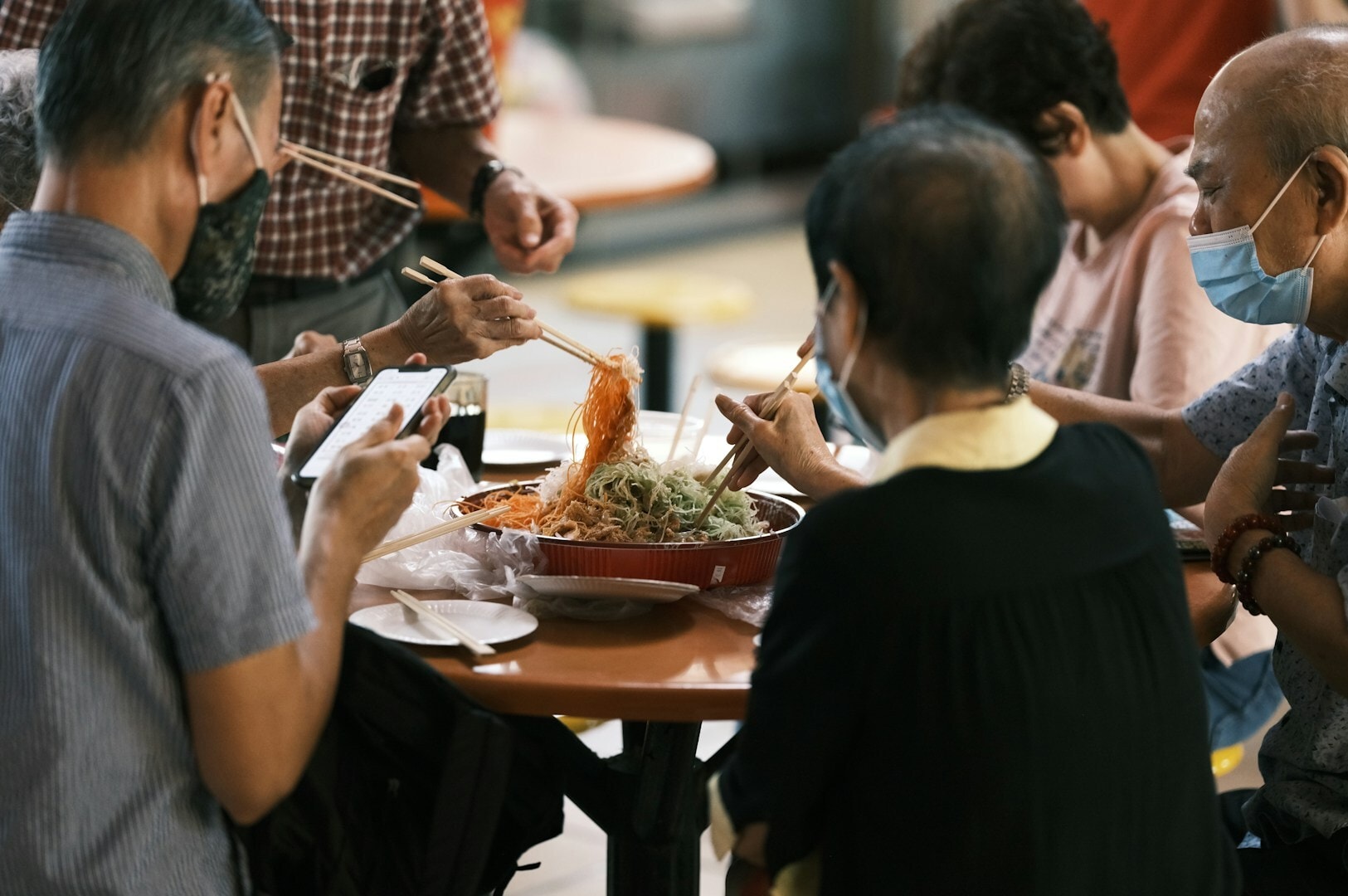
Entering Singapore’s hawker centres—be it the heritage-rich Maxwell Food Centre, the lively Newton Food Centre, or the iconic Lau Pa Sat—requires understanding the local customs that elevate dining to a cultural experience. One key tradition is “chope,” where patrons reserve seats by placing tissue packets or personal items on tables, especially during busy times when the aromas of hainanese chicken rice and char kway teow fill the air. Embracing this practice connects you to authentic hawker culture.
After enjoying dishes like chilli crab or kway teow, it’s customary to clear your table and dispose of waste at designated stations, showing respect for the space and the hardworking street food vendors and hawker stall operators.
To truly savor the hawker centre experience, explore multiple stalls—starting perhaps with chicken rice, then char kway teow, and finishing with spicy chilli crab. Supporting various vendors enriches your culinary journey and sustains Singapore’s vibrant food heritage.
By following these simple yet meaningful customs, you’ll blend seamlessly into the local rhythm and fully appreciate the communal spirit and exceptional cuisine found in Singapore’s hawker centres.
Hawker Food Prices and Options
Singapore’s hawker centres offer a rich culinary experience with meals typically priced between S$3 and S$8. More elaborate dishes like barbecue stingray and chilli crab range from S$10 to S$15, making quality food accessible and affordable. These centres showcase a blend of traditions, including authentic south indian cuisine, spiced chicken curry, carrot cake, hokkien mee, and satay. Notable locations like Tiong Bahru Market and Chinatown Complex feature Michelin-recognized stalls praised by culinary icons such as Anthony Bourdain. Beverages and snacks like kopi, teh, ice kacang, and red bean soup are available for S$1 to S$3. Each hawker centre has its unique atmosphere—from the lively Lau Pa Sat satay street to the vibrant Newton Food Centre and the tranquil Tiong Bahru Market—offering a diverse and memorable dining experience.
Conclusion
What makes a good hawker centre or, better yet, the best hawker centre Singapore? It’s a symphony. Thoughtful design, stellar management, passionate hawkers, and a community spirit that draws everyone together. A centre’s excellence is measured not just by its dishes but by the laughter at its tables, the regulars who return day after day, and its balance of nostalgia and progress.
When you visit Singapore, make sure to explore its vibrant hawker centres. Don’t miss Tekka Centre in Little India, a bustling hawker and wet market famous for its fresh produce and diverse Indian cuisine. For scenic dining, some hawker centres are located near the Singapore River, offering beautiful views alongside delicious food. Be sure to try notable stalls like Kwee Heng, renowned for its duck noodles and a favorite among locals and tourists alike.
For discovering authentic hawker experiences, legendary best hawker food Singapore, and the stories of individual hawkers, head to Singapore Hawkers. It’s the best place to learn more—or maybe learn more about Hawker Centre and its cultural heritage by clicking here!