Introduction: A Young Hawker Centre with an Old Soul
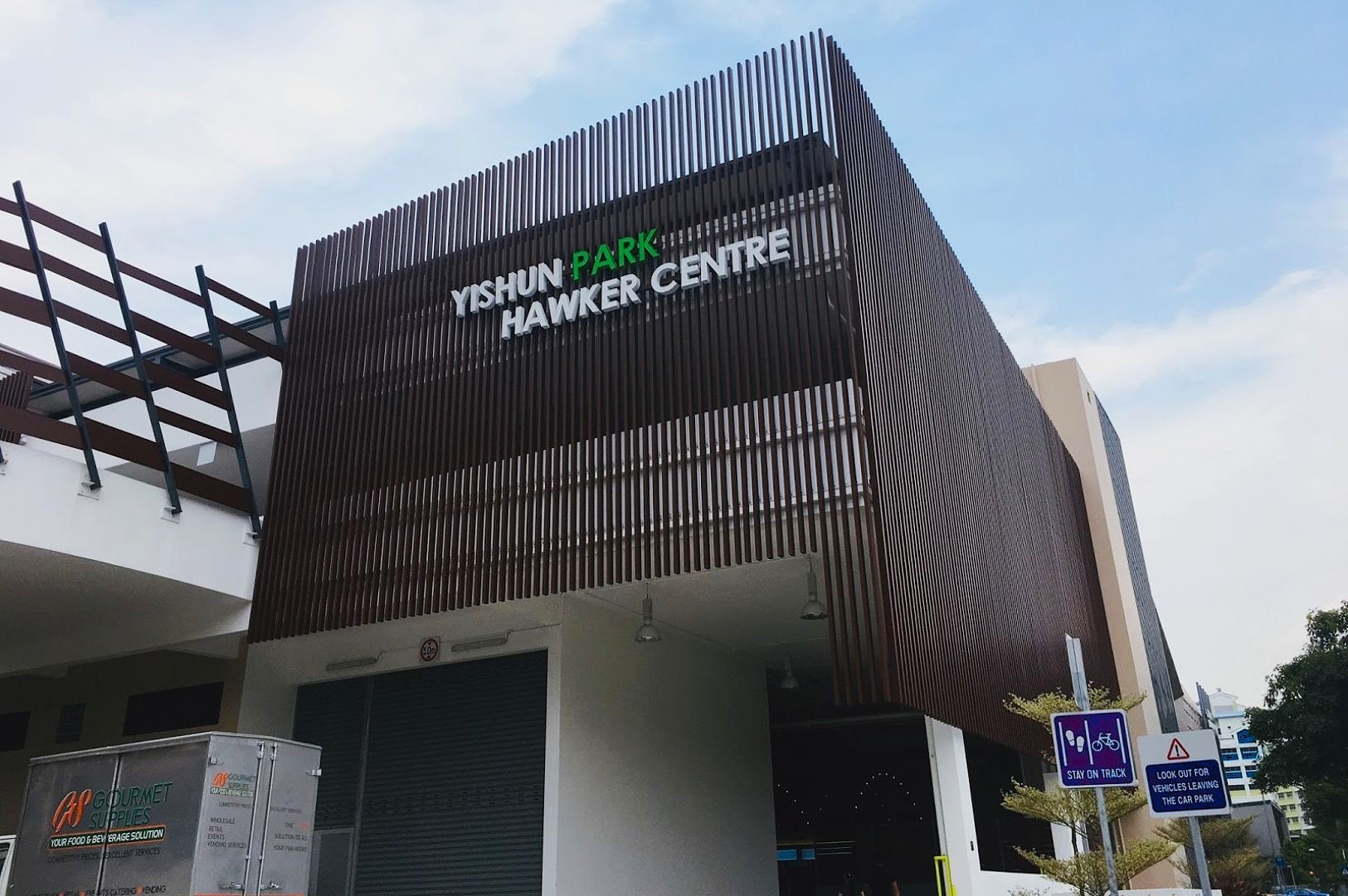
Yishun Park Hawker Centre sits at 51 Yishun Avenue 11, Singapore 768867, a semi-open structure that officially opened its doors on 20 September 2017. For residents of this northern housing town, it has become a familiar part of the daily rhythm—a place where morning kopi drinkers share tables with retirees, where schoolchildren queue for after-class snacks, and where families gather on weekends for unhurried meals.
This article is not a guide to the best stalls of hawker centres or a ranking of must-try dishes. Instead, it explores how Yishun Park Hawker Centre came to be, how it serves its community, and how it reflects the quiet evolution of hawker fare in Singapore. The focus is on history, heritage, design, and the lived experience of the people who eat here—young and old, regulars and first-time visitors alike.
Stalls to Try at Yishun Park Hawker Centre
Yishun Park Hawker Centre is home to a diverse range of food stalls, each offering distinctive dishes that have won the hearts of many Singaporeans. Here are some of the must-visit stalls to enjoy during your visit:
One Mouth Noodle (#01-12)
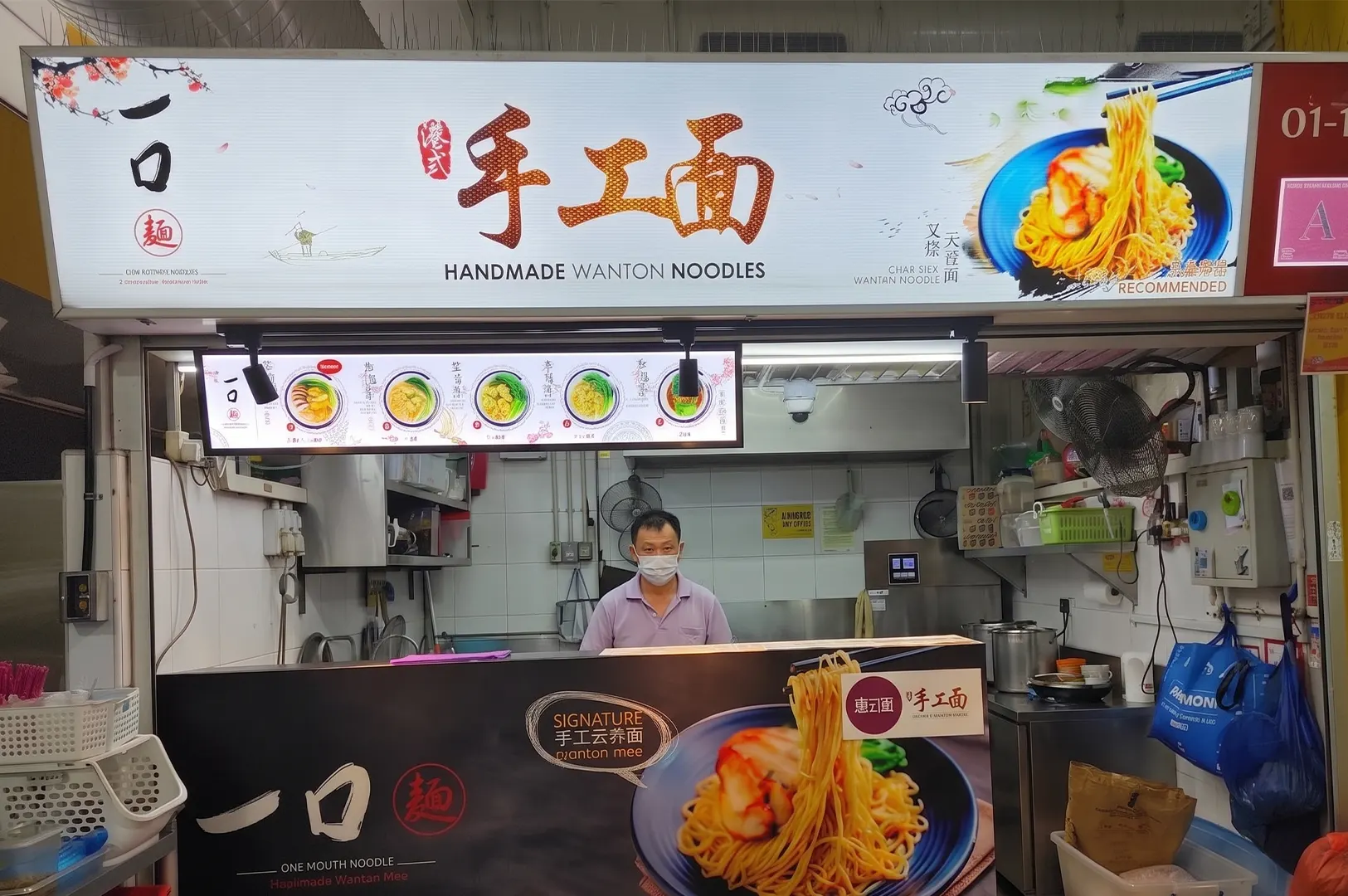
Famous for its handmade wanton mee and char siew noodles, One Mouth Noodle serves bowls with a delightful QQ texture. Their dry version features a savory-sweet sauce that perfectly complements the tender char siew. Prices start at S$5.80, making it an affordable yet satisfying choice.
Ah Tan Wings (#01-40)
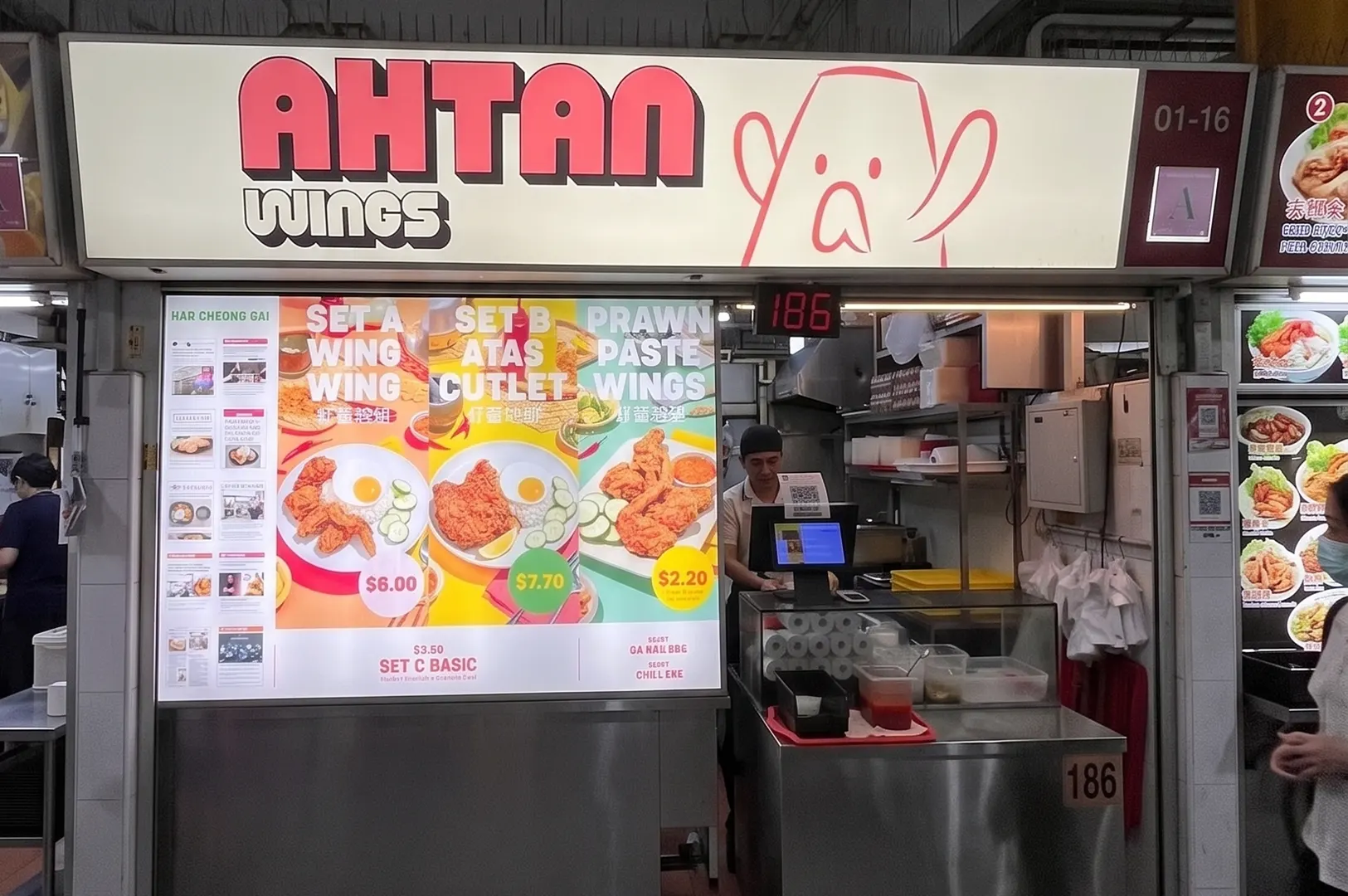
Specializing in har cheong gai, or prawn paste chicken wings, Ah Tan Wings is renowned for its super crispy prawn paste wings marinated for two days to infuse the rich shrimp paste flavour. The wings are juicy inside with a crunchy exterior, perfect for a snack or meal.
Smokin’ Joe Western Charcoal Grill (#01-37)
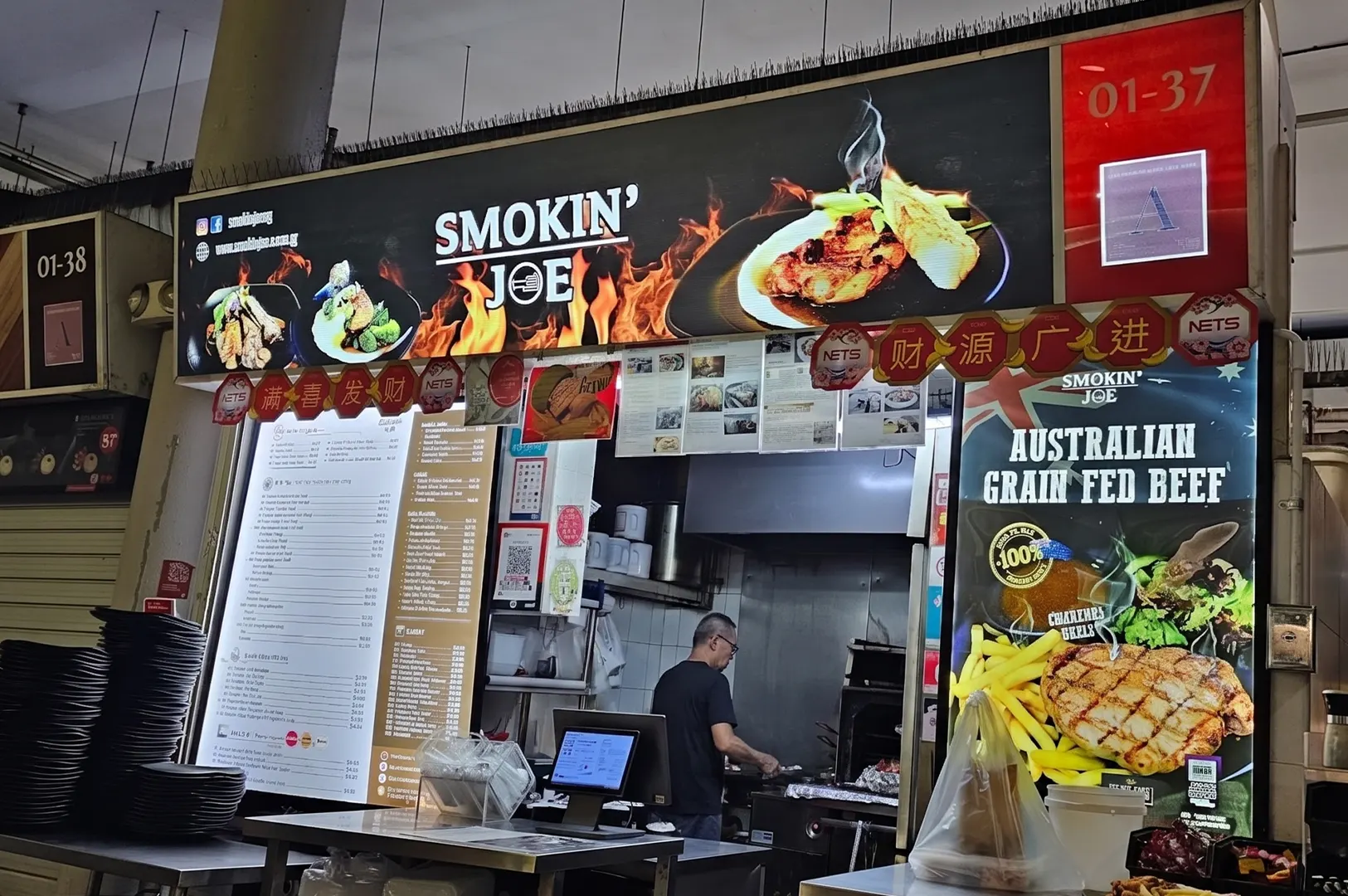
For those craving Western food, Smokin’ Joe offers dishes cooked with a josper charcoal grill, including Australian ribeye steak served with garlic bread and creamy mashed potatoes. The smoky flavours and quality ingredients make it a standout among hawker Western stalls.
Munchi Pancakes (#01-43)
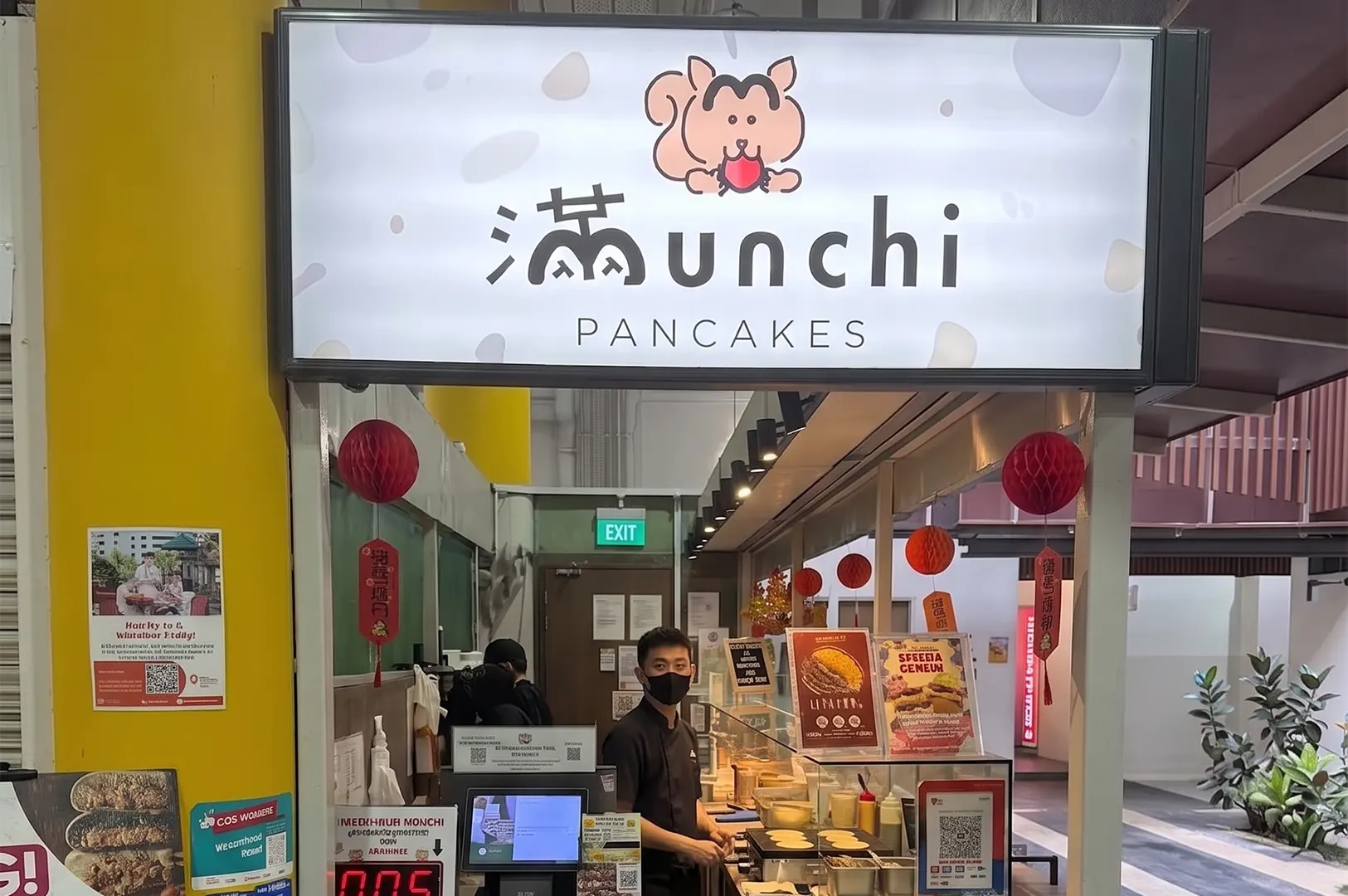
A dessert stall specializing in traditional Chinese min jiang kueh pancakes with options like peanut, red bean, and green tea skin. Munchi Pancakes‘ fluffy yet crispy pancakes offer a sweet finish to your meal.
JJ Prawn Noodles (#01-21)
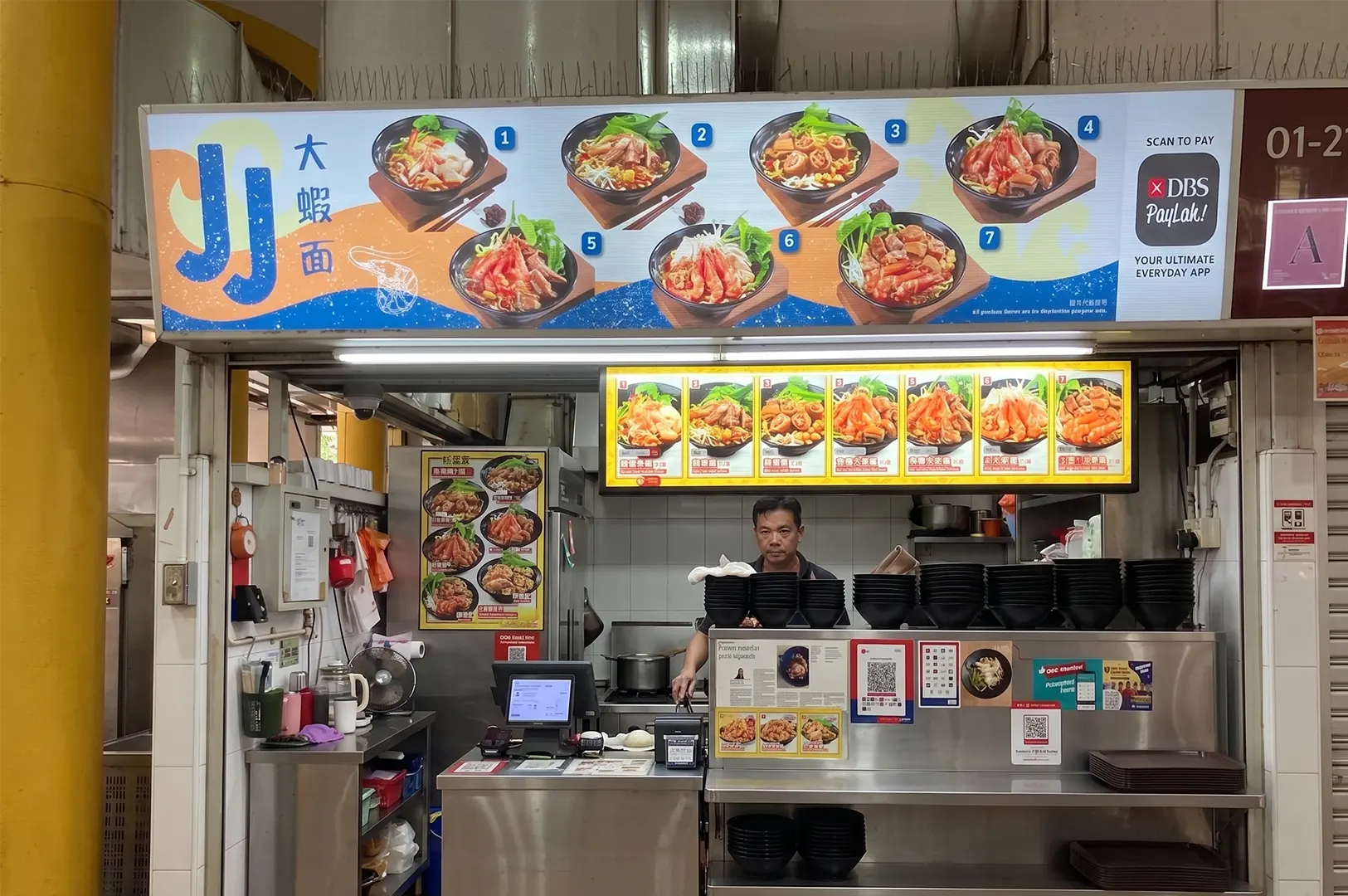
Known for their fresh prawns and pork ribs, JJ Prawn Noodles serves a signature Pork Rib Big Prawn Mee with a clear, flavorful broth and tender pork ribs. A hearty bowl that is a favourite among locals.
These stalls represent just a fraction of the culinary variety available at Yishun Park Hawker Centre, making it a vibrant destination for good food lovers seeking both traditional and innovative dishes.
From Satellite Town to Hawker Hub: Yishun’s Changing Landscape
Traditional Food Spots and Population Shift
For older residents, affordable meals meant heading towards Yishun Central or Chong Pang, where wet markets and older coffee shops nurtured the roots of hawker culture in the area—simple, no-frills, and deeply familiar. Over time, the population shifted eastwards. Newer estates around Yishun Avenue 11 and Yishun Street 31 created pockets of residents further from traditional food spots.
Yishun Park Hawker Centre as a Community Anchor
Yishun Park Hawker Centre emerged as a community anchor, not a tourist destination or food pilgrimage site. Located within walking distance of homes, schools, and the 14-hectare Yishun Park (opened in 1995), it offers families and residents a convenient place to eat, gather, and simply be. This hawker centre features over 40 food stalls, including popular dishes like bbq boneless chicken leg, prawn paste chicken wings, and unique offerings such as nasi lemak ayam taliwang.
From Satellite Town to Hawker Hub: Yishun’s Changing Landscape
Yishun was not always the densely populated housing town it is today. Developed significantly from the 1980s onwards as part of Singapore’s public housing expansion, it grew from former plantation and farmland into a network of HDB estates, schools, parks, and neighbourhood amenities. The town’s identity was shaped by pragmatic planning: blocks of flats, void decks, and community spaces designed for everyday living.
For older residents, the search for affordable meals once meant heading towards Yishun Central or Chong Pang, where wet markets and older coffee shops served the neighbourhood. These were the places where hawker culture first took root in the area—simple, no-frills, and deeply familiar. Over time, however, the population shifted eastwards. Newer estates sprouted around Yishun Avenue 11 and Yishun Street 31, creating pockets of residents who lived further from the traditional food spots.
Yishun Park Hawker Centre emerged as an answer to this need. It was not conceived as a tourist destination or a food pilgrimage site. Rather, it was intended as a community anchor: a place within walking distance of homes, schools, and the 14-hectare Yishun Park that opened in 1995. For families who moved into the newer blocks, it offered what every Singaporean neighbourhood needs—somewhere to eat, gather, and simply be.
Design in a Park: Architecture, Airflow and Everyday Comfort
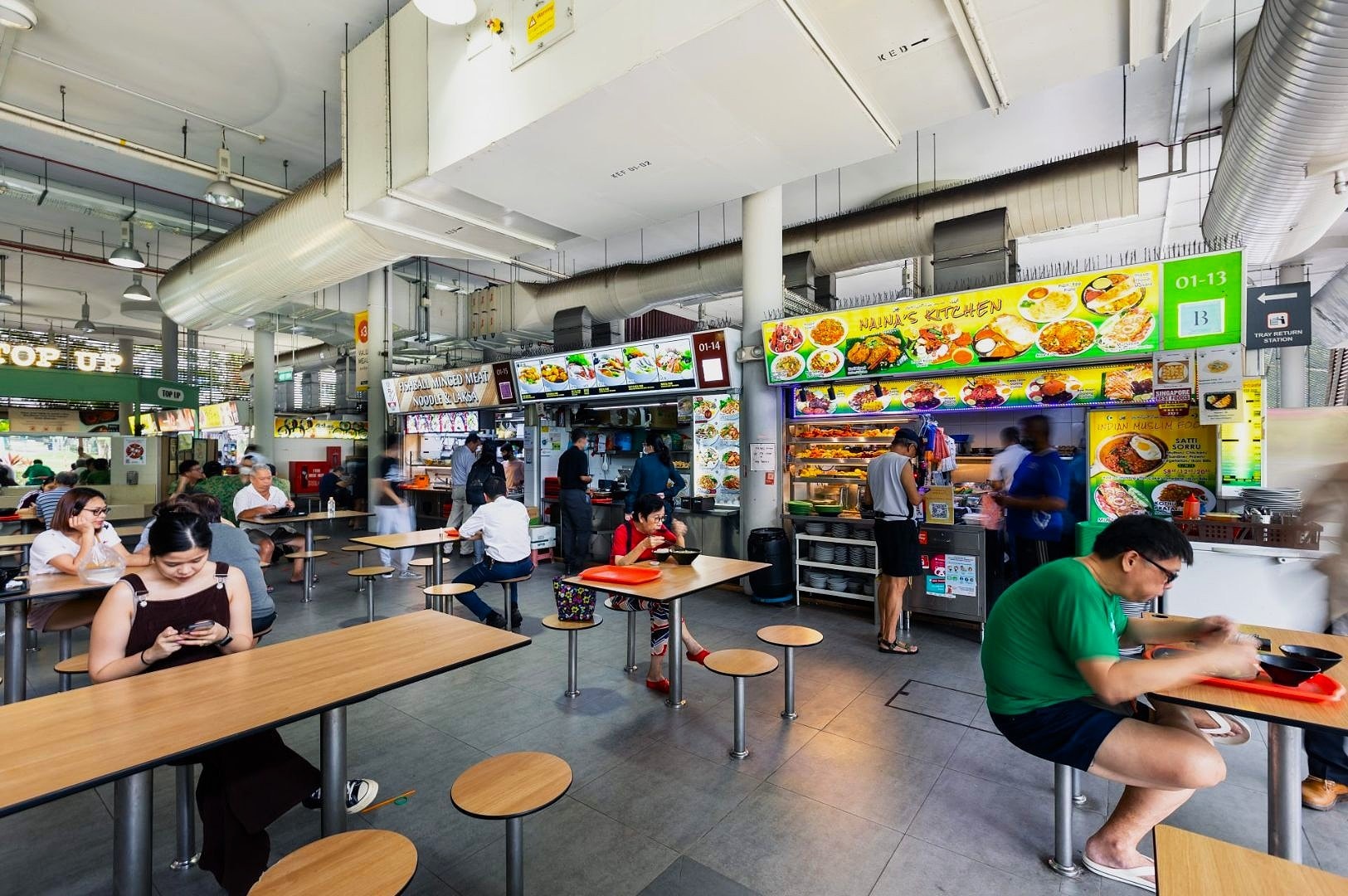
The physical environment of Yishun Park Hawker Centre sets it apart from older, more utilitarian facilities. The structure is low-rise and semi-open, positioned alongside Yishun Park with views of trees and open sky. Natural light filters through during the day, and the sound of birds occasionally punctuates the background noise of sizzling woks and chatter.
Accessibility was clearly part of the planning. Wide aisles accommodate prams, wheelchairs, and the unsteady steps of elderly diners. Two floors of car parking sit above the centre, connected by lifts to the ground-level eating area. For residents who rely on the bus rather than MRT (the nearest station requires a short ride—bus 103 for five stops), the parking facilities and drop-off points make visits easier for families with young children or seniors.
The seating layout encourages lingering:
- Large communal tables for multi-generational families
- Smaller tables for couples and friends
- Flexible spaces that can host weekend events or community gatherings
This is not a place designed for quick turnover. It is a space where you can sit, talk, and watch the day go by.
Continuity of Hawker Values: Familiar Routines in a New Space
Despite the modern touches, the rhythms of Yishun Park Hawker Centre are deeply traditional. Early morning sees kopi drinkers settling into their usual seats. Lunchtime brings workers from nearby offices and schools. By evening, families fill the tables, and late-night suppers stretch past the usual dinner hours.
What matters to regulars is not the sleekness of the building but the reliability of the food. Stalls here still practise the kind of preparation that defines hawker culture:
- Simmering stock pots through the night
- Marinating meat for extended periods (Ah Tan Wings, for example, marinates its prawn paste chicken for two days before frying)
- Grinding spice pastes by hand for aromatic curries
The building is new. The culture is not.
Neighbourhood Identity and Everyday Heritage
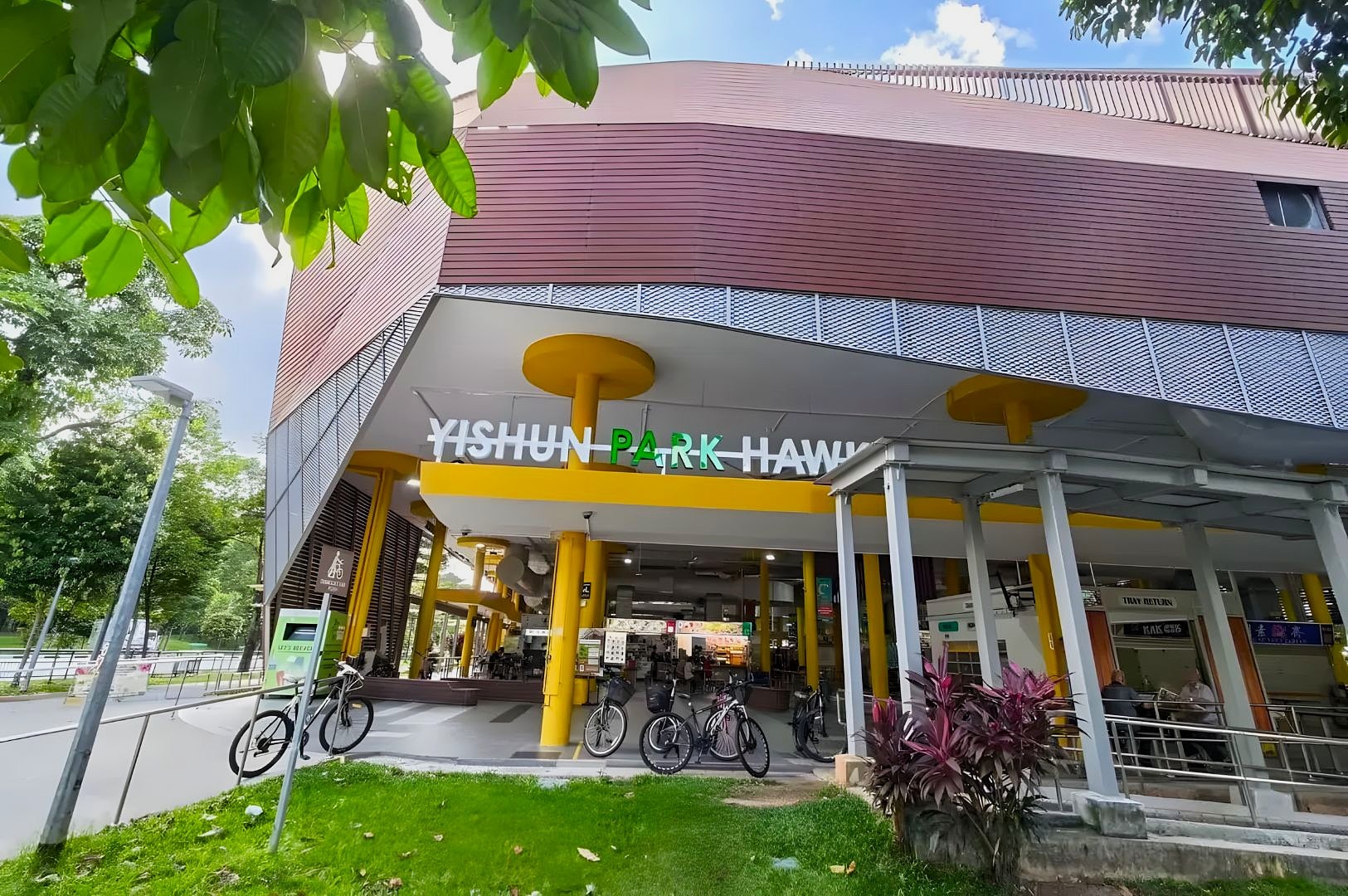
Over time, Yishun Park Hawker Centre has become woven into local identity. Residents sometimes affectionately refer to the area with nicknames that give it a distinct character—a habit that reflects the way Singaporeans personalise their neighbourhoods.
The concept of “everyday heritage” is useful here. This is not about grand monuments or museum exhibits. It is about ordinary routines:
- Weekend breakfasts after a jog in Yishun Park
- After-work suppers following a long shift
- Catching up with friends over rice and vegetables
Intergenerational Dining: Passing on Tastes and Stories
One of the defining features of Yishun Park Hawker Centre is how it functions as a bridge between generations. On any given day, you will see grandparents, parents, and children eating together around the same table.
These are not special occasions. They are weekly routines:
- Sunday breakfasts where three generations gather
- Family dinners on weekday evenings
- Quick suppers after tuition or enrichment classes
At these tables, older diners introduce younger ones to traditional dishes. A grandmother might insist her grandchild try the fishballs and fishcakes—perhaps from a stall like Fishball Story, which continues a family legacy of handmade yellowtail fishballs made with 100% fish and no flour. The quality and presentation of sliced ingredients, such as pork or fish slices, are also highlighted in these noodle dishes, enhancing both flavor and visual appeal. A grandfather might reminisce about the pushcart days while ordering a plate of nasi lemak generously filled with sambal and fried anchovies.
Recipes, tastes, and dining habits are intangible heritage, passed on informally through repeated shared meals in places, which makes this place one of the best hawker stalls in Singapore.
Continuity Amid Change: Why Places Like This Matter
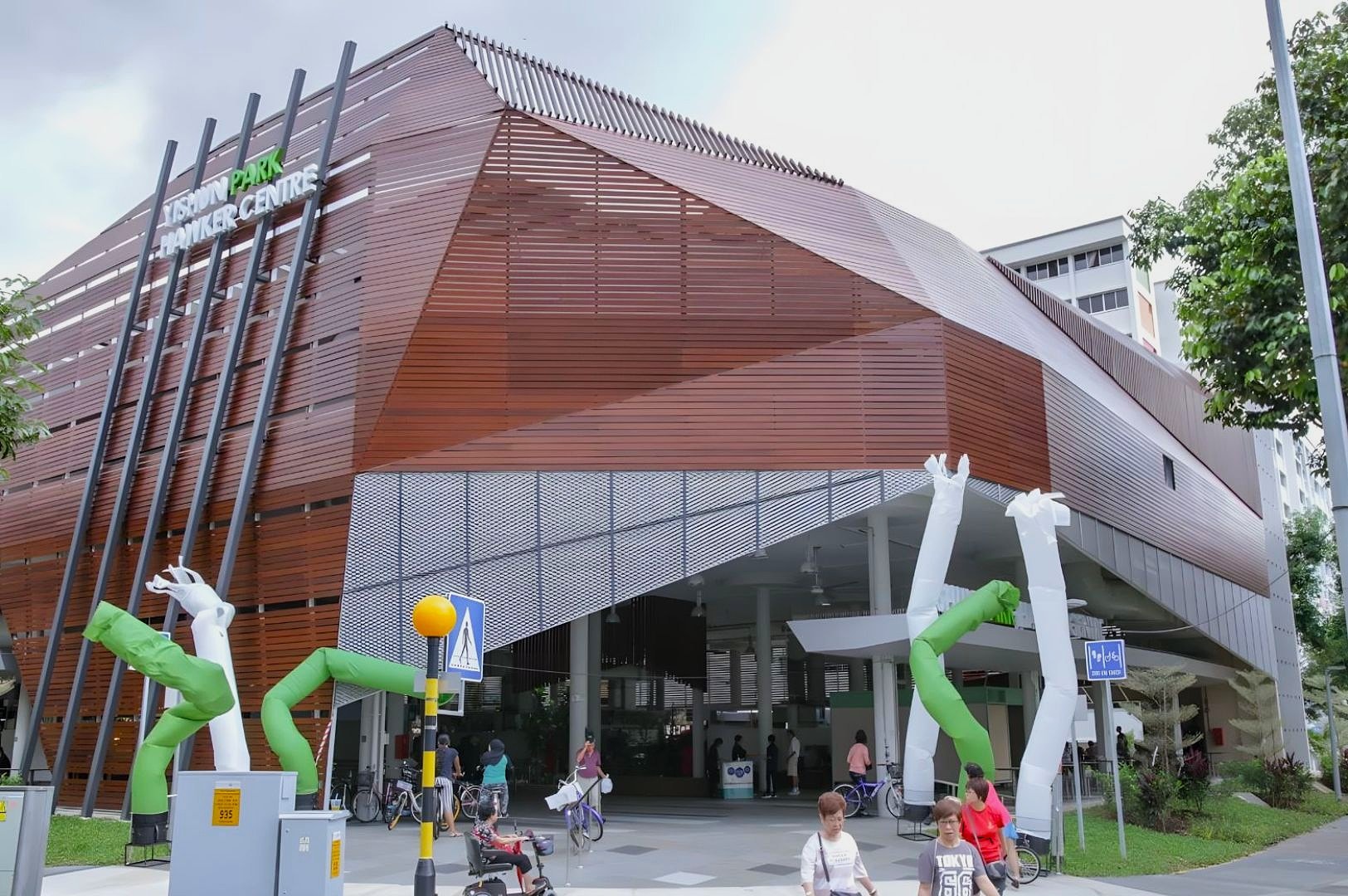
Yishun Park Hawker Centre illustrates the evolution of Singapore’s hawker landscape. The building is new. The management model is experimental. The technology is modern. Yet the social functions remain enduring:
- A place where neighbours meet
- A space where families gather
- A venue where everyday heritage is practised, not preserved in a display case
The themes that define this hawker centre—neighbourhood identity, intergenerational dining, affordable meals, communal tables—are the same themes that defined hawker centres decades ago. What changes is the wrapper. What remains is the habit of gathering, eating, and talking together.
And that is precisely the point. Preserving hawker culture is not only about saving recipes or protecting specific stalls. It is about sustaining places where ordinary people meet, eat, and build community. It is about ensuring that the next generation has somewhere to sit down with their grandparents over a bowl of hot noodles, a plate of minced pork belly rice, or a simple dish of vegetables and egg.
This is not a special moment. It is an ordinary one. And that is what makes it worth keeping.