
Step into any of Singapore’s bustling hawker centres during peak hours, and you are immediately immersed in a vibrant tapestry of sights, sounds, and smells that define the city-state’s soul. The clatter of ceramic plates, the hum of conversations in a medley of languages, and the fragrant steam rising from countless food stalls create an atmosphere uniquely Singaporean. Hawker centres are basically ubiquitous in Singapore, found in every corner of the city, and are an essential part of daily life.
In 2020, UNESCO recognized Singapore’s hawker culture as an Intangible Cultural Heritage of Humanity. This prestigious honor celebrates not only the delicious hawker food but also the social ecosystem that hawkers in Singapore have cultivated for generations. This post explores the rich cultural fabric and human stories behind these beloved community dining rooms, while also serving as a practical guide for those eager to visit Singapore and experience the Heart and Soul of Singapore’s Culinary Heritage.
Hawker Centres: From Streets to Centres
The story of hawkers in Singapore mirrors the nation’s own journey from a chaotic colonial port to a modern metropolis. In the colonial era, itinerant street vendors—mostly immigrants from China, India, and the Malay Archipelago—sold affordable, familiar local dishes from pushcarts and portable stalls. These early street food vendors served laborers and working-class residents, creating a vibrant but unregulated street food scene that would become the foundation of Singapore’s rich culinary tapestry.
Following independence, the Singaporean government embarked on a massive urban renewal and public health initiative during the 1970s and 1980s. This program aimed to relocate these street vendors into hygienic, purpose-built hawker centres. While initially met with resistance by hawkers who valued their freedom, this transition was pivotal. It transformed hawkers in Singapore from informal vendors into licensed, regulated operators, institutionalizing their role in society. Today, every neighborhood features one or more food centres, becoming essential community hubs that serve affordable, delicious food to locals and tourists alike.
The Social Architecture of Hawker Centres
The design of Singapore’s hawker centres is a masterclass in social engineering. These open air food courts or minimally enclosed structures feature rows of hawker stalls surrounding communal seating areas. The nice, lively atmosphere at hawker centres makes them especially appealing for both locals and visitors. Unlike commercial food courts found in malls or restaurants, their layout encourages social mixing across ethnic, economic, and social lines. It is common to see a high-powered executive dining beside a construction worker, both enjoying a satisfying, affordable meal.
One unique cultural practice here is “chope-ing,“ where diners reserve seats by leaving a packet of tissues on the table—a system built on trust and community understanding. Hawker centres also provide a welcoming space for people to rest and recharge while enjoying good food and a sense of community. This economic model makes the hawker centre one of the few remaining truly democratic public spaces, accommodating everyone from elderly friends meeting for morning kopi, students cramming for exams, to families gathering for dinner or lunch.
The Economics of Affordable Food at Hawker Stalls
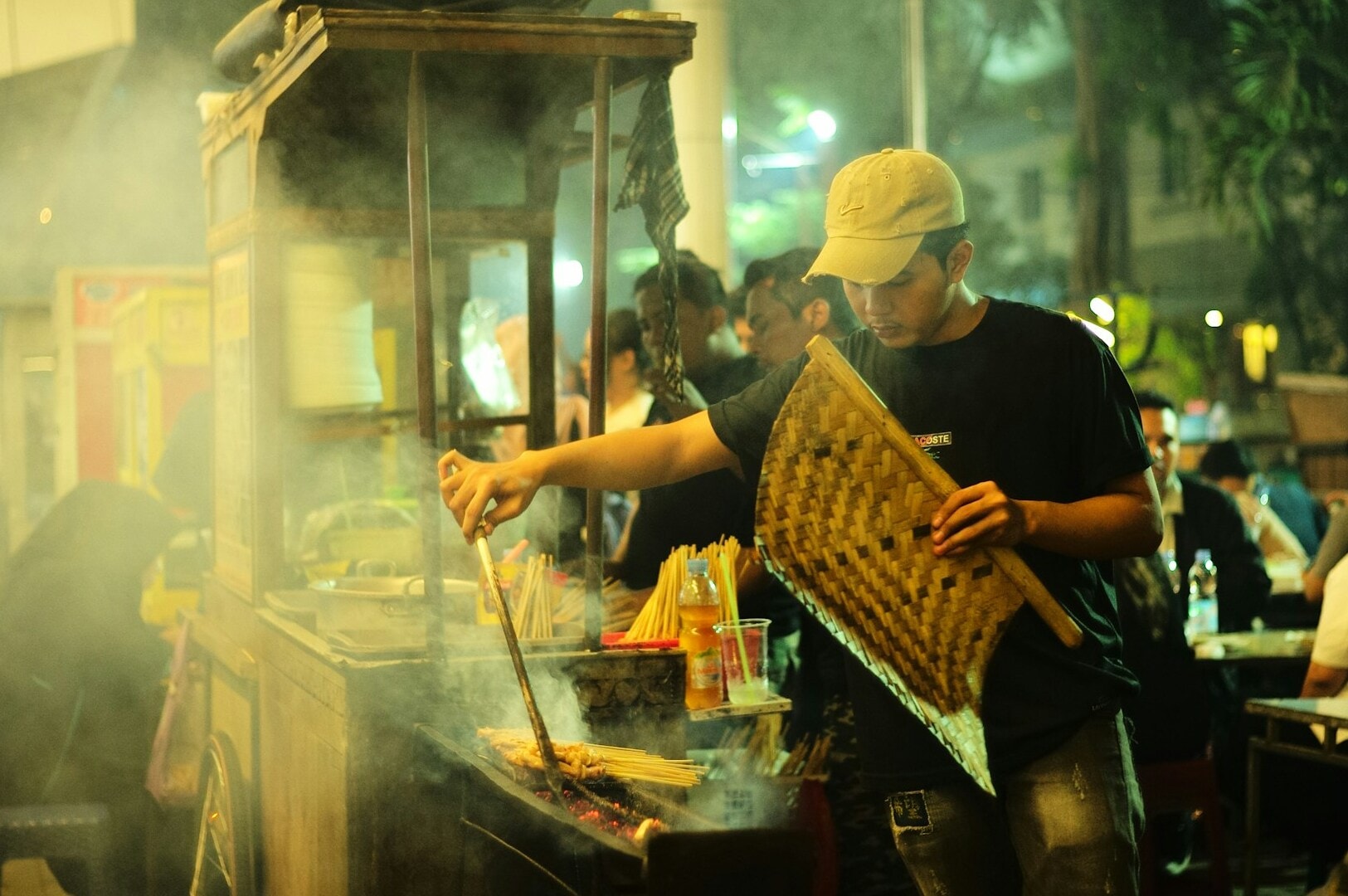
The business model of hawkers in Singapore is a unique blend of passion, hard work, and community service. Maintaining low prices despite rising costs—the “affordability paradox”—is central. With dishes often priced under SGD $5, profit margins are razor-thin, requiring high sales volume to stay afloat. Government subsidies on rent are crucial to this sustainability.
A hawker’s day typically begins before dawn and can last 12 to 16 hours in a hot, demanding environment. Most stalls are family-run, with labor pooled and profits shared. The recent awarding of Michelin stars to some hawker stalls has brought global recognition but also pressure to maintain quality amid long queues. This economic structure is inseparable from the cultural role of hawkers, whose commitment to affordable, delicious food is a form of community service ensuring access to a decent meal for all.
Generational Transition: Challenges and Innovations
One pressing issue is succession. The average hawker is over 60 years old, and many are retiring, risking the loss of invaluable knowledge. The long hours, physical demands, and social stigma deter younger Singaporeans, who often pursue more lucrative careers.
Recognizing this, the government launched the Hawkers Development Programme to attract and train new talent. There are active efforts by both the government and new hawkerpreneurs to keep the tradition alive and evolving, ensuring that the culture remains vibrant. A new generation of “hawkerpreneurs” is emerging—educated young people who see hawking as a viable career. These modern hawkers in Singapore balance tradition with innovation, using social media for marketing and adopting cashless payments. This transition will determine whether hawker culture remains a living heritage or becomes a historical artifact.
Must-Visit Hawker Centres and Iconic Dishes
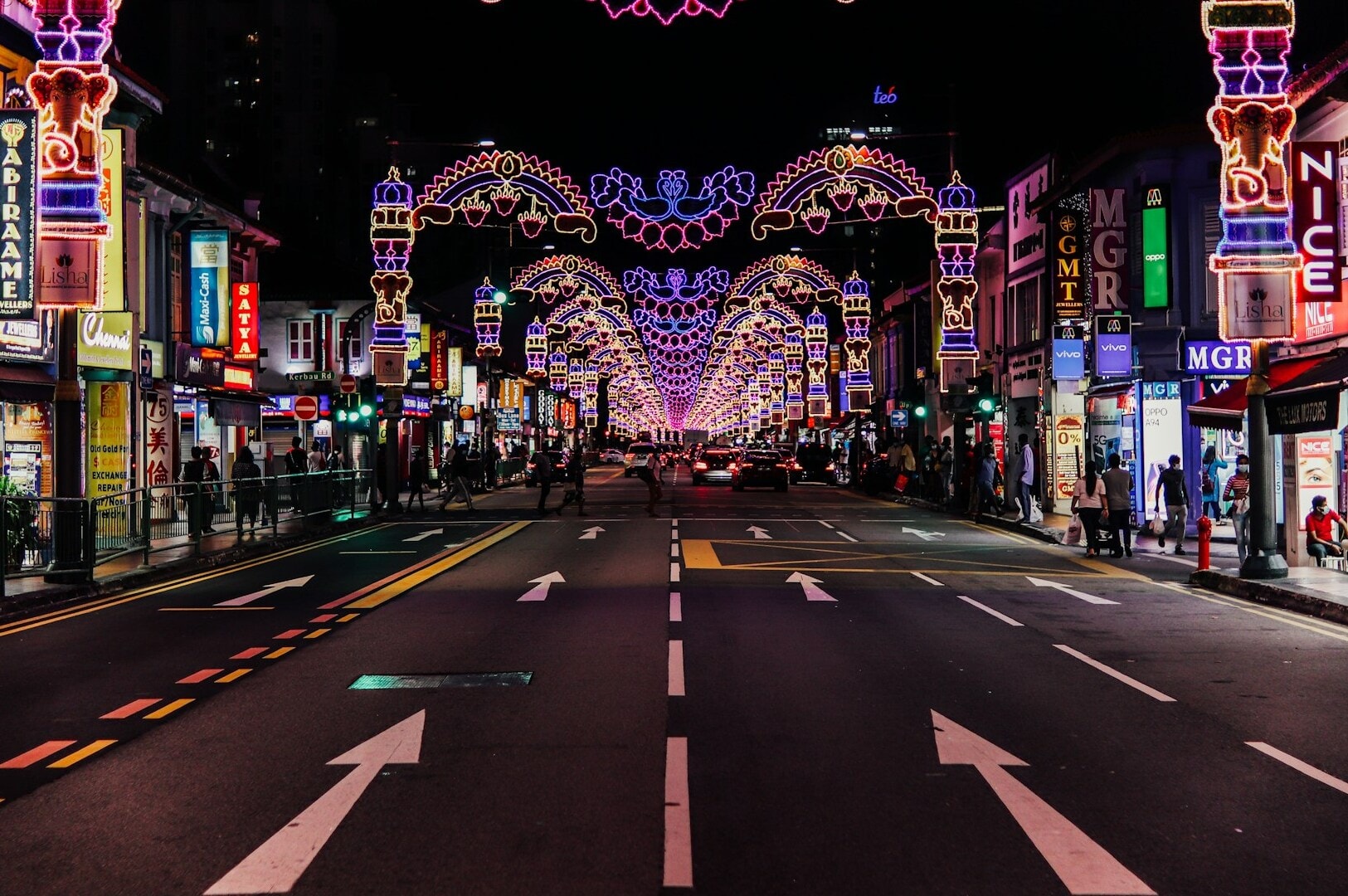
This section highlights must-visit hawker centres and dishes you shouldn’t miss in Singapore. Guided food tours are a great way to explore these vibrant centres, discover hidden gems, and sample a lot of local favorites with expert insights.
Singapore’s hawker centres offer a dazzling array of dishes representing its multicultural heritage, with a lot of food options and bustling activity at every turn. Here are some must visit spots to experience authentic Hawker Centre cuisine:
Maxwell Food Centre
Located near Chinatown and Tanjong Pagar, Maxwell Food Centre is a must visit spot for anyone wanting to sample authentic hawker food and enjoy great food from a variety of renowned vendors. Famous for its Hainanese chicken rice, especially the stall endorsed by Anthony Bourdain and listed in the Michelin Guide, Maxwell draws both locals and tourists. Expect a line at popular stalls like Tian Tian Hainanese Chicken Rice, but the queue tends to move quickly and is part of the experience. If the famous stall is too busy, there are other stalls serving similar dishes, so you have plenty of options to try.
Lau Pa Sat and Satay Street
Lau Pa Sat, also known as Lau Pa, is a historic food centre in the heart of the central business district. Its Victorian architecture sets it apart. By day, it serves office workers; by night, Satay Street outside comes alive with smoky grills selling the city’s best satay—grilled skewers of chicken, beef, and mutton served with peanut sauce. There are a lot of food options and activity at Lau Pa Sat, making it a vibrant destination for food lovers.
Newton Food Centre
Featured in Crazy Rich Asians, Newton Food Centre is famous for its seafood and barbecue stalls. Located near Orchard Road, it’s a great spot for late-night meals. Must-tries include BBQ stingray, chilli crab, and succulent chicken wings with a juicy inside that bursts with flavor. For those with a sweet tooth, try the peanut pancake, which features a generous layer of finely crushed peanuts for added crunch and aroma.
Chinatown Complex Food Centre
The largest hawker centre in Singapore, Chinatown Complex boasts over 260 stalls, including the world’s cheapest Michelin star meal. Joining guided food tours is a popular way to explore the centre, uncover hidden gems, and sample a curated selection of the best local street food. It offers a vast selection of Chinese, Malay food, and Indian food, including authentic South Indian cuisine at nearby Tekka Centre in Little India.
Tekka Centre and Little India
Tekka Centre is the place to experience authentic Indian food and authentic South Indian cuisine in Singapore. Located in Little India, it combines a wet market with a hawker centre, offering a lot of food options and activity, from biryani and dosa to murtabak.
Michelin Star Hawker Stalls: World-Class Flavours at Humble Prices
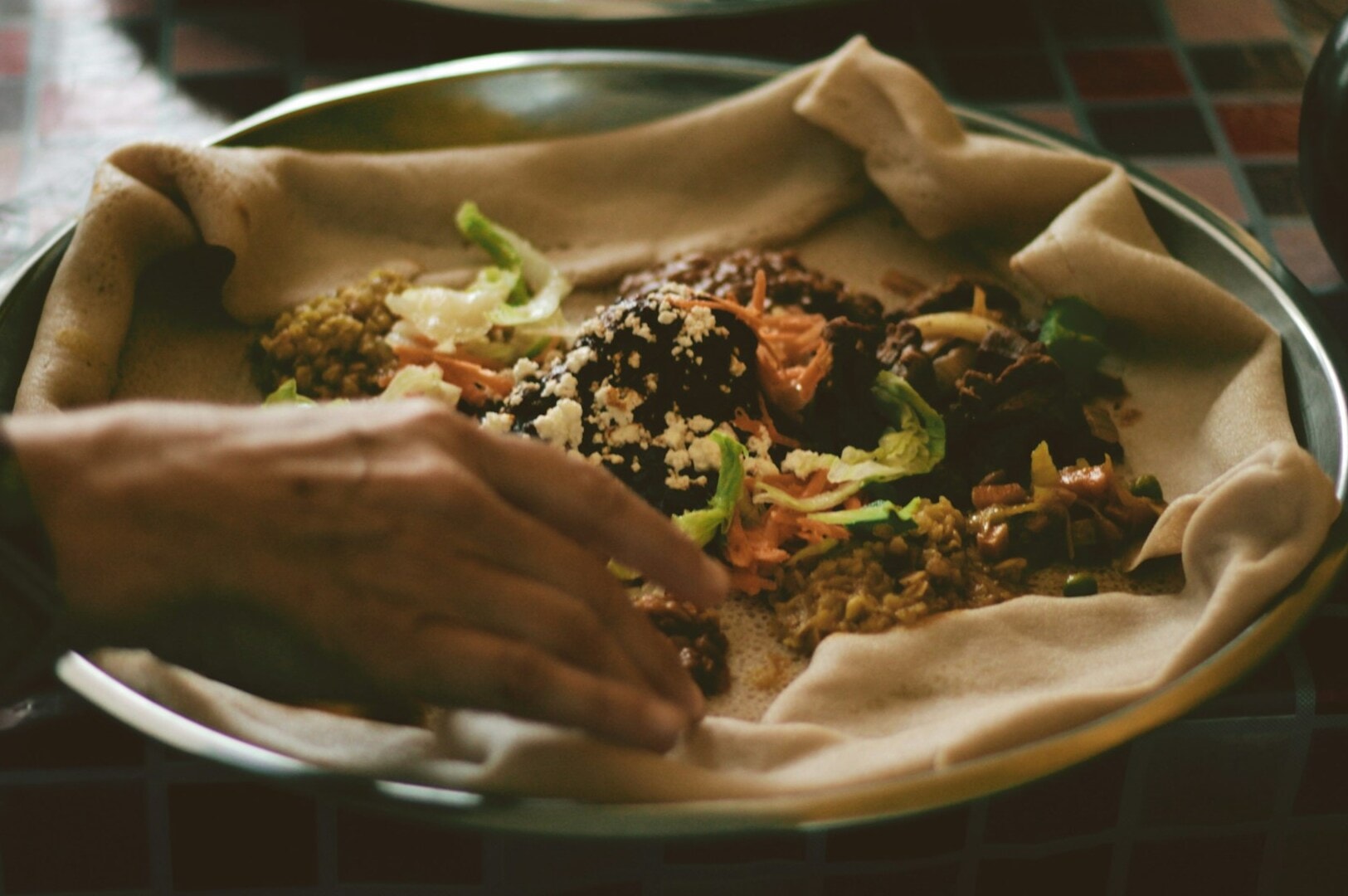
Singapore’s street food scene features Michelin-starred hawker stalls that blend artisanal mastery with affordability. Tian Tian Hainanese Chicken Rice at Maxwell Food Centre is renowned for its perfectly prepared chicken rice, earning praise from Anthony Bourdain and the Michelin Guide. Other notable stalls like Liao Fan Hong Kong Soya Sauce Chicken Rice & Noodle and Ah Tai Hainanese Chicken Rice uphold this tradition of exceptional quality. These humble yet acclaimed establishments offer visitors and locals alike a chance to enjoy world-class flavors in a welcoming, authentic setting, embodying Singapore’s rich culinary heritage.
The Hawker Experience Beyond Food
Beyond satisfying hunger, hawker centres are social anchors. They are the neighborhood’s communal dining rooms where friendships are forged over plates of noodles, chicken rice, and chilli crab. Retirees meet for morning coffee, families gather for lunch, and friends share stories over dessert. Informal support networks flourish, and hawkers often know their regulars personally. After enjoying their meal, some visitors leave a tip or a comment to show appreciation for the food and service.
These centres also serve as cultural stages where festivals like Lunar New Year and Hari Raya come alive, with special dishes and decorations. They are venues where politicians engage with citizens and where newcomers integrate into Singapore’s multicultural fabric.
Navigating Hawker Centres: Tips for Visitors
When you visit Singapore, exploring its hawker centres is essential. To make the most of your experience:
- Avoid peak lunch hours and the lunch rush to beat crowds and long queues.
- Use public transport to reach popular centres like Maxwell Food Centre, Newton Food Centre, and Lau Pa Sat. They are well connected by MRT and bus.
- Try a variety of dishes from different stalls—sample char kway teow, Hainanese chicken rice, satay, and chilli crab.
- Be mindful of local customs like chope-ing to reserve seats.
- Beware of tourist traps; some centres are more commercialized, but places like Chinatown Complex and Tekka Centre remain authentic.
- Bring cash, though many stalls now accept digital payments.
The Global Impact and Recognition of Singapore’s Hawker Culture
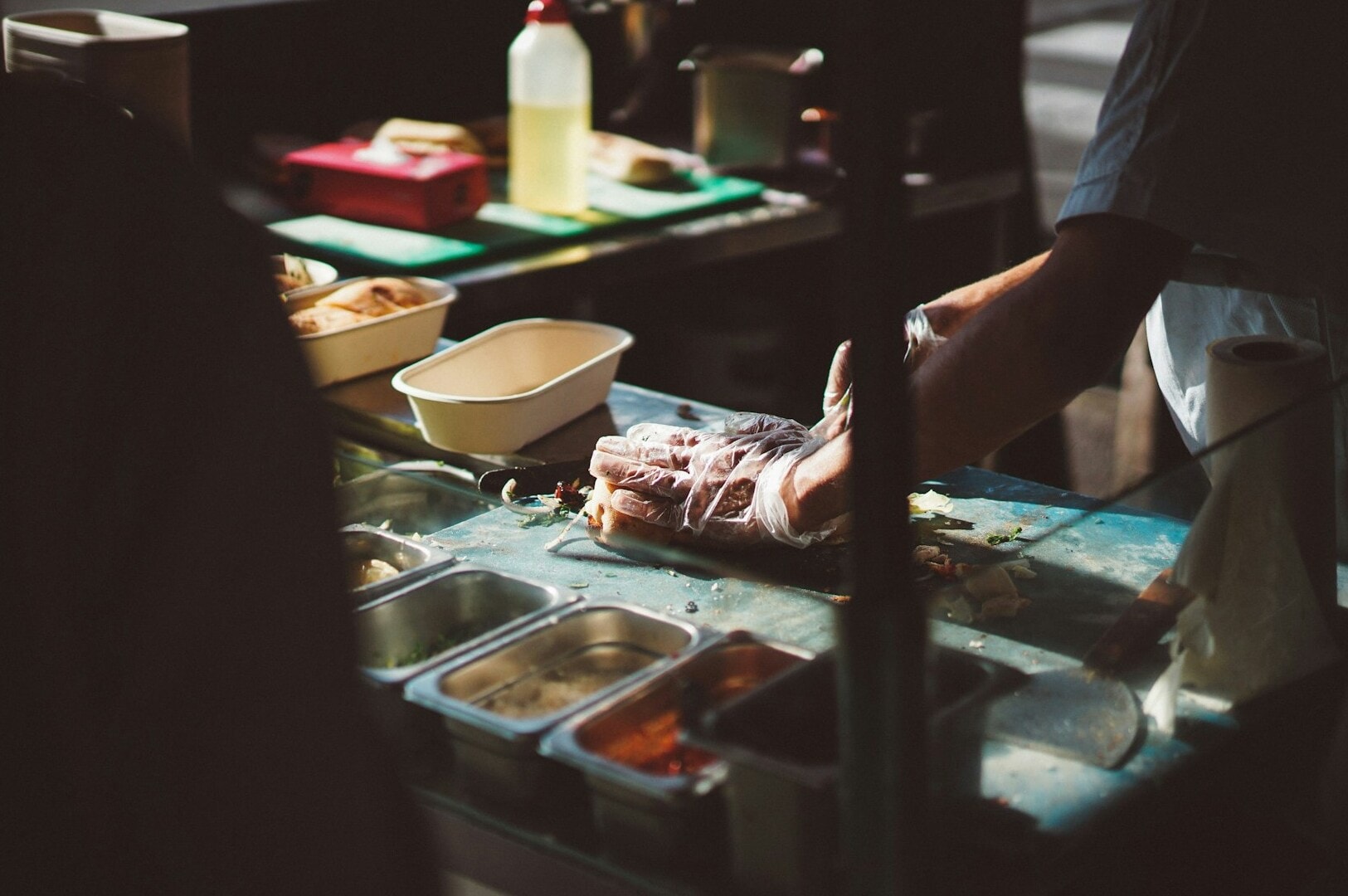
Singapore’s hawker culture has gained global acclaim, not only for its delicious food but also for its role in fostering community and preserving heritage. The awarding of Michelin stars to hawker stalls and features in media such as Crazy Rich Asians and endorsements by figures like Anthony Bourdain have put Singapore’s hawker centres on the world culinary map.
This recognition has sparked international interest in replicating Singapore’s model of integrating street food into urban planning, preserving affordability, and maintaining high hygiene standards. It also attracts food tourists eager to sample authentic local cuisine in lively open air food courts.
Conclusion
The bustling hawker centres of Singapore are much more than places to eat. They are living museums of culture, community, and history. Hawkers in Singapore sustain one of the few remaining urban spaces where people from all walks of life share a common experience as equals. They safeguard culinary traditions that might otherwise be lost to time.
Despite challenges like rising costs, manpower shortages, and changing tastes, Singapore’s hawker culture and heritage remains resilient. It adapts without losing its soul, thanks to the dedication of hawkers, government support, and a community that values this shared heritage.
The next time you visit Singapore, step beyond the tourist sights and dive into the vibrant world of hawker centres. Savor the delicious food, embrace the social atmosphere, and become part of the living story of this remarkable city-state.
Ready to discover the best hawkers in Singapore? Visit Singapore Hawkers today and start planning your delicious adventure in one of the world’s most exciting food destinations or click here to know more about the culture and traditions in Singapore’s infamous Hawker Centres. Taste the authentic, enjoy the affordable, and experience the heart of Singapore’s food culture like never before!