
We spend our days eating and talking to the people behind the stalls. A common question we ask is how they keep their food tasting the exact same after thirty or forty years. The truth we have learned is that preserving a traditional recipe is not about freezing time. It is a constant, quiet struggle to adapt while staying true to the original flavor.
Many older hawkers tell us about the ingredients they can no longer find easily. The exact brand of dark soy sauce their grandfather used might have closed down a decade ago. Sometimes, the quality of dried shrimp or fresh produce changes due to weather and importing rules. This means the cook cannot just blindly follow a written recipe. They have to adjust their cooking times and seasoning levels every single morning just to recreate the taste we all expect.
Then there is the challenge of changing customer habits. A famous fried noodles uncle recently told us he had to drastically reduce the amount of pork lard he uses; younger customers were complaining that his food was too oily. To make up for the lost richness, he spent six months secretly tweaking his wok heat and garlic ratio. It is a very delicate balancing act. If he changes too much, his older regulars will notice and leave. If he does not change at all, he will not attract the younger crowd.
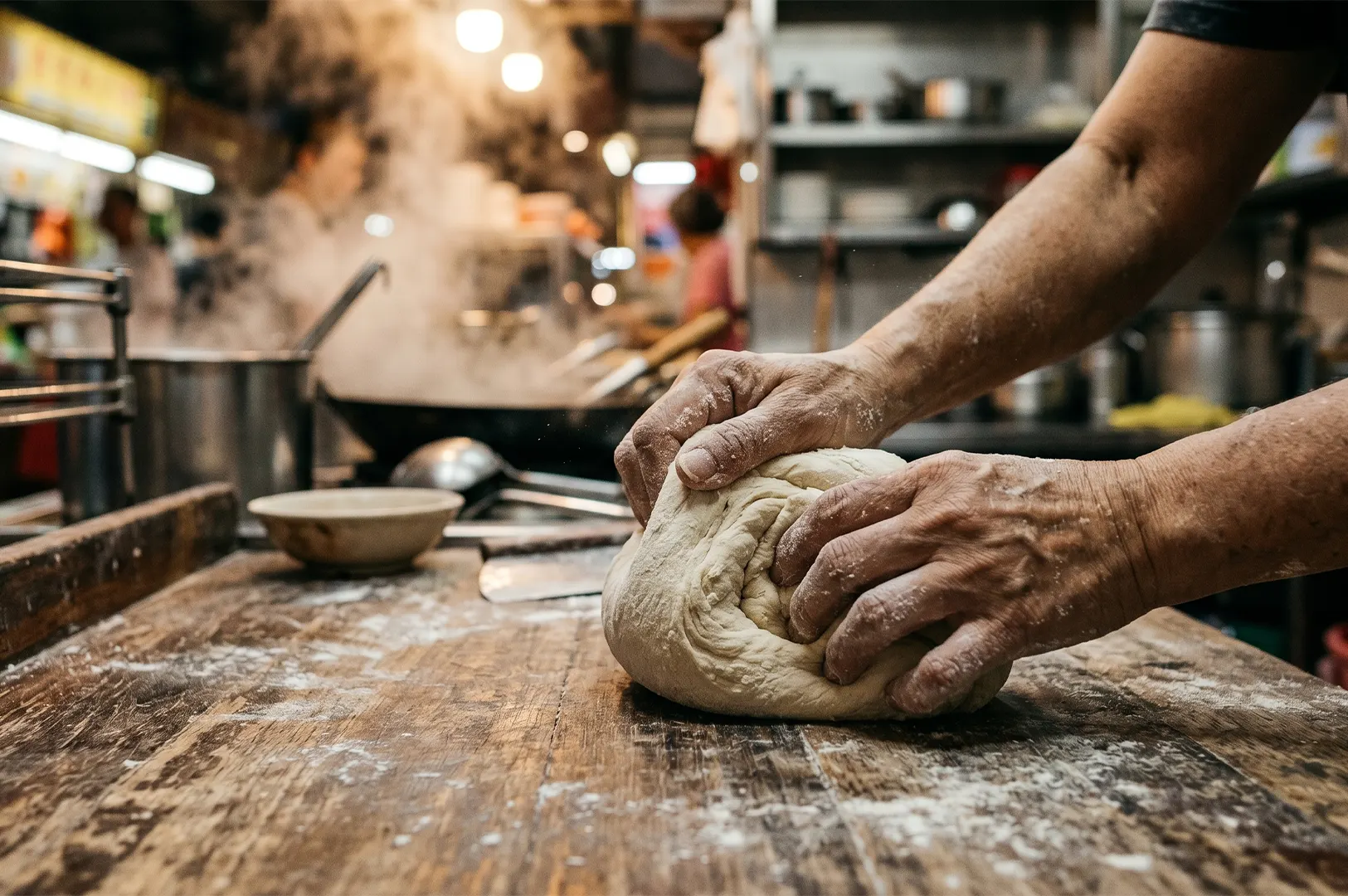
We also see this adaptation in how the food is physically made. Hand-beating fish paste or grinding spices manually takes hours and ruins a person’s joints over the years. As younger family members take over the business, they inevitably introduce modern tools. We have watched second-generation hawkers use heavy-duty electric mixers to knead dough for their handmade noodles. Some food purists might complain about this shortcut. However, when we taste the final bowl, the texture is still perfect. The machine simply saves the hawker from severe back pain. The actual soul of the dish, which is the family spice blend, remains a closely guarded secret safely locked away.
Preserving our local food is a living, breathing process. It requires a stubborn dedication to keep boiling pork bones for ten hours every night; but it also requires the wisdom to accept a mechanical food processor. We see these families making small, smart compromises every single day just to keep their legacy alive on a plastic plate. They are not just cooking food; they are protecting our history.
To read more stories about the hardworking families keeping our local food culture alive, visit us at the Singapore Hawkers website.