There are days when convenience wins. When hunger is loud and patience is quiet, and the nearest stall will do.
And then there are days when only one plate will satisfy you—the kind of craving that doesn’t care about distance, humidity, or the fact that your phone says “20-minute walk.”
This is about those days.
This is about why I will walk 20 minutes for char kway teow, no shortcuts, no excuses, and absolutely no regrets.
Not All Char Kway Teow Is Created Equal
Let’s get something straight: char kway teow is not just fried noodles. It’s a test of heat control, timing, restraint, and experience. Anyone can fry noodles. Very few can command a wok.
The stall that earns my walk has mastered:
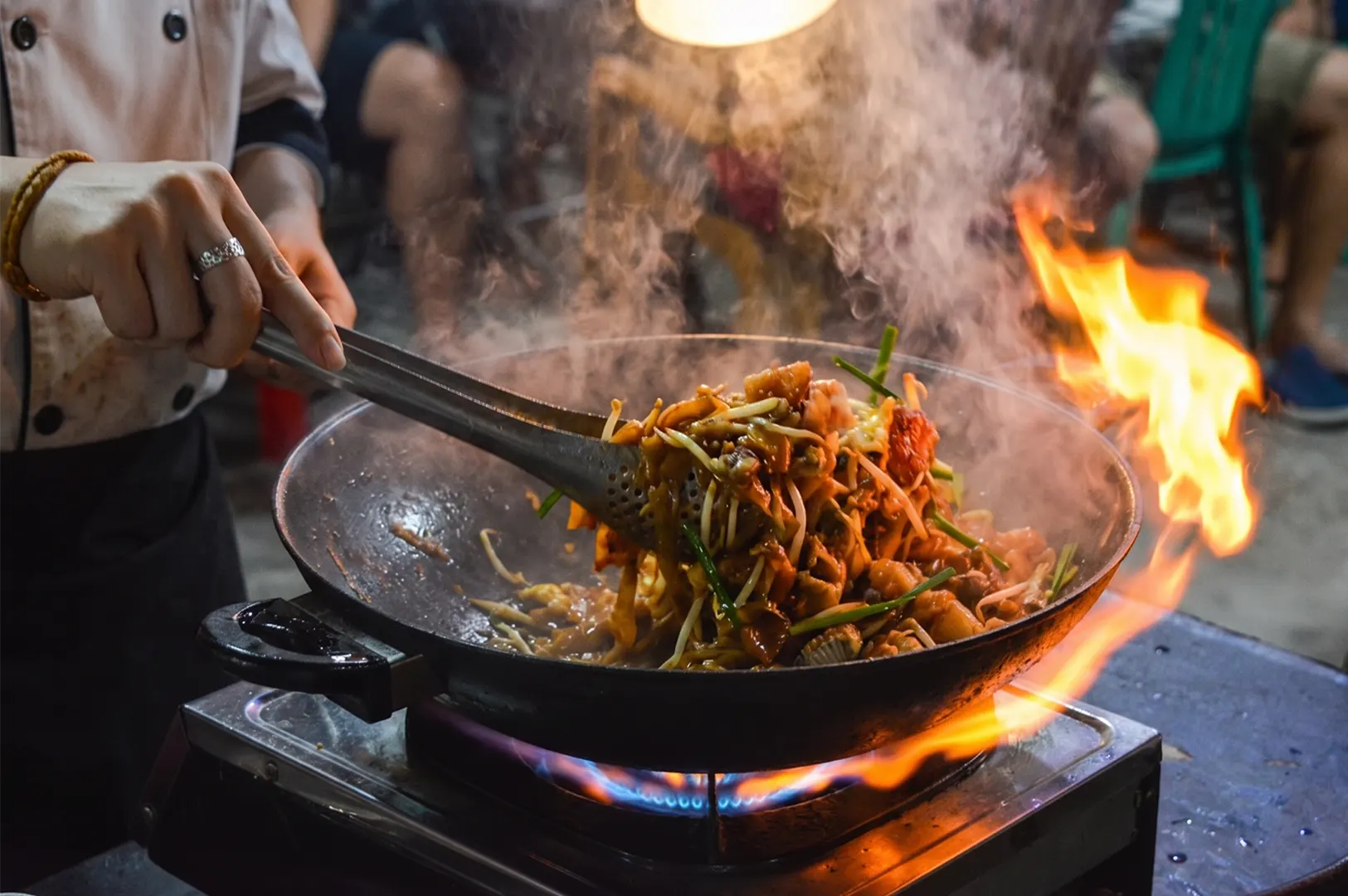
- Proper wok hei — not smoky for show, but deep, layered, and fragrant
- Balanced lard and oil — richness without greasiness
- Egg that clings, not scrambles
- Cockles cooked just enough — briny, warm, alive
- Sweetness that doesn’t shout and savouriness that lingers
If one of these is off, the dish collapses. And no, chilli cannot save it.
Why Distance Filters Out the Mediocre
Here’s the uncomfortable truth: great char kway teow doesn’t need to be everywhere.
The 20-minute walk is a natural filter. It weeds out:
- Half-hearted stalls
- Shortcuts taken during peak hours
- Overly modern “healthier” versions that forgot the soul
What survives are stalls run by people who cook the same way every single day, regardless of trends, reviews, or Instagram angles.
And when you arrive slightly sweaty, slightly annoyed, slightly hungry—the first whiff of the wok hits harder. The payoff is real.
The Walk Is Part of the Ritual
I don’t rush these walks. That defeats the purpose.
I notice things:
- The smell of garlic drifting two blocks away
- The sound of metal spatula hitting wok—sharp, rhythmic, confident
- The queue that forms not because of hype, but habit
By the time I reach the stall, my expectations are high. And that’s exactly how good char kway teow should be met: with standards.
What I’m Willing to Walk For (And What I’m Not)
I’ll walk for:
- A hawker who refuses to batch-fry
- A stall that closes early because ingredients ran out
- A cook who doesn’t smile but never messes up
I won’t walk for:
- Plates drowned in dark sauce to hide weak wok hei
- “Char kway teow-inspired” nonsense
- Places where the noodles taste the same every time because they came pre-seasoned
Distance means nothing if the plate doesn’t earn it.
Why This Dish Still Matters
Char kway teow is often dismissed as “simple” or “unhealthy.” That’s lazy thinking.
This dish represents:
- Working-class ingenuity
- Cooking under pressure
- Making magic from heat, timing, and instinct
When a hawker gets it right, they’re not just feeding you. They’re preserving muscle memory, tradition, and a standard that refuses to die quietly.
That deserves effort—from them and from us.
No Regrets, Only Better Standards
Every time someone tells me, “Isn’t that too far just for noodles?”
I know they’ve never had that plate.
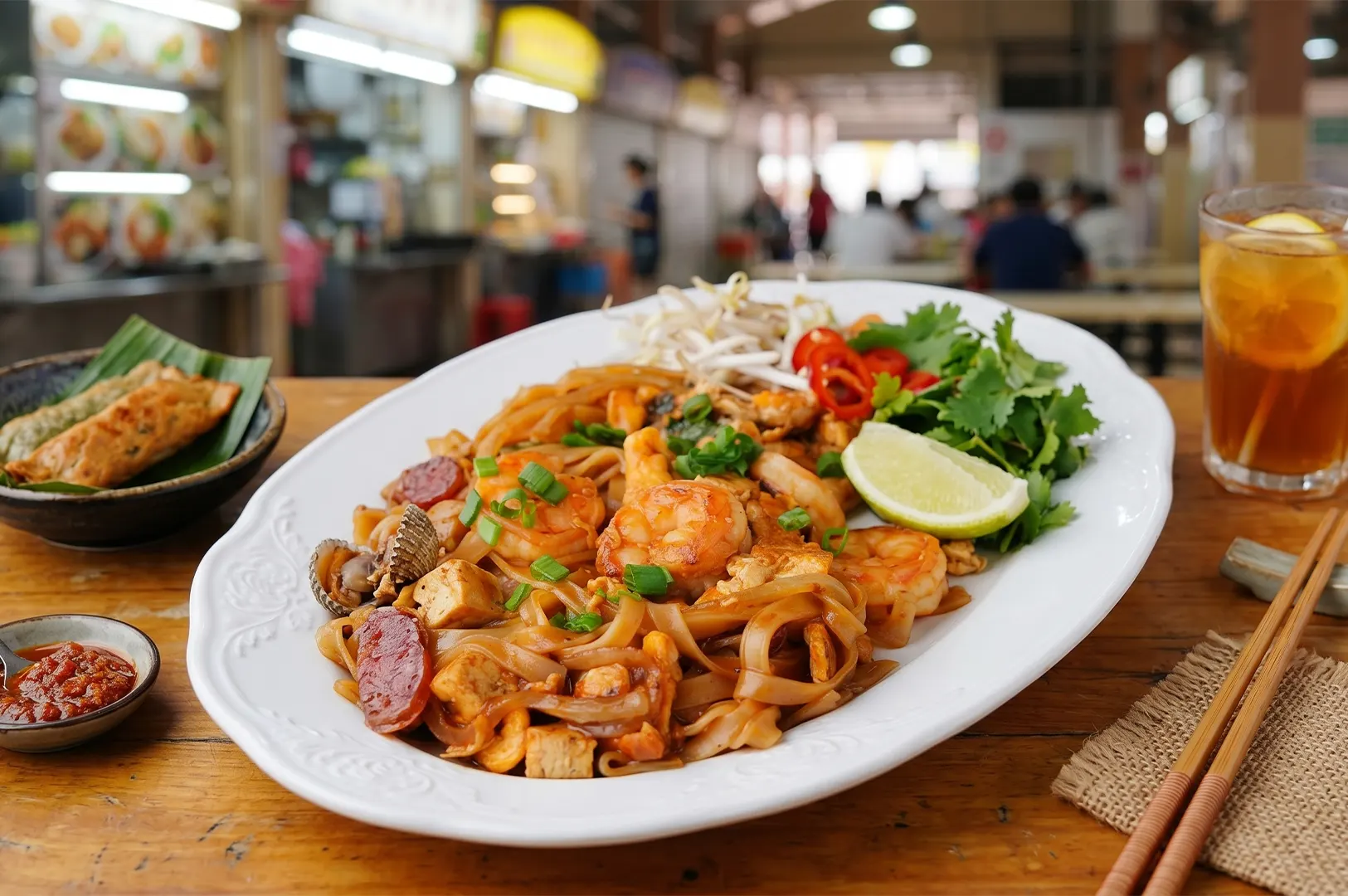
The one where the noodles cling together just right.
Where the last bite still smells like the first.
Where you sit back, slightly full, slightly emotional, and think: Yeah. Worth it.
If you’re not willing to walk for char kway teow, maybe you haven’t found the right stall yet.
And that’s where we come in.
Walk With Us
At Singapore Hawkers, we don’t just list stalls—we walk for them, queue for them, sweat for them, and eat them the way they’re meant to be eaten.
If you care about real hawker food, strong opinions, and stories told without shortcuts, click here to view our website and explore more unapologetic takes on Singapore’s most iconic dishes.
Your next 20-minute walk might just change how you eat forever.