
In Singapore, the term hawker signifies more than just a food seller; it is a cornerstone of the nation’s cultural identity, social cohesion, and culinary heritage. Across the island, Hawker Centres serve as vibrant communal dining spaces where locals and tourists converge to enjoy affordable, delicious hawker food. With over 100 hawker centers and more than 6000 hawker stalls, this food culture is deeply embedded in Singapore’s social fabric. Recognized by UNESCO as an Intangible Cultural Heritage in 2020, Singapore’s hawker centers showcase a diverse range of local foods that reflect the island’s multicultural heritage, blending Chinese, Malay, Indian, and Peranakan influences into a unique and celebrated culinary tapestry.
Defining the Hawker in Singapore’s Food Centre Scene
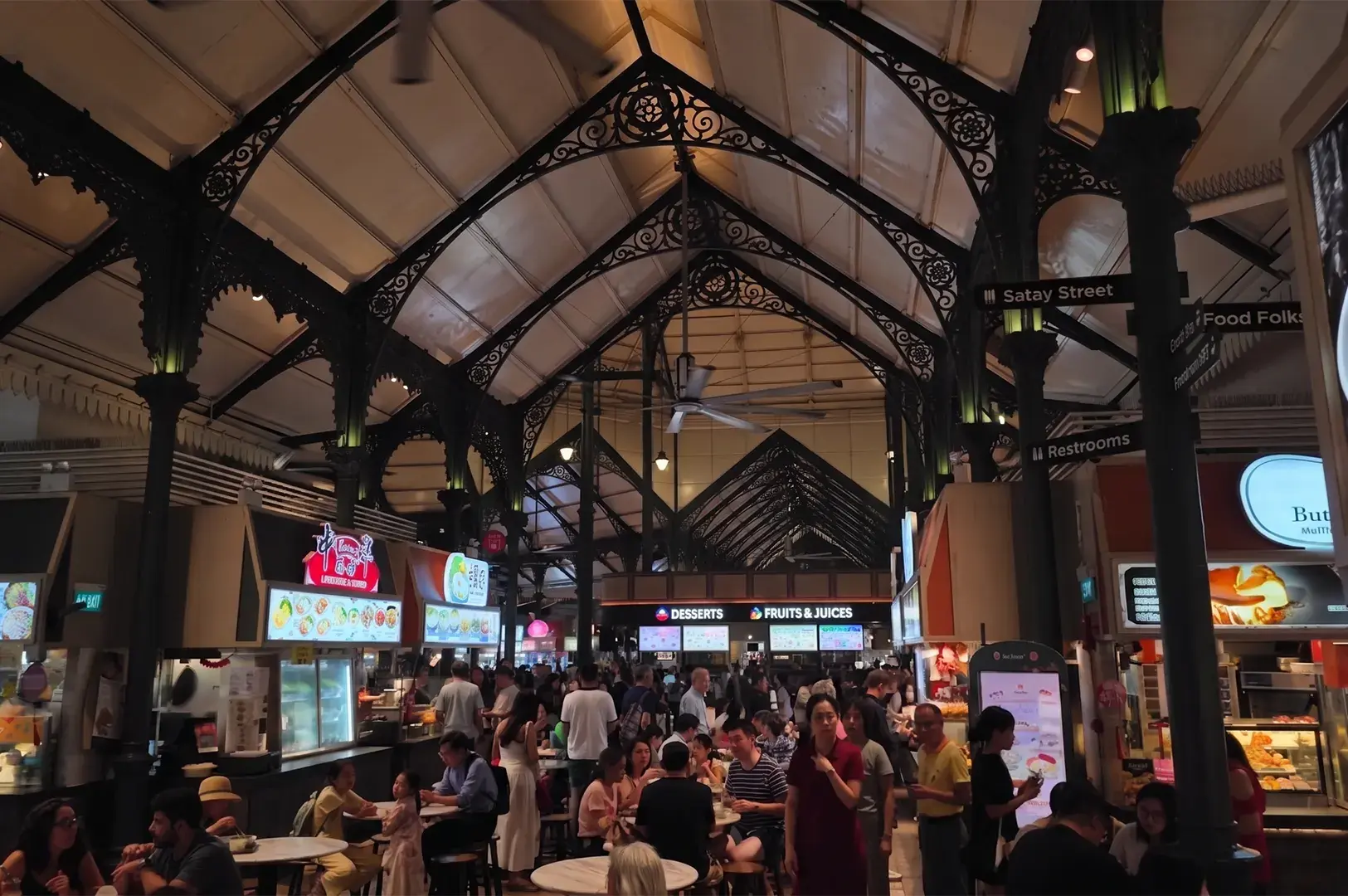
Unlike the typical image of itinerant street food vendors in other parts of Southeast Asia, Singaporean hawkers operate from fixed stalls within regulated food centres or food courts such as Maxwell Food Centre, Newton Food Centre, and Tekka Centre. These small stalls are independently owned and specialize in a narrow menu, often focusing on signature dishes like chicken rice, char kway teow, or carrot cake. This specialization allows chef owners to perfect their recipes, ensuring consistency and quality that draw loyal customers and long queues, where patrons may have to wait patiently to savor their favorite dishes.
The government’s centralization of hawkers into permanent centres during the 1960s and 70s improved hygiene and safety, transforming the hawker trade into a sustainable business model. Today, hawkers manage their own operations, from sourcing fresh produce and meat to staffing, all within a highly organized environment. This system also allows hawkers to focus on their culinary expertise while the centres provide essential infrastructure like gas, water, electricity, and seating.
For more details, check out “Hawker Centres: The Heart of Singapore’s Community Dining,” where diverse communities unite to share authentic flavors and vibrant stories.
History and Evolution of Hawker Centres
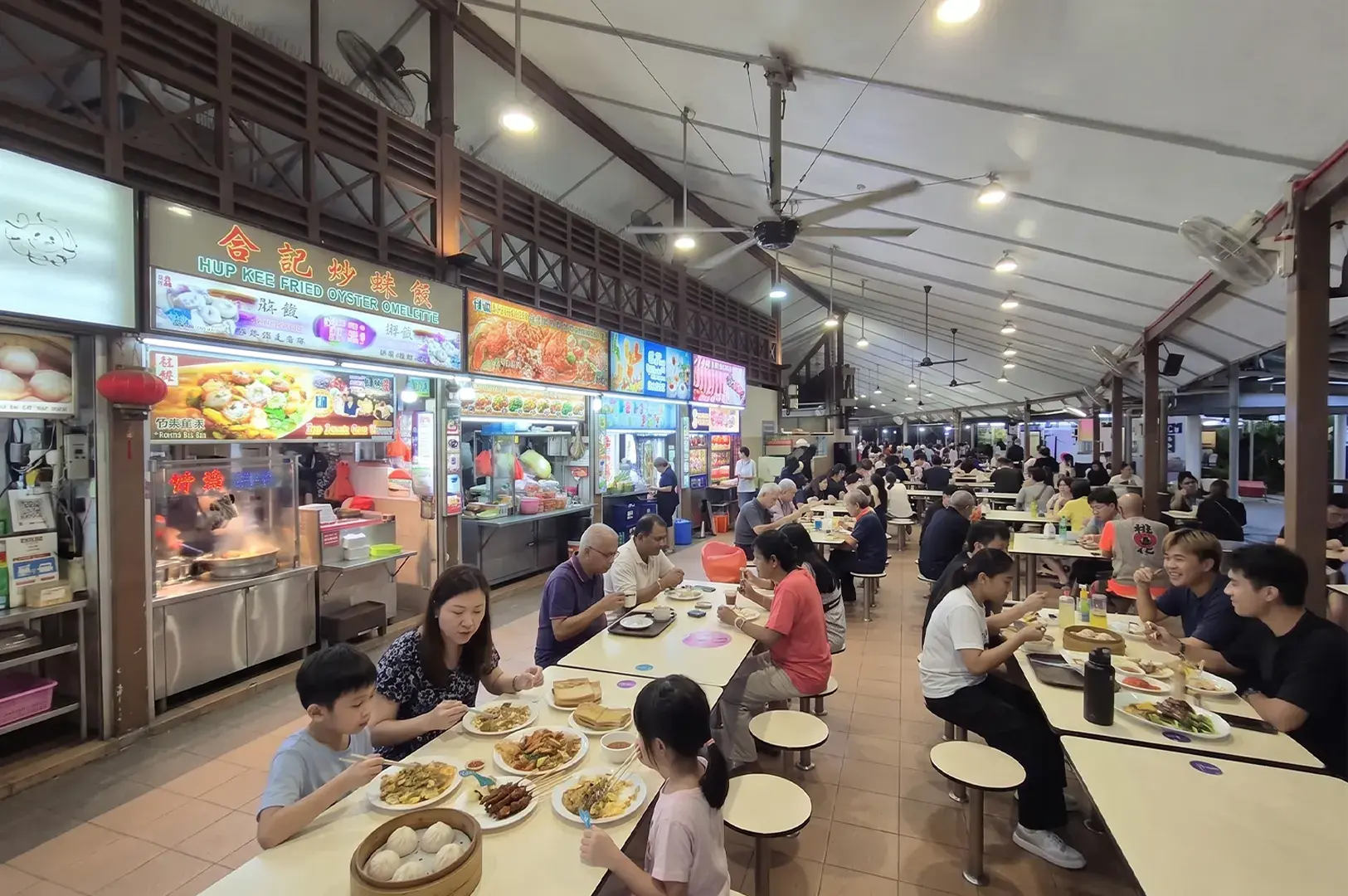
Singapore’s hawker centres evolved from street vendors who sold dishes like char kway teow and chicken wings from mobile carts. The government’s initiative to relocate these vendors into purpose-built centres, such as Newton Food Centre which opened in 1971, helped preserve culinary traditions while enhancing public health standards. These centres became community hubs where Singaporeans could gather and enjoy a variety of affordable, authentic dishes.
The rise of hawker centres also coincided with Singapore’s rapid urbanization and modernization, providing a hygienic alternative to street food while maintaining the accessibility and affordability that made street food popular. The centres are often located near markets or residential areas, making them the perfect place for a quick meal or a leisurely lunch outing. Notable hawker centres like Lau Pa Sat and Tekka Centre also feature wet markets, where hawkers and home cooks can source fresh ingredients daily, preserving the natural sweetness and quality of their dishes.
The Hawker Profession: Daily Life and Challenges
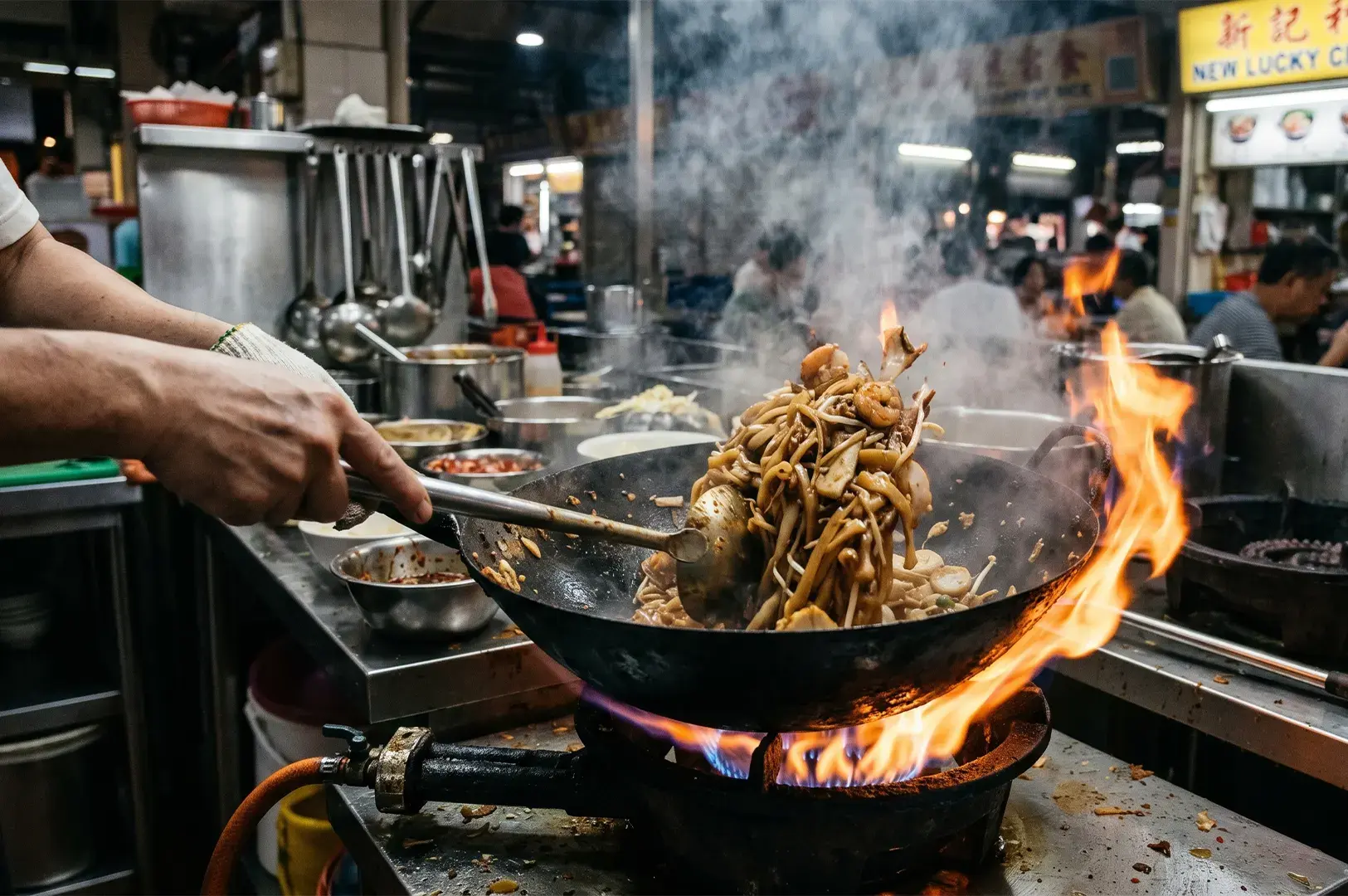
Being a hawker is a demanding profession requiring early mornings and long hours. Preparation starts before dawn, involving meticulous work such as marinating meat, simmering stocks for soup, and preparing condiments and drinks like kopi and teh tarik. The work environment is physically challenging, especially during peak meal times like lunch and morning rush hours when hawkers must serve a steady stream of customers efficiently.
Financially, hawkers operate on thin margins, balancing rising costs with the need to keep meals affordable—typically priced between S$3 and S$8. Despite these challenges, many hawkers take pride in their craft and the role they play in Singapore’s food culture. The profession is often passed down through generations, with family members learning the trade from a young age, ensuring that recipes and techniques are preserved. Some stalls have become famous for their longevity and consistent quality, earning recognition such as the prestigious Michelin star, which has helped elevate the global reputation of Singapore’s hawker food.
Must-Try Dishes at Singapore’s Hawker Centres for Your Next Food Adventures
Singapore’s hawker food scene is a treasure trove of iconic dishes that showcase the island’s multicultural influences:
- Char Kway Teow: Stir-fried flat rice noodles with egg, Chinese sausage, and cockles, known for its smoky wok hei flavor that highlights the skill of the chef owner. This dish is a staple in many hawker centres and a must-try for visitors.
- Carrot Cake (Chai Tow Kway): A savory radish cake cooked with eggs and preserved radish, often enjoyed as a breakfast or midday meal, with variations in white and black sauce versions. Its popularity spans across many hawker centres, including Maxwell Food Centre.
- Chicken Wings: Typically grilled with sambal, balancing spicy and aromatic flavors, a popular snack or accompaniment to meals. These are often found at stalls specializing in Malay or Peranakan dishes.
- Satay: Marinated skewers of meat served with a rich peanut sauce, especially popular at Satay Street in Lau Pa Sat, where the best satay stalls attract crowds nightly. The peanut sauce, made with crushed peanuts and spices, is a delicious complement to the smoky, tender meat.
- Chilli Crab: A beloved seafood dish featuring crab in a sweet, spicy, and tangy sauce, often enjoyed with fried mantou to soak up the sauce. This dish represents Singapore’s ability to fuse flavors and is a highlight for many food lovers.
- Hainanese Chicken Rice: Poached chicken served with fragrant rice, chili sauce, and ginger paste, a staple of Singapore’s food identity and a must-try at centres like Maxwell Food Centre and stalls in Tanjong Pagar.
These dishes, served on a plate or in a bowl, offer a taste of Singapore’s rich culinary heritage and are best experienced at hawker centres like Maxwell Food Centre, Lau Pa Sat, and Tekka Centre. Many of these stalls operate with specific opening hours, catering to breakfast, lunch, and dinner crowds, ensuring that visitors can enjoy authentic flavors throughout the day.
The Symbiotic Relationship Between Hawkers and Hawker Centres
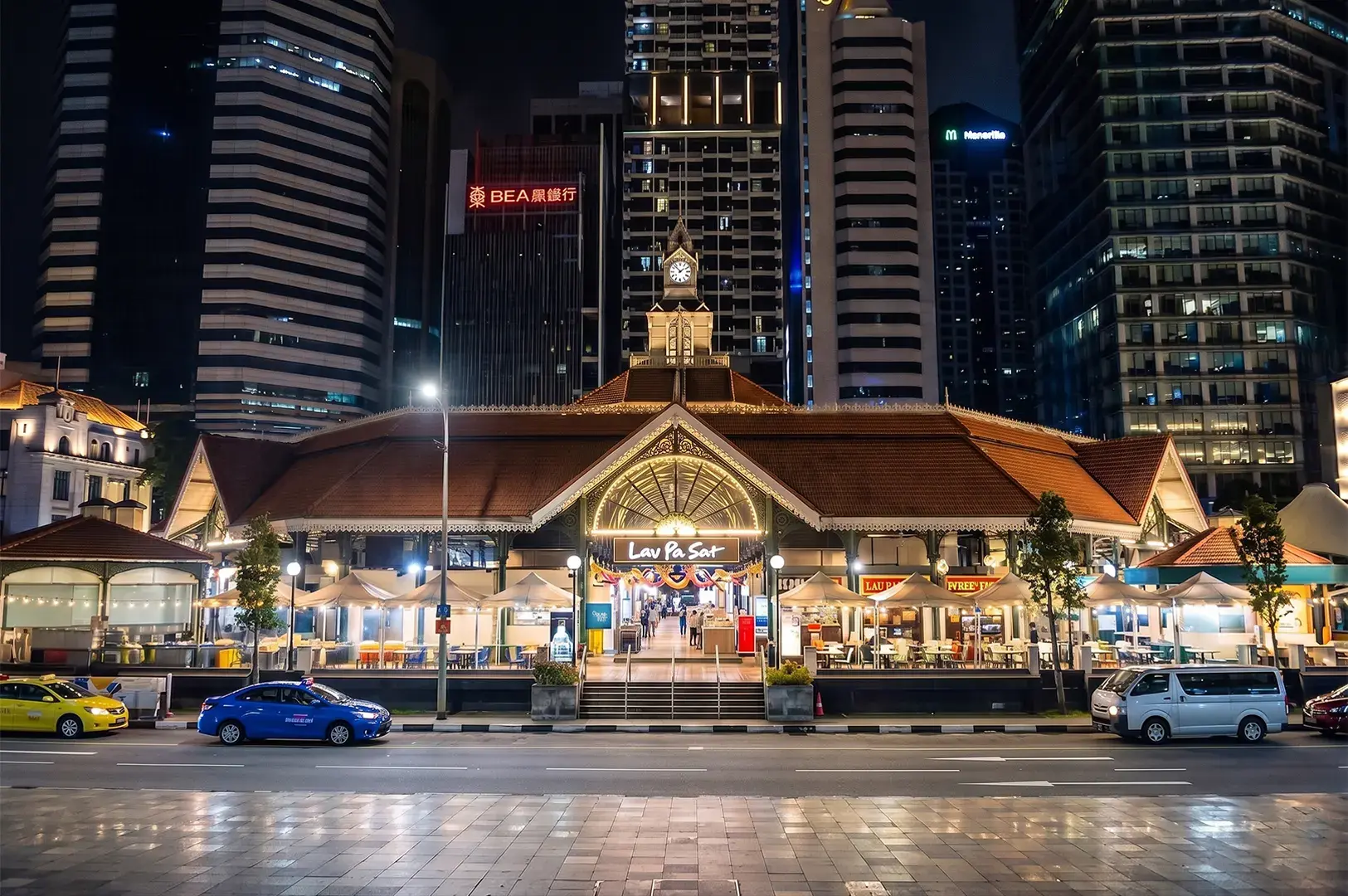
The hawker centre provides essential infrastructure—gas, water, electricity, seating—that enables hawkers to operate efficiently and hygienically. In turn, the diverse offerings from individual hawker stalls bring life and vibrancy to these communal spaces.
Famous centres such as Maxwell Food Centre in Chinatown, Lau Pa Sat in the Central Business District, and Tekka Centre in Little India are perfect examples of this dynamic. These centres house many stalls where visitors can embark on food adventures, sampling everything from satay at the best satay stalls to the famous chicken rice or char siew dishes.
The proximity of wet markets to centres like Tekka Centre supports hawkers and home cooks alike, ensuring access to high-quality fresh produce and maintaining the natural sweetness and authentic flavors of their dishes. This close relationship between markets and hawker centres reinforces the freshness and quality that define Singapore’s hawker food.
Hawker Culture and Its Role in Singapore’s Society
Singapore’s hawker culture is a unique social equalizer. In these bustling centres, people from all walks of life—CEOs, students, retirees—share tables and meals, united by their love of hawker food. The centres foster a sense of community and national identity, preserving culinary traditions while adapting to modern tastes and trends.
The popularity of hawker centres is evident in their bustling opening hours, with many stalls opening early in the morning and staying open late into the evening to cater to diverse dining needs. The communal atmosphere encourages social interaction and cultural exchange, making these centres more than just places to eat—they are vibrant social hubs.
The global spotlight on Singapore’s hawker culture, including its feature in popular media like Crazy Rich Asians, has further elevated its status, attracting food lovers worldwide to experience authentic Singapore’s hawker centers.
Challenges and the Future of Hawkers in Singapore
The hawker trade faces challenges including an aging population of hawkers, rising costs, and the need to embrace modernization such as digital payments and online delivery. However, a new generation of young hawkers—often called “hawkerpreneurs“—is revitalizing the scene by blending traditional recipes with innovative ideas, ensuring the culture’s survival.
Efforts to support hawkers include government grants, training programs, and initiatives to promote hawker food internationally. These measures aim to preserve the authentic tastes and techniques that have earned some stalls prestigious accolades, including the coveted Michelin star.
Moreover, the presence of restaurants inspired by hawker cuisine is growing, bridging casual dining and hawker traditions, and introducing these flavors to new audiences. The balance between preserving tradition and embracing innovation continues to define the future of Singapore’s hawker culture.
Conclusion
The hawker is more than a food vendor; they are artisans, entrepreneurs, and custodians of Singapore’s culinary heritage. Together with the hawker centres, they create a vibrant ecosystem that defines Singapore’s food landscape. Whether you are visiting Singapore or a local, exploring these centres offers a perfect place to eat, discover diverse dishes, and experience the heart of the island’s culture.