
In Yishun, nasi lemak is not treated as a trend, a novelty, or a weekend indulgence. It is everyday food in the truest sense of the phrase—quietly dependable, deeply familiar, and woven into the rhythms of daily life. Ask what counts as good food in Yishun, Singapore, and nasi lemak will surface almost instinctively, not because it is fashionable, but because it is trusted. Nasi lemak is characterized by rice cooked in coconut milk and pandan leaves, resulting in a rich texture and distinct aroma.
This is not about declaring a single stall the best, or ranking plates by sambal intensity or coconut fragrance. Instead, this is about understanding why nasi lemak has become one of Yishun’s signature dishes, and how it reflects the neighbourhood’s relationship with food: practical, comforting, and deeply rooted in routine. Yishun Park Hawker Centre’s food scene is diverse, with trendy cafés, local eateries, and a welcoming atmosphere that makes it an ideal place to explore culinary delights. The communal experience of dining at a food centre in Yishun further highlights the variety and authenticity of local cuisine enjoyed together.
Introduction to Yishun’s Good Food
Located in Singapore’s northern district, Yishun represents a neighbourhood where culinary diversity forms an integral part of the local landscape. While it may not feature prominently in mainstream food guides, the area offers a comprehensive range of dining options that reflect Singapore’s multicultural heritage. From established hawker centres to traditional coffee shops, Yishun’s food scene demonstrates the characteristics of community-focused dining—accessible, substantial, and consistently reliable.
Central to the neighbourhood’s culinary offerings is nasi lemak, a dish that exemplifies comfort food traditions in the region. The preparation features coconut milk-infused rice served alongside sambal chilli, fried chicken wings, and complementary side dishes. Establishments such as Chong Pang Nasi Lemak have developed recognition for their fried chicken preparations and portion sizes that meet local expectations. Whether seeking spiced dishes or seeking rice-based meals with traditional accompaniments, Yishun’s nasi lemak vendors provide consistent quality that aligns with community dining preferences. This represents food that serves fundamental comfort needs—well-prepared, recognisable, and dependably satisfying.
A Dish That Matches the Pace of the Neighbourhood
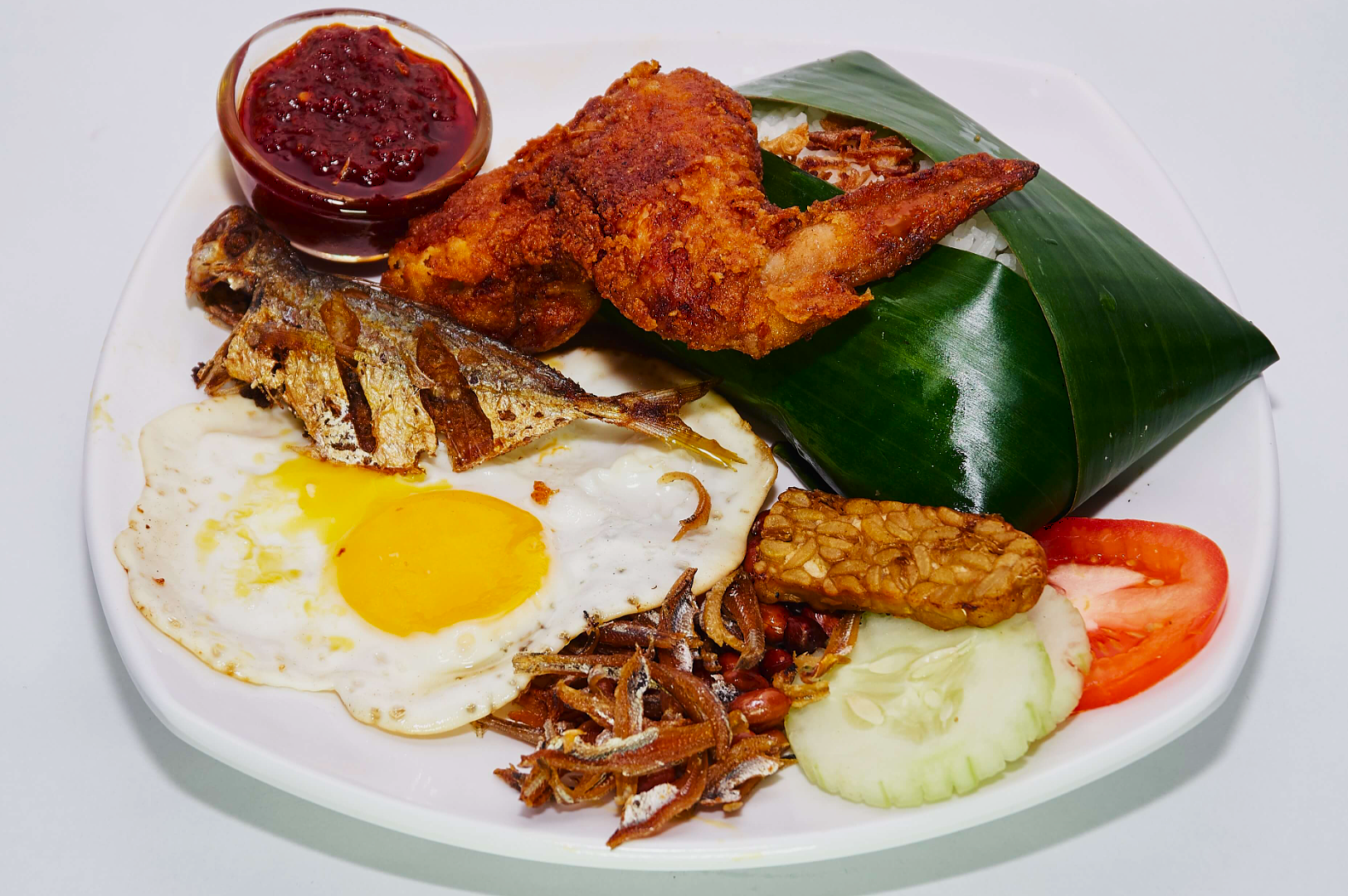
Yishun is often described through its residential character. It is a place shaped by daily commutes, school schedules, morning walks, and quiet evenings. The food culture here mirrors that pace, and nasi lemak fits into it naturally.
As a dish, nasi lemak is complete without being complicated. Typical key components of nasi lemak include coconut rice, sambal, ikan bilis, peanuts, boiled or fried eggs, and cucumber, along with a protein of choice—it delivers warmth, energy, and satisfaction in a single plate. In Yishun, that balance matters. People are not looking to be impressed; they are looking to be fed well.
In Yishun, nasi lemak is commonly sold at hawker centers as an affordable meal option priced between $3 and $5.
This is why yishun nasi lemak resonates so strongly. It is filling without excess, flavourful without being overwhelming, and familiar enough to return to again and again. During peak meal hours, queues can be long, reflecting its popularity among locals.
Comfort Over Ceremony
Unlike dishes that demand attention or explanation, nasi lemak does not ask much of the diner. It can be eaten quickly before work, enjoyed as a satisfying lunch, or savored slowly over conversation. It works equally well in the morning, at lunch, or later in the day. It does not require planning.
Many nasi lemak stalls in Yishun offer a varied menu, catering to different preferences with a range of side dishes and beverage options.
That flexibility has allowed nasi lemak to embed itself deeply into Yishun’s food identity. It becomes the default choice when decisions feel unnecessary. When people say they want “something reliable,” this is often what they mean.
In this way, nasi lemak represents good food in Yishun, Singapore not because it is exceptional, but because it is consistent. And consistency, in a neighbourhood context, builds loyalty over time.
Familiarity as a Measure of Quality
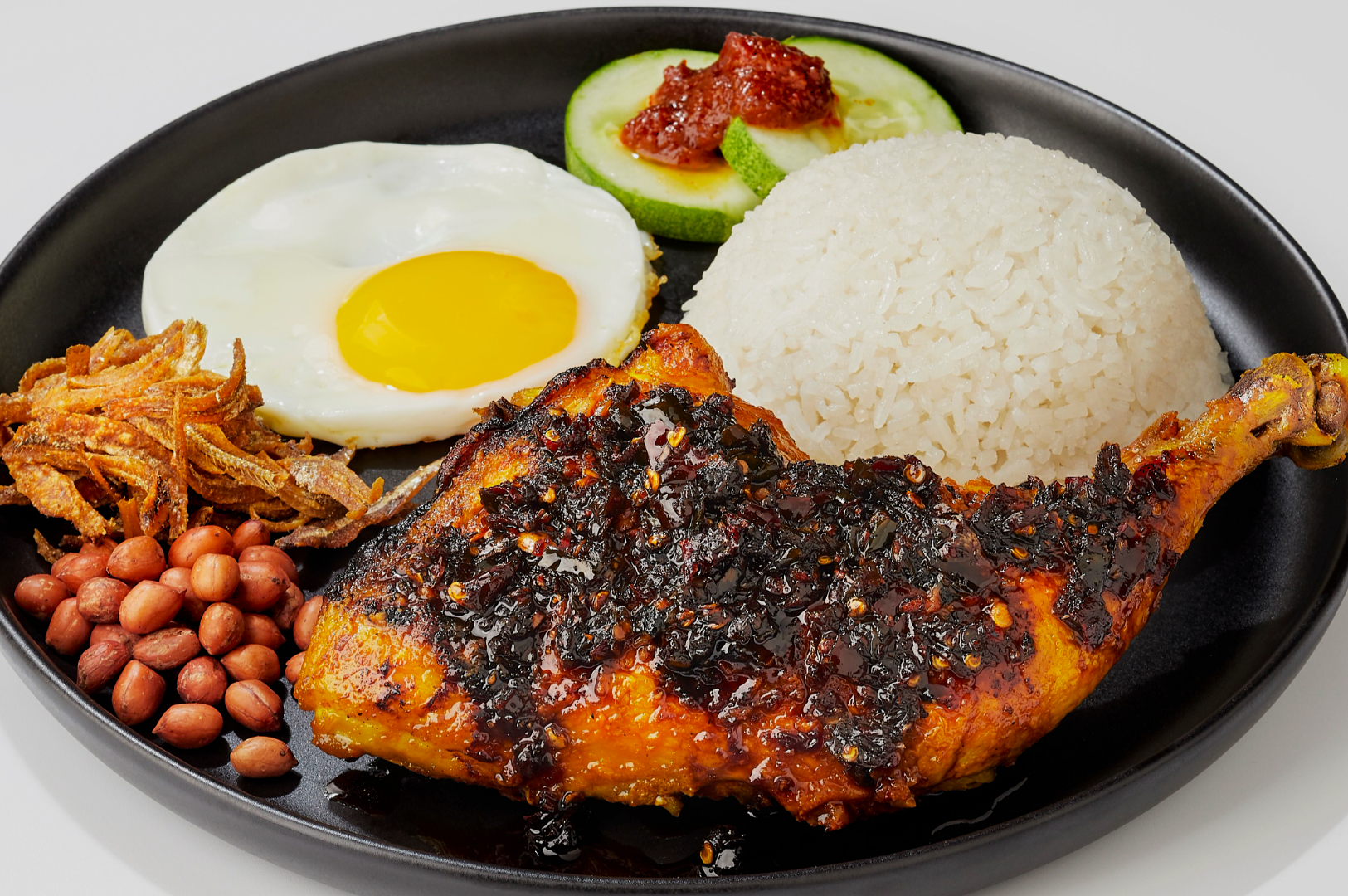
One of the reasons nasi lemak feels so closely tied to Yishun is that it is rarely approached as a one-off experience. It is repeat food. Food you return to without thinking too hard.
That repetition creates a relationship between diner and dish. Small differences are noticed over time—the fragrance of the rice on certain days, the heat level of the sambal, the way the components like peanuts come together. Each bite offers a familiar combination of flavors and textures, from the crunch of peanuts to the tenderness of the chicken, making the experience both comforting and satisfying. These observations are not made for comparison or critique, but out of familiarity.
In Yishun, nasi lemak becomes less about novelty and more about trust. You order it knowing what you will get, and that assurance is part of its appeal.
Popular Eateries in Yishun
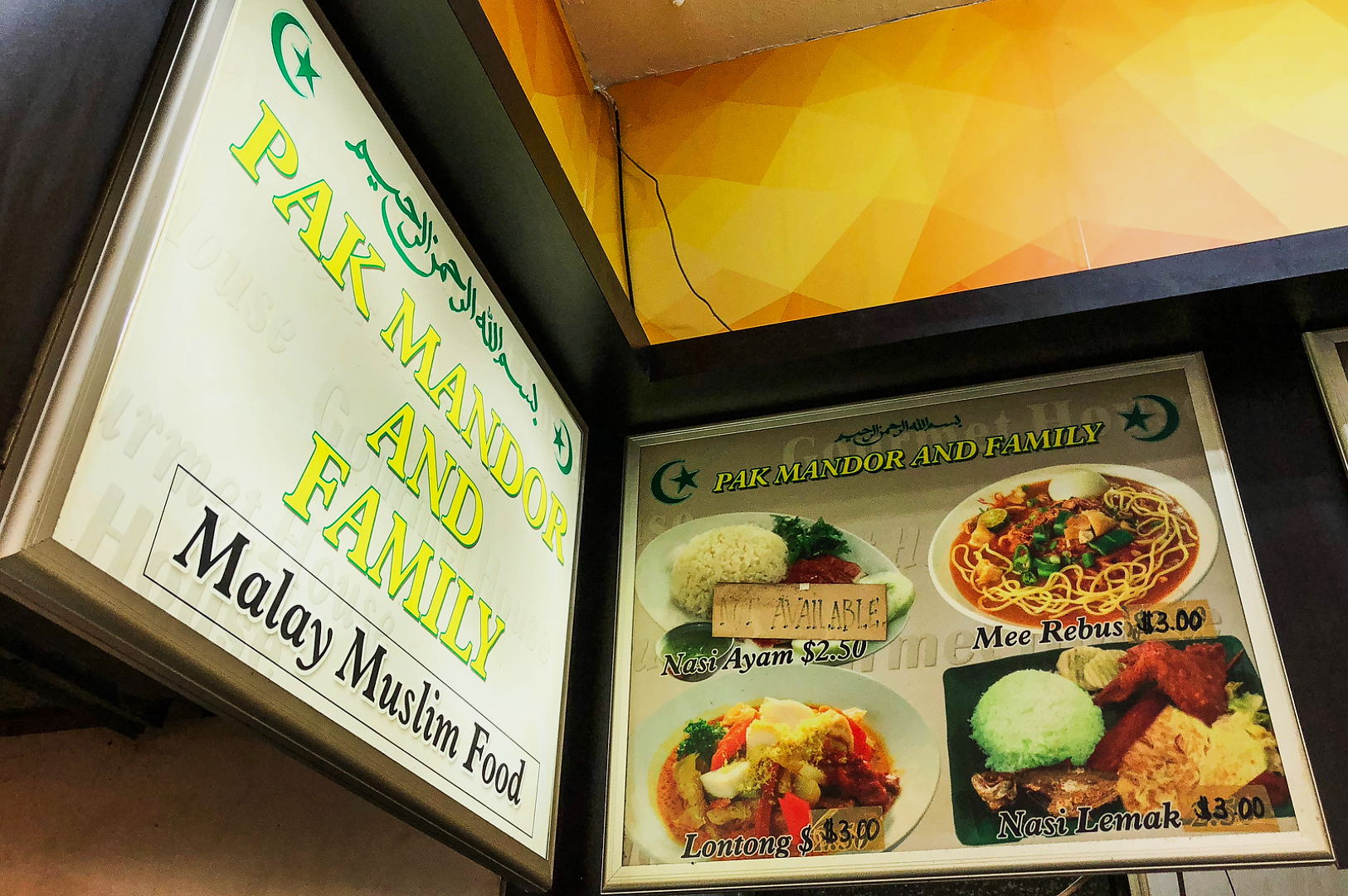
Yishun represents a notable concentration of diverse dining establishments that reflect Singapore’s broader hawker culture and food traditions. The Yishun Park Hawker Centre serves as a central gathering point where we find representative examples of local staples including laksa, chicken rice, and carrot cake. Pak Mandor Nasi Lemak operates within this landscape, offering traditional preparations that demonstrate the authentic approach to this foundational dish, providing visitors with access to established flavors and time-tested preparation methods.
The area’s food offerings extend beyond traditional hawker fare to include contemporary adaptations and specialized establishments. Holy Cow Creamery has developed a reputation for creative ice cream preparations, including flavors such as osmanthus lychee and teh tarik, which bridge traditional tastes with modern dessert formats. At Chong Pang Market, the selection encompasses familiar options like bee hoon and wanton mee, alongside regional specialties such as ayam taliwang for those seeking spicier preparations. Collectively, Yishun’s dining establishments represent the characteristic range found throughout Singapore, encompassing both foundational dishes and contemporary interpretations that reflect the evolving nature of local food culture.
A Shared Reference Point
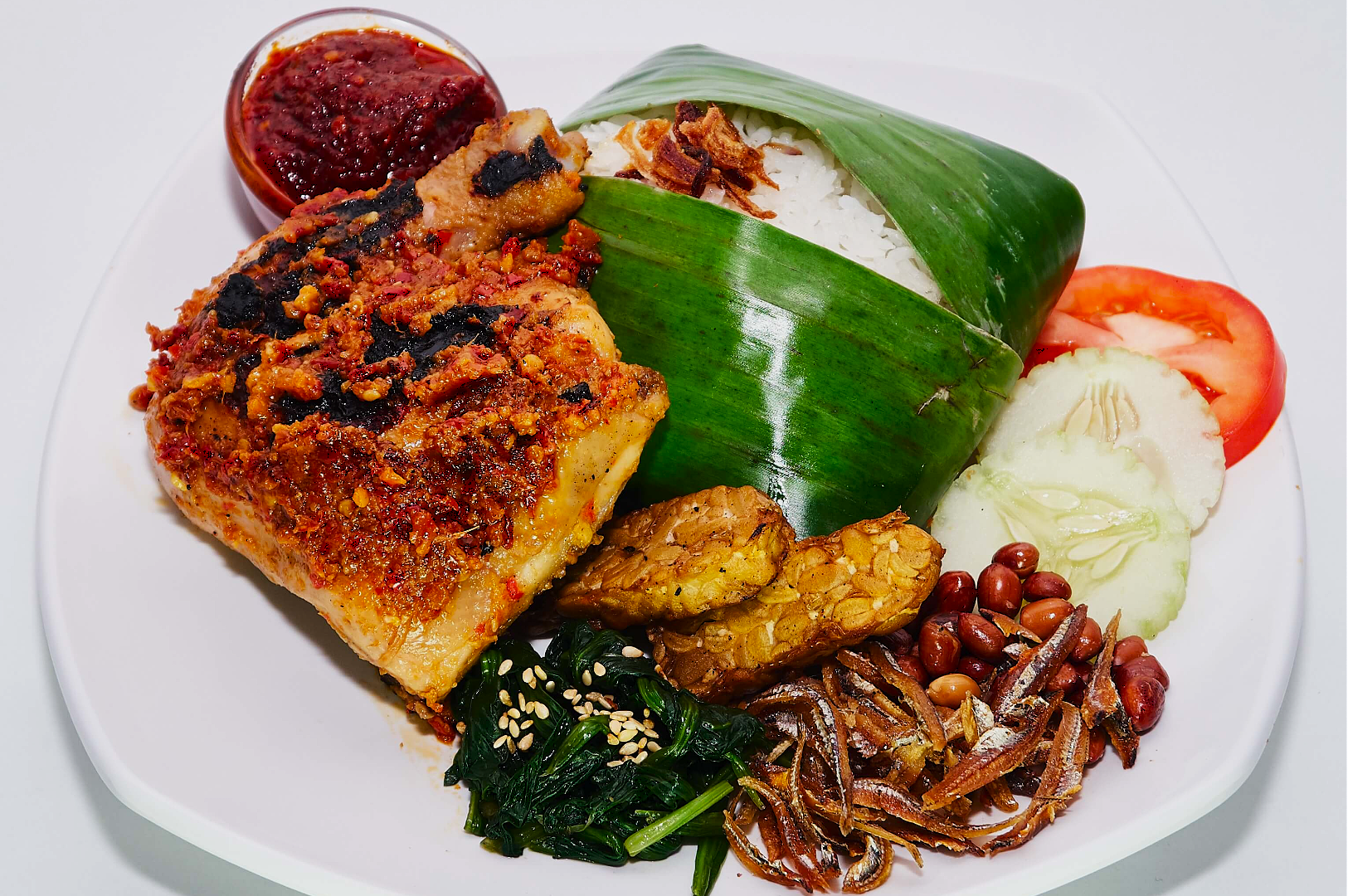
Every neighbourhood has dishes that act as shared reference points—foods that cut across age, background, and routine. In Yishun, nasi lemak serves that role.
It is eaten by students before school, by workers during breaks, by families on weekends, and is especially popular among army boys stationed at nearby camps. It appears at different times of day and in different contexts, but always with the same sense of belonging.
This shared familiarity gives nasi lemak a quiet cultural weight. It becomes part of how people understand food in the area, not as a destination dish, but as a neighbourhood constant.
Why It Endures
Trends come and go, even in hawker culture. New interpretations, modern twists, and limited-time offerings pass through neighbourhoods regularly. Nasi lemak, however, remains.
Its endurance in Yishun comes from its adaptability without losing identity. The core of the dish stays the same, even as individual elements vary. Nasi lemak can be found in both hawker centers and restaurants, showing its versatility and appeal to a wide range of diners. Long queues are common at popular nasi lemak stalls, reflecting the dish’s enduring appeal and the willingness of people to wait for a taste. This balance between stability and flexibility mirrors the way Yishun itself has evolved—changing gradually, without abandoning its character.
To understand the broader context of how Yishun’s food spaces developed alongside the community, “Yishun Park Hawker Centre: A Neighbourhood Hawker Story” offers a deeper look at the place where many of these everyday food habits unfold. Nasi lemak exists comfortably within that larger story, not as a headline, but as a presence.
Chong Pang Nasi Lemak as Everyday Heritage
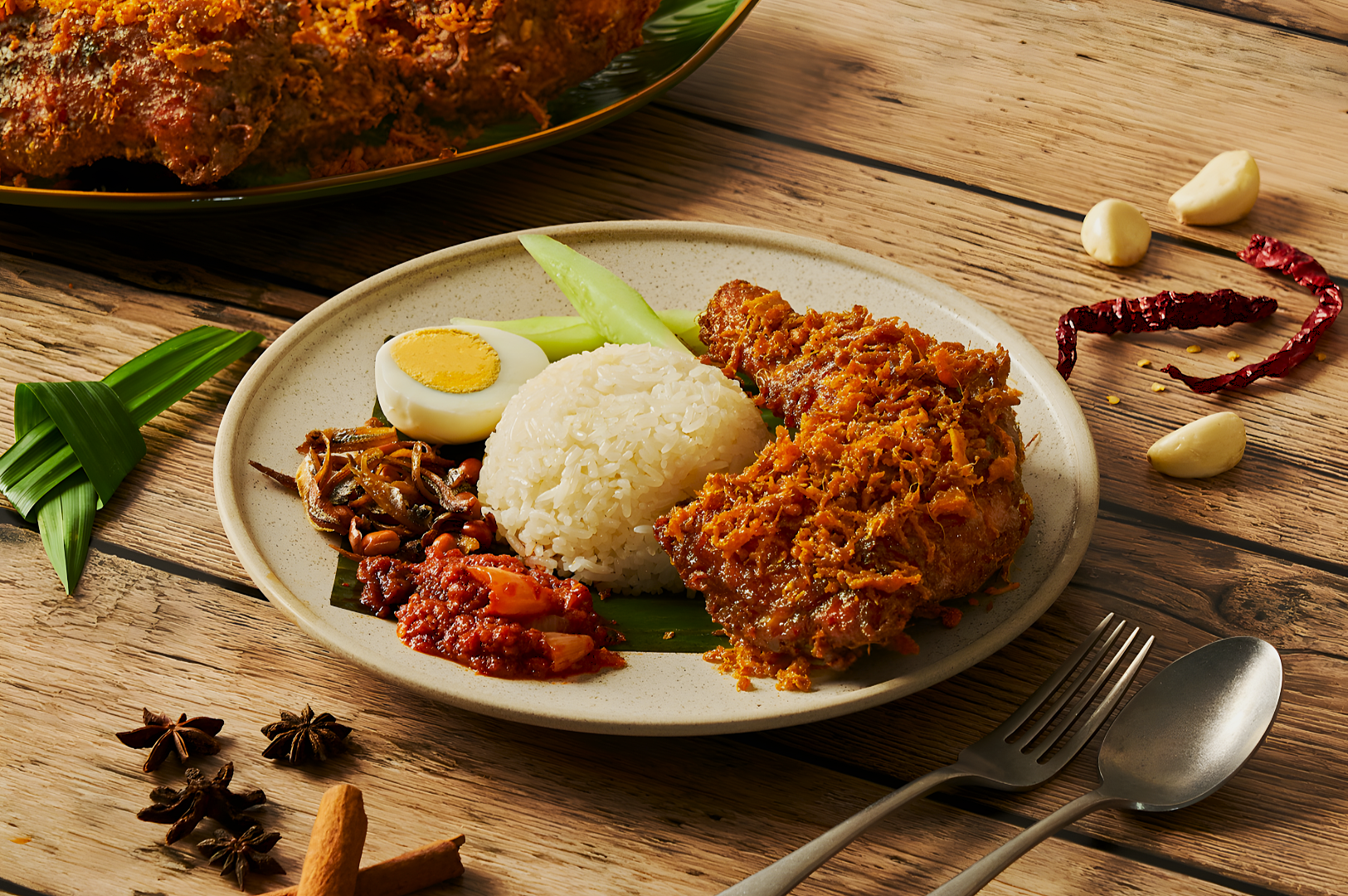
When people talk about food heritage, they often focus on age, rarity, or spectacle. But there is another kind of heritage—one built through repetition and routine.
In Yishun, nasi lemak functions as everyday heritage. It is not preserved behind nostalgia or ceremony. It lives through constant use. Each plate reinforces its place in the neighbourhood’s identity. Some stalls even offer unique side dishes such as yam, reflecting the evolving heritage of nasi lemak in Yishun.
This is why it continues to feel relevant. Not because it has been elevated, but because it has never needed to be.
A Dish That Belongs Where It Is
Nasi lemak in Yishun does not need reinvention. It does not need constant reinvention to justify its place. It belongs because it has always belonged, with many beloved nasi lemak stalls found along Yishun Ave, anchoring the dish in the heart of the neighbourhood.
That quiet confidence is what makes it a signature dish—not because it dominates attention, but because it supports the neighbourhood without demanding anything in return.
Hidden Gems of Yishun: Discovering Lesser-Known Delights
Beyond the well-known nasi lemak stalls and popular hawker centres, Yishun harbours a number of hidden gems waiting to be discovered by adventurous food lovers. These lesser-known spots often serve up dishes with generous portions, rich flavours, and that unmistakable wok hei that defines authentic local cooking.
Tucked away along Yishun Ring Road and Yishun Street 61, you can find quaint eateries offering specialties like fragrant fried rice, white bee hoon, and hearty porridge that provide comforting meals away from the crowds. Many of these hidden gems pride themselves on using fresh ingredients and traditional recipes, creating bowls of broth and plates of noodles that taste like home.
For dessert enthusiasts, places like Holy Cow Creamery and No Horse Run Gelato offer unique, artisanal options such as single scoop gelatos with sweet local flavors, crispy waffles, and innovative blends like osmanthus lychee. These spots add a modern twist to Yishun’s food scene while maintaining a cozy, community feel.
Exploring these hidden gems not only reveals delicious food but also offers a chance to experience the warmth and authenticity that define Yishun’s culinary landscape.
Explore More Stories of Everyday Food
At Singapore Hawkers, we believe the most meaningful food stories are often found in the everyday dishes people return to without thinking twice.
Sometimes, the most important food stories are not about what stands out—but about what stays.