
I often hear people debating whether a certain bowl of prawn noodles or plate of char kway teow is truly authentic. We argue about the exact type of soy sauce used, the precise thickness of the noodles, or whether the chili paste has enough kick. But the more time I spend talking to the uncles and aunties behind these stalls, the more I realize that authenticity is not just a strict list of ingredients. It is the dedication to a process.
When I think about authentic hawker food, I think about the sheer amount of time that goes into a single bowl. I think of the hawkers who wake up at three in the morning to boil pork bones for hours until the broth turns a milky, rich white. I think about the deliberate, repetitive stirring of a giant wok of kaya over a slow fire. That invisible labor is the real secret ingredient. It is the stubborn refusal to take the easy way out when a cheaper, faster alternative exists.
However, our beloved food scene is facing a very real crisis. Ingredients are getting more expensive; rent is increasing, and the younger generation is naturally hesitant to take on such backbreaking work. Some hawkers have to adapt by using machines to grind their spices or by switching to different suppliers when old ones permanently close down. Some ‘food purists’ might call this losing our authenticity. I strongly disagree. If a machine saves an aging hawker from severe joint pain while keeping the family flavor profile exactly the same, that dish is still completely authentic to me. The soul of the food remains entirely intact.
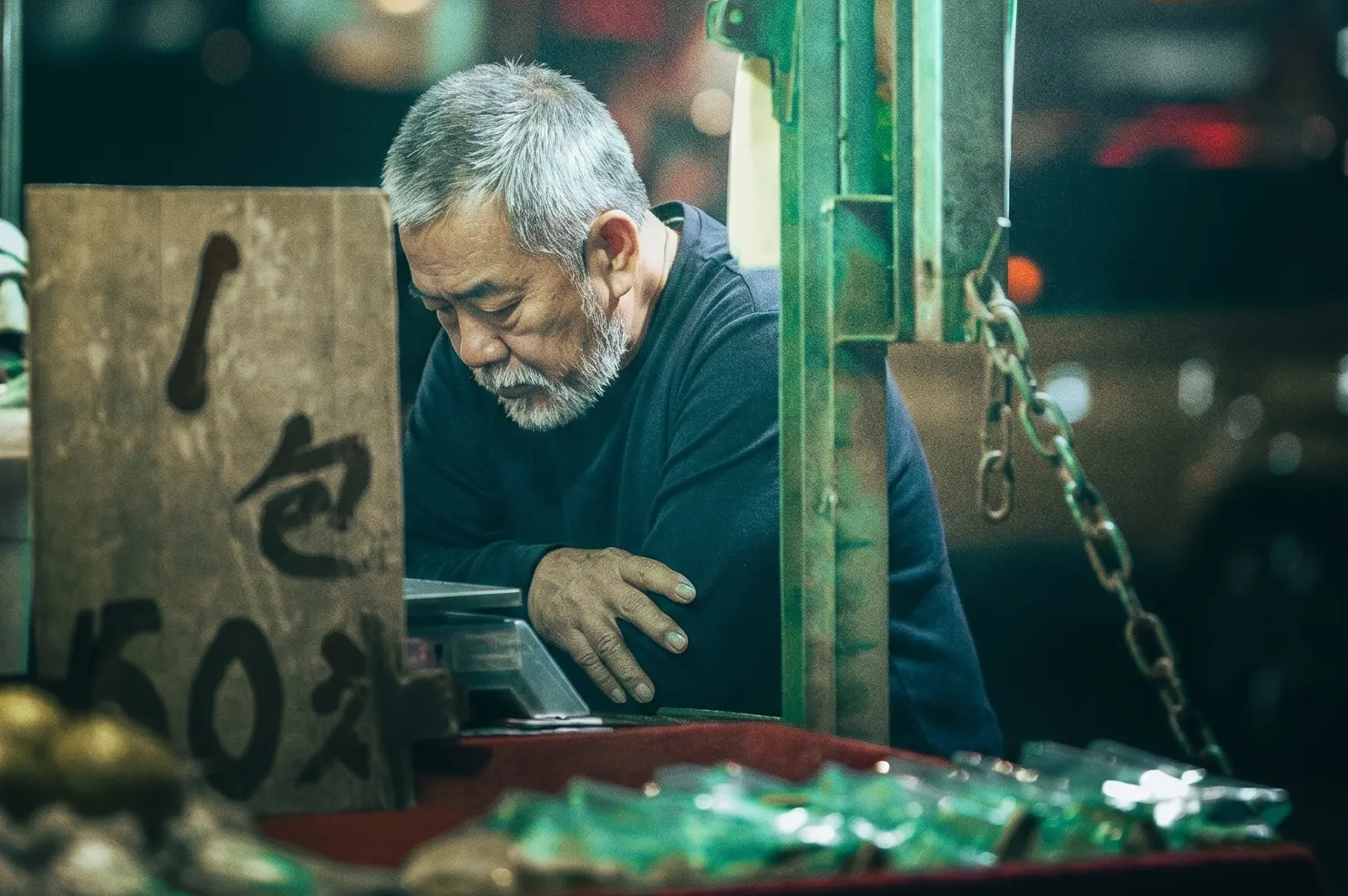
The real threat to our local food is not a mechanical spice blender. The real threat is our own expectation that hawker food must stay incredibly cheap forever. We willingly pay twenty dollars for a mediocre cafe pasta; yet we complain loudly when a hawker raises their price by fifty cents just to cope with rising daily costs. If we truly want to protect what makes our food culture so special, we have to start paying what it is actually worth. We need to respect the craft just as much as we respect a trained chef in a fancy restaurant.
Protecting our heritage also means showing up. It means choosing the hot, noisy food centre over the quiet, air-conditioned mall food court. It means bringing our friends and children to these stalls, introducing them to the hawkers, and teaching them the stories behind the food they are eating. We vote for the survival of these dishes with our wallets and our daily choices.
If you want to discover more stories about the passionate individuals keeping our culinary heritage alive, click here to visit us at the Singapore Hawkers website today.