
I used to think hawker culture was something that would always be there.
It was easy to believe that. Hawker centres were part of the background of everyday life. Breakfast before school, lunch during work, dinner when nobody at home wanted to cook. The same stalls, the same familiar queues, the same aunties and uncles who seemed to know exactly how much chilli each customer wanted.
But the older I get, the more I realise that hawker culture does not continue by itself. It continues because someone chooses to wake up early, stand over heat, repeat the same recipe, and serve it with care. It continues because skills are passed down, not only through written instructions, but through watching, tasting, failing, and trying again.
That is why young cooks matter.
When I see younger hawkers entering the trade, I feel a quiet kind of hope. They are not only selling food. They are choosing a difficult path in a world that often measures success through comfort, speed, and convenience. Hawker work is not easy. The hours are long, the margins can be tight, and the pressure to meet public expectations is real. Yet some young cooks still step forward because they believe the food is worth protecting.
We need to nurture them better.
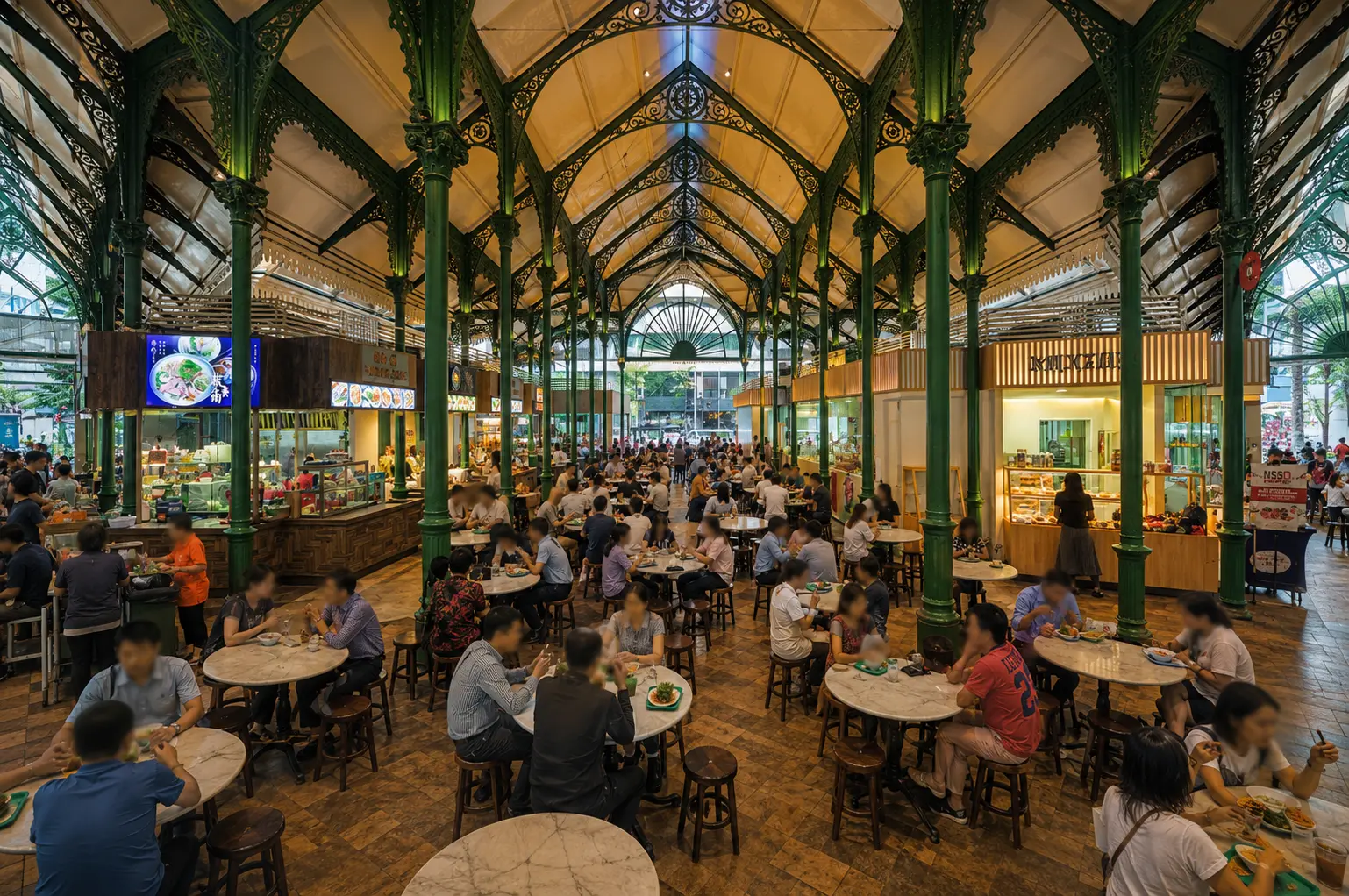
Preserving hawker culture should not mean asking young cooks to copy the past exactly. It should mean helping them understand why the past matters. A bowl of fishball noodles is not only about fishballs and noodles. Chicken rice is not only about poached chicken and fragrant rice. These dishes carry family routines, neighbourhood memories, migration stories, and years of quiet skill.
Young cooks should be encouraged to respect that foundation before they innovate. There is nothing wrong with new flavours, better branding, online ordering, or cleaner stall designs. In fact, these changes may help hawker food reach a new generation. But innovation should not erase the heart of the dish. The taste, discipline, and humility behind hawker cooking must remain.
As diners, we also have a role to play. We cannot keep saying we want hawker culture to survive while refusing to pay fairly for the labour behind it. We cannot praise tradition only when it is cheap. If a young hawker is putting in honest work, learning an old recipe, or building on a family stall, that effort deserves patience and support.
I hope more families, schools, and communities will treat hawker work with pride. Not as a last resort, but as a meaningful craft. A young person who chooses to cook for Singapore is not stepping backwards. They may be carrying something forward.
The future of hawker culture will not be saved by nostalgia alone. It will be saved by training hands, open minds, fair support, and young cooks who understand that every plate they serve is part of a larger story.
“Heritage survives when the next generation learns not only the recipe, but the reason behind it.”
Visit Singapore Hawkers for more stories that celebrate the people, dishes, and traditions shaping Singapore’s hawker culture.