
We look up at the towering glass skyscrapers that define modern Singapore. Everything around us is changing very quickly. New shopping malls open, old apartment blocks get torn down, and the streets grow busier every single year. Yet, when we walk into a local hawker centre, time seems to slow down. We sit on the familiar hard plastic chairs and realize why people hold onto this culture so tightly. The fear of losing our hawker centres is a frequent topic of conversation across the island. It is not just about the loss of an affordable meal; it is about losing our shared home.
To us, a hawker centre is the ultimate social equalizer. You can easily spot a corporate manager in a crisp shirt sharing a round table with an elderly cleaner. They both sweat under the same spinning ceiling fans, and they both eat the exact same bowl of fishball noodles. In a city that is constantly chasing progress, these open-air spaces remind us that we all belong to the exact same community. We fear losing this culture because we fear losing our daily connection to each other. When an old stall shuts down, we do not just lose a tasty recipe. We lose a reliable neighborhood meeting point.
The emotional weight is heavy because the threat feels very real right now. We regularly speak to aging hawkers who have stood behind the same wok hei for forty years. Their hands are tired, and their ingredients cost more every month. Many of them do not have children who want to take over the heavy physical labor. When we see a small sign announcing a sudden closure, we feel a genuine sense of grief. A piece of our personal history simply vanishes overnight. We remember eating at these specific stalls when we were small children; now, we worry that the next generation will never understand that simple, everyday joy.
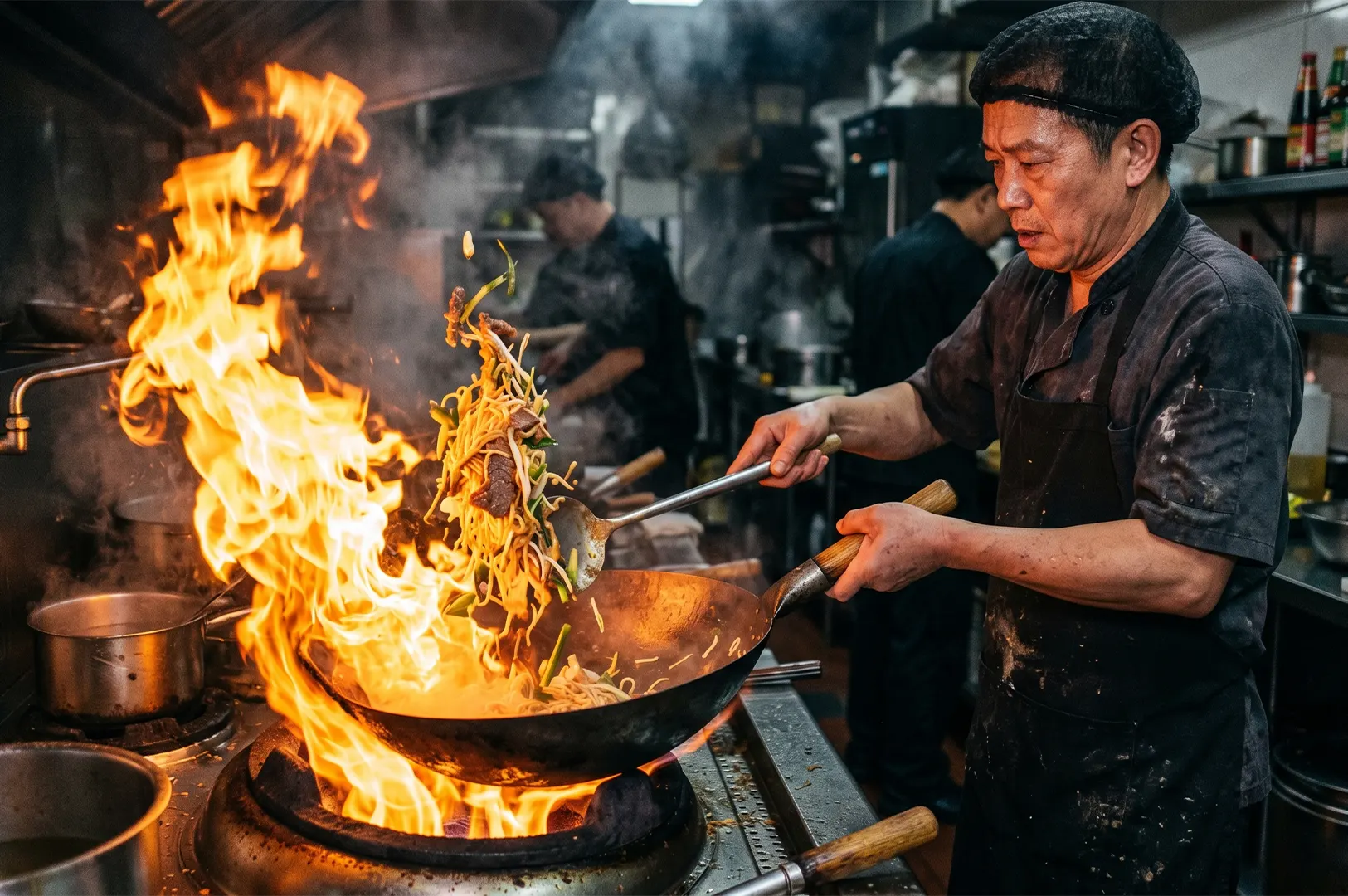
Food in Singapore is a universal language that connects the past to the present. The sharp smell of frying garlic, the loud clatter of metal trays, and the sudden bursts of dialect spoken across the counter form our collective memory. We are deeply afraid to let that go. We want our communities to know what a real, noisy, and unpolished neighborhood actually feels like. If we eventually replace all our hawker centres with quiet, air-conditioned restaurants, our city will permanently lose its heart. We hold onto our hawker culture because it keeps us grounded in a world that is spinning entirely too fast.
To read more stories about the people keeping our heritage alive, please visit the **http://singaporehawkers.com.sg/** website today.