There’s a sound that defines a perfect Singapore morning. It’s the gentle crackle of thin slices of bread, toasted to a golden brown crisp over a charcoal grill—a traditional method that imparts a distinctive smoky flavor and texture. It’s the soft squish as a generous slab of cold butter meets a warm, fragrant spread of kaya jam, a rich coconut-pandan coconut jam made with coconut cream. This is the simple, soul-satisfying magic of Singapore kaya toast, a breakfast ritual that is as Singaporean as it gets. Paired with two soft boiled eggs seasoned with soy sauce and white pepper, and a robust cup of local kopi or teh tarik from a traditional coffee shop, this humble dish is more than just a meal; it’s a national treasure.
While modern cafes like Toast Box offer their own take, the most authentic kaya toast experience is found in the bustling, unpretentious heart of the city’s culinary scene: Singapore’s hawker centers. These open air food courts are home to passionate street food vendors and hawker stalls who have perfected the art of this beloved hawker food. This guide will take you on a journey to the best hawker centres and food stalls in Singapore to satisfy your kaya toast cravings, from legendary institutions like Ya Kun Kaya Toast to hidden local gems.
Introduction to Singapore’s Hawker Centres and Food Centres
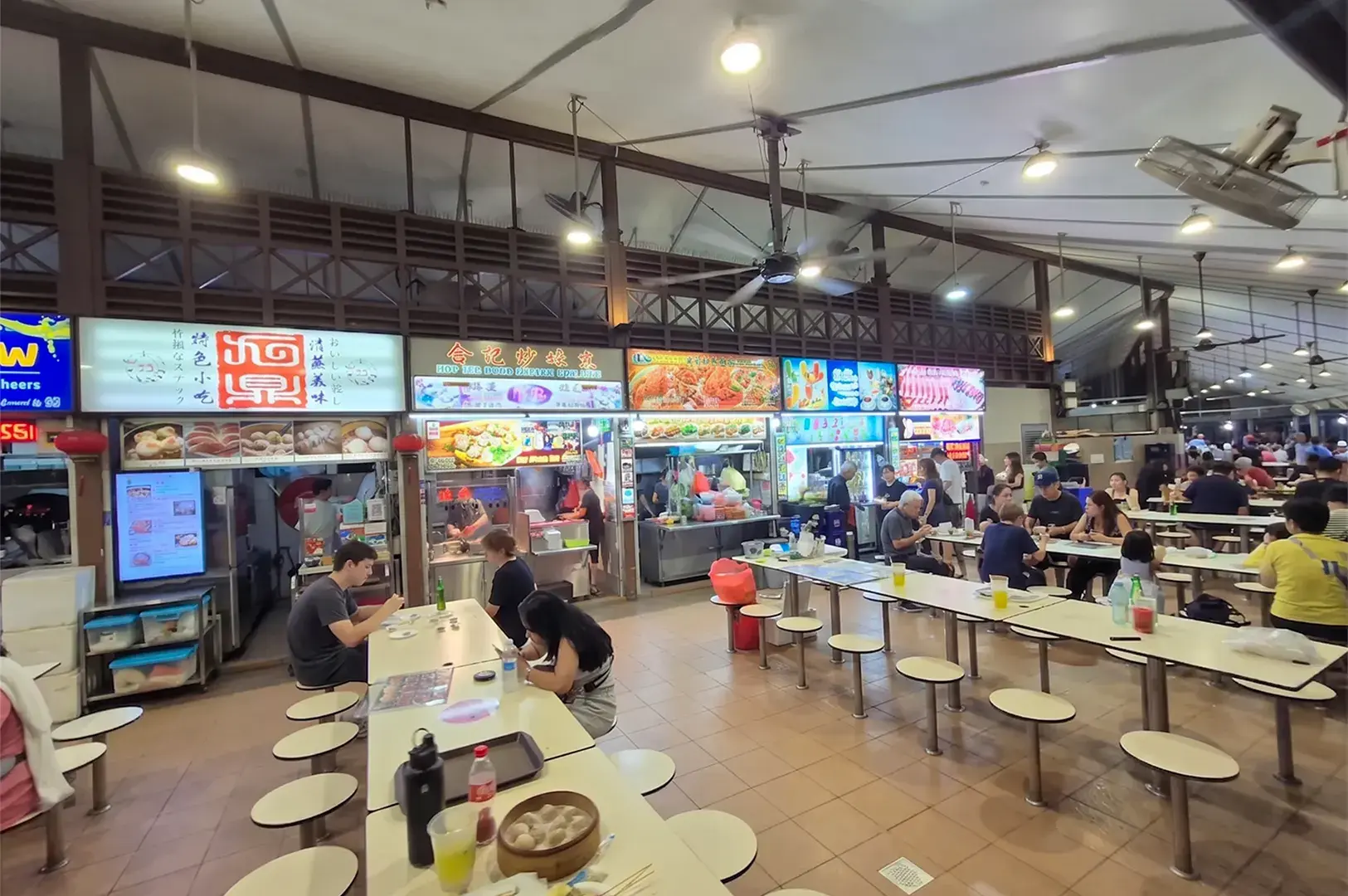
Step into any of Singapore’s revered hawker centres and you’ll discover yourself at the sanctuary where heritage, refinement, and communal spirit converge. These open air food courts embody the vibrant hawker culture of Southeast Asia, where local foods and traditional recipes from Chinese food, Malay dishes, and more are served by generations of dedicated hawker stall owners. Whether you seek the silken embrace of Hainanese chicken rice, the aromatic allure of char kway teow and fried hokkien mee, or the delicate artistry of kaya toast, every dish tells a story of Singapore’s multicultural culinary heritage.
Begin your morning with the contemplative ritual of a classic kaya toast set—delicate thin slices of golden brown toast adorned with coconut jam and slabs of salted butter, accompanied by two soft boiled eggs kissed with dark soy sauce and white pepper. Ya Kun Kaya Toast, a venerable institution, has elevated this breakfast ceremony to an art form, with outlets in many food centres including the distinguished Maxwell Food Centre. This mindful introduction to Singapore’s hawker culture invites you to appreciate how each thoughtfully prepared bite carries generations of culinary wisdom.
As you wander through the hawker centres, you’ll uncover layers of gastronomic refinement: the complex flavors of Singapore chili crab, the rich coconut milk-infused nasi lemak, the wok-tossed mastery behind bak chor mee and fried noodles like char kway teow. Each hawker centre offers its own carefully preserved specialties—Newton Food Centre is renowned for its satay street, Airport Road Food Centre draws connoisseurs to its legendary noodle artistry, and Tekka Centre is a sanctuary of Indian and Malay dishes. Traditional kopitiams or coffee shops within these centres serve robust kopi brewed through a cloth sock filter, often enjoyed alongside kaya toast and half boiled eggs.
Beyond sustenance, hawker centres offer profound insight into Singapore’s rich heritage and multicultural essence. Many food stalls represent family traditions, recipes refined through generations, while communal tables invite strangers into shared conversation. Whether you approach as a seasoned epicurean or curious visitor, exploring Singapore’s hawker centres becomes an essential pilgrimage. Arrive with appreciation, embrace discovery, and understand why these open air food courts remain the heart of the Lion City.
What Makes Great Kaya Toast?
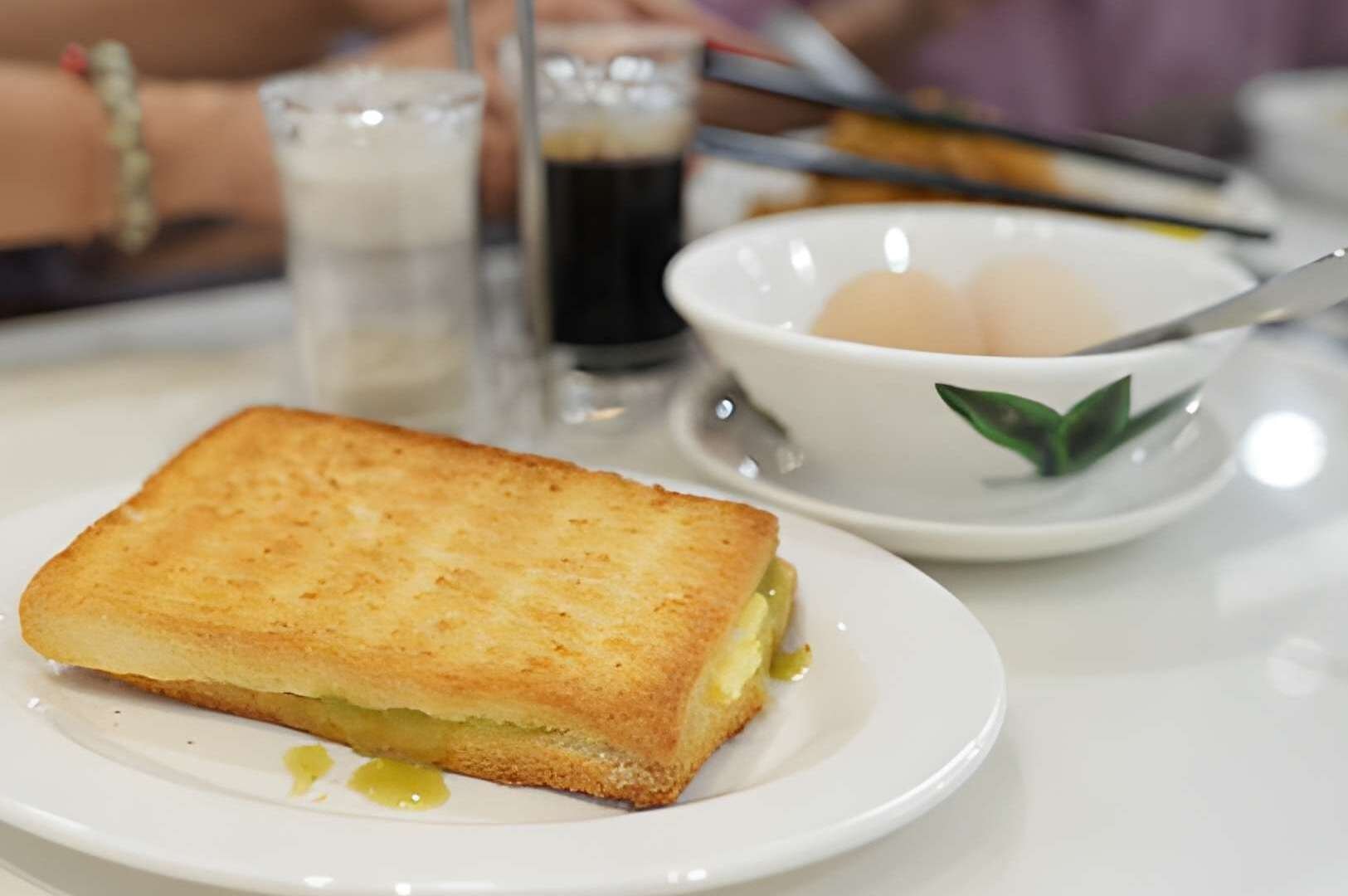
Not all kaya toast is created equal. The perfect set is a delicate balancing act, a symphony of four key elements that must work in perfect harmony. Understanding these components is the first step to appreciating this iconic hawker food.
First is the bread. Traditionally, it’s a fluffy, white rectangular loaf, thinly sliced. The toasting technique is crucial; charcoal grilling imparts a subtle smokiness and an unparalleled crispness that modern toasters struggle to replicate. The bread should be brittle enough to shatter upon first bite but retain slight softness within.
Next, the kaya jam itself. This fragrant coconut and pandan jam, made with coconut cream and coconut milk, should be smooth, aromatic, and not overly sweet. The best versions are often homemade by hawker stall owners, a secret recipe passed down through generations. The color ranges from vibrant pandan green to deep caramel brown, depending on caramelized sugar or egg yolks used.
Then comes the butter. A great kaya toast uses cold, firm slabs of salted butter, not margarine or soft spread. When placed on hot toast, it melts just enough to create a creamy, savory contrast to the sweet kaya. The interplay between warm toast, cool butter, and fragrant kaya jam makes this dish addictive.
Finally, the perfect pairing completes the ritual. Two soft boiled eggs, seasoned with a dash of dark soy sauce and a sprinkle of white pepper, are served alongside. The runny yolks create a rich, savory dip for the toast. And of course, there’s the kopi or teh tarik brewed in traditional coffee shops.
Top Hawker Centres for Kaya Toast in Singapore
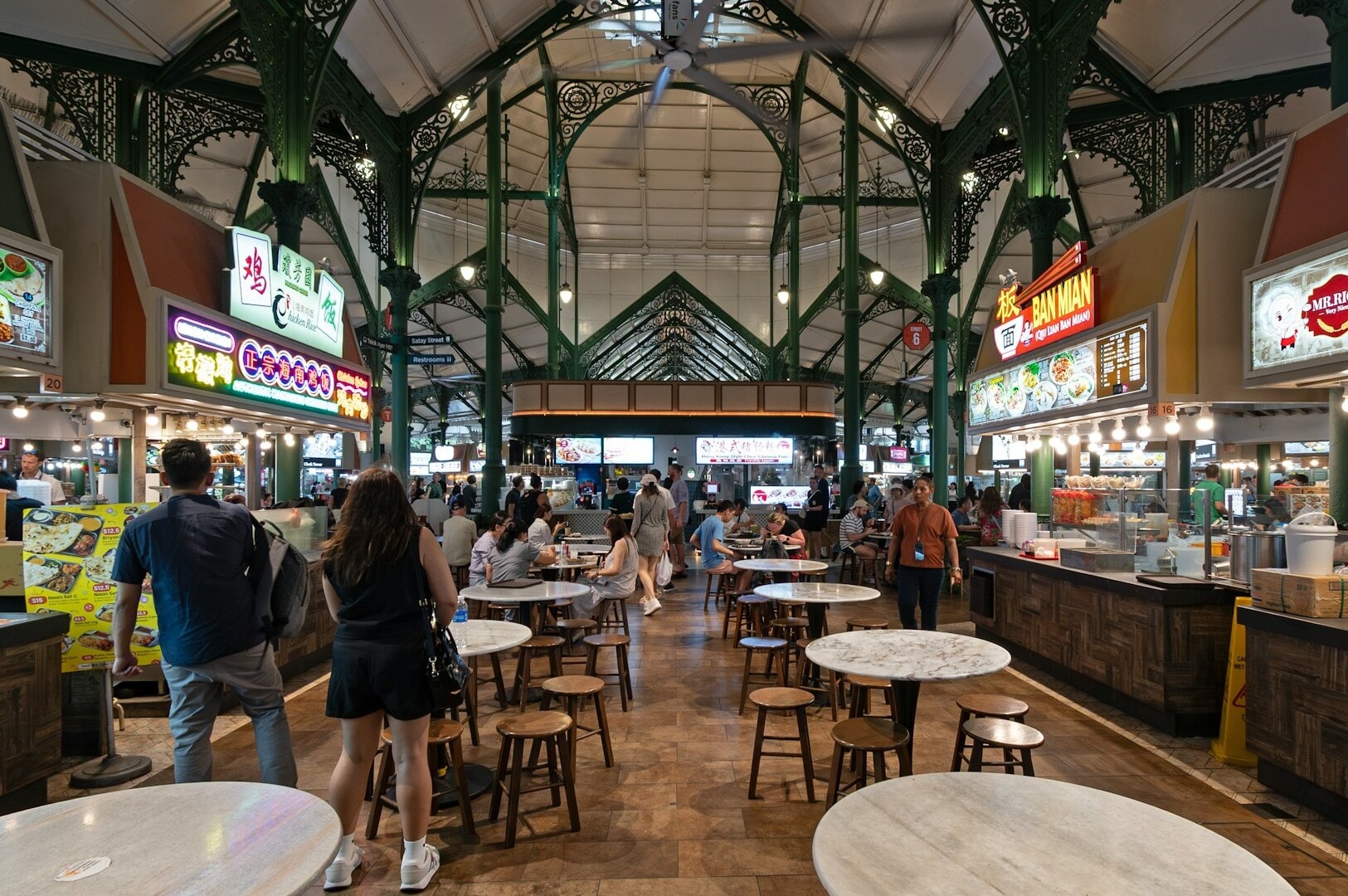
While kaya toast is widely available, these hawker centres boast stalls that have truly mastered the art. Most stalls offer various breakfast options, but only a few hawker stalls have perfected kaya toast.
Maxwell Food Centre
- Location: Chinatown/Tanjong Pagar
- What Makes It Special: Famous for Hainanese chicken rice and other Chinese food, the infamous Maxwell Food Centre is also a fantastic spot for traditional kaya toast. The old-school kopitiams here serve kaya toast with thin slices of butter toast and fragrant kaya jam. The atmosphere is authentic, a short walk from Chinatown MRT.
- Price Range: $2.50 – $4.00 per set
Newport Food Centre
- Location: Near HarbourFront MRT Station
- What Makes It Special: The Crazy Rich Asian’s Newport Food Centre is a vibrant hawker centre located in the lively HarbourFront area, offering a diverse range of local delights alongside excellent kaya toast options. Known for its relaxed atmosphere away from the busiest parts of the city, this food centre features a variety of hawker stalls serving up traditional favorites including Singapore kaya toast, char kway teow, and savory dishes like minced pork specialties and fish balls. The kaya toast here is often paired with rich condensed milk coffee, making it a perfect spot to enjoy a comforting breakfast or snack. Its proximity to popular attractions like Sentosa also makes it a convenient stop for visitors exploring the southern part of Singapore.
- Price Range: $2.50 – $4.50 per set
Airport Road Food Centre
- Location: Near Dakota MRT
- What Makes It Special: One of Singapore’s largest hawker centres, Airport Road Food Centre is a treasure trove of excellent hawker food. Kopitiams here serve kaya toast alongside local dishes like carrot cake, bak chor mee, and fried hokkien mee. The kaya toast is often charcoal grilled for that perfect crunch.
- Price Range: $2.50 – $4.50 per set
Tiong Bahru Market Food Centre
- Location: Tiong Bahru
- What Makes It Special: Located in a heritage neighborhood, this Tiong Bahru Market Food Centre is popular for breakfast. Enjoy a classic kaya toast set while soaking in the trendy yet relaxed vibe. The quality of toast and kopi is reliably high.
- Price Range: $3.00 – $5.00 per set
Chinatown Complex Food Centre
- Location: Chinatown
- What Makes It Special: As the largest hawker centre, Chinatown Complex is home to authentic and affordable hawker food. Kopitiams here serve no-frills kaya toast beloved by locals. With many other stalls offering local dishes like nasi lemak, char kway teow, and pork belly, it’s a true food lover’s destination.
- Price Range: $2.00 – $3.50 per set
Amoy Street Food Centre
- Location: Central Business District
- What Makes It Special: Popular with office workers, Amoy Street Food Centre offers quick and efficient kaya toast without compromising on quality. Its central location makes it convenient for visitors and locals alike.
- Price Range: $3.00 – $5.00 per set
Hidden Gems: Underrated Kaya Toast Spots
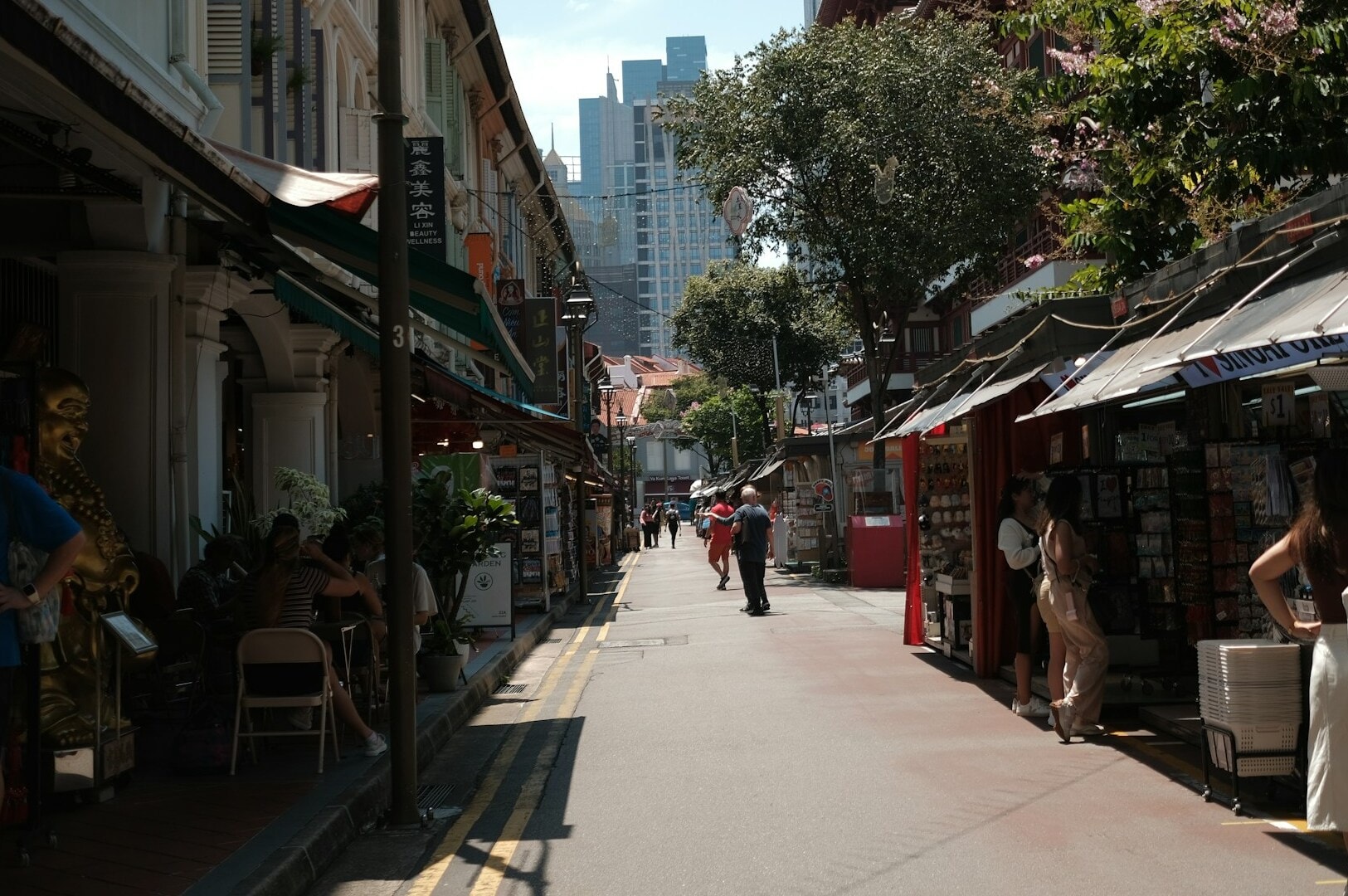
Beyond famous names, some of the best kaya toast is found in quieter neighborhood hawker centres.
Traditional kopitiams like Heap Seng Leong and Keng Wah Sung still use charcoal grills to toast bread, imparting a smoky flavor and nostalgic texture. These spots are cherished by locals for their authentic kaya jam and cold butter combinations.
Pek Kio Market & Food Centre
- Location: Near Farrer Park, close to a wet market
- What Makes It Special: This heartland hawker centre is a local favorite. Kopitiams here serve comforting kaya toast alongside Malay dishes and Chinese food, reflecting Singapore’s diverse culinary scene.
Toa Payoh West Market & Food Centre
- Location: Toa Payoh Lorong 1
- What Makes It Special: One of Singapore’s oldest satellite towns, Toa Payoh’s hawker centres feature heritage stalls serving traditional charcoal-grilled kaya toast with a side of soft boiled eggs and kopi.
The Kaya Toast Experience: More Than Just Breakfast
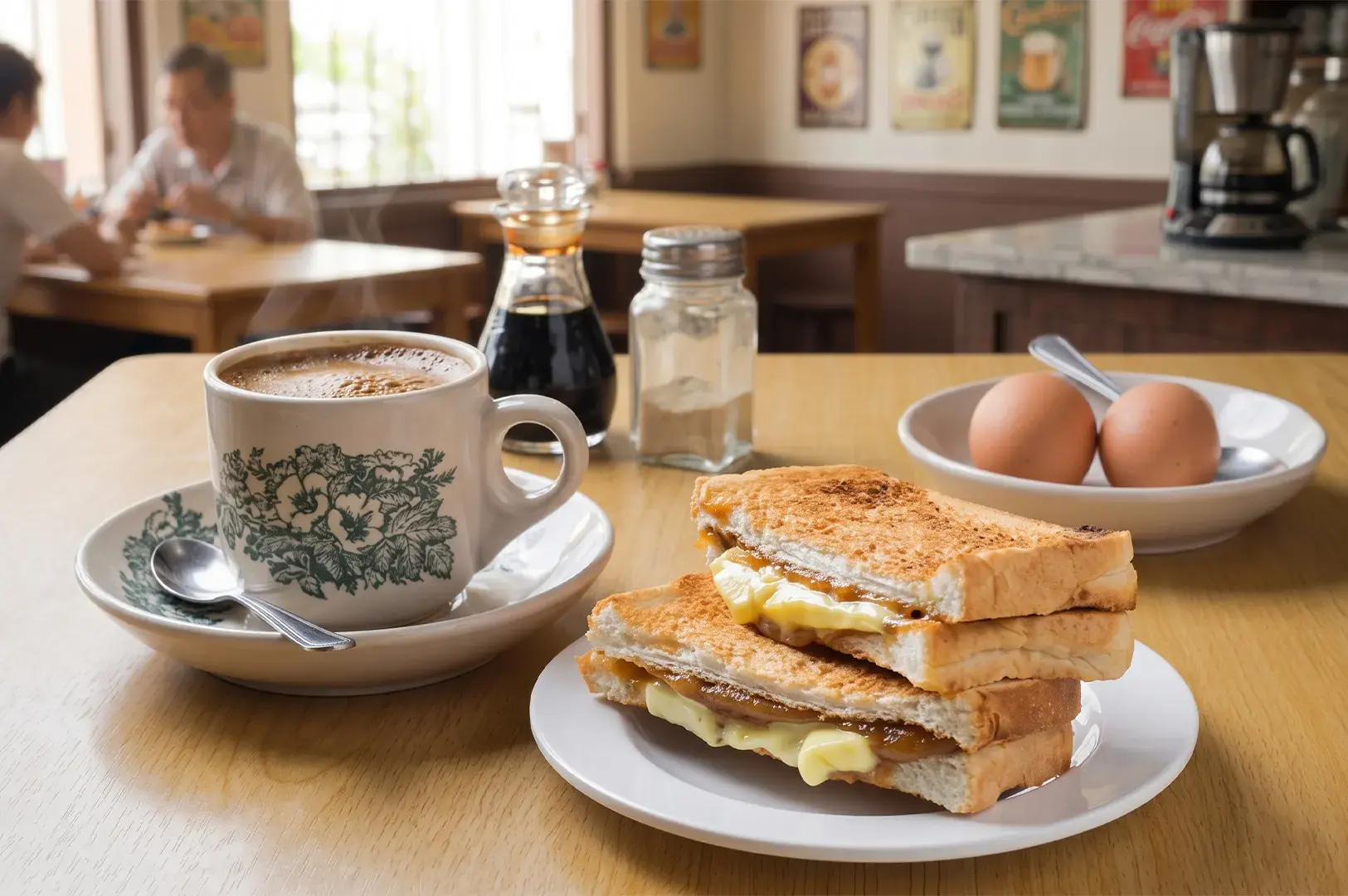
Enjoying kaya toast at a hawker centre is about more than just food; it’s a cultural ritual. This experience reflects Singapore’s hawker culture and communal spirit. It’s the comforting routine of early morning, the familiar exchange with kopitiam aunties, and the simple pleasure of dipping crispy toast into runny egg yolk. For many Singaporeans, it’s a taste of childhood and a moment of connection shared over communal tables amidst the bustling sounds of hawker centres.
Tips for Ordering the Perfect Kaya Toast
Customizing your kaya toast set is part of the fun. Here’s how to order like a local:
- Know Your Bread: Choose between thin-sliced white bread, thicker toast, or French toast (roti) variations. Butter toast, with kaya jam and a slab of cold butter sandwiched between crispy golden slices, is a nostalgic favorite.
- Customize Your Eggs: Specify how runny you want your half boiled eggs. The default is perfect for dipping toast into the soft yolks.
- Learn Your Kopi Lingo: Order kopi o (black coffee with sugar), kopi c (coffee with evaporated milk and sugar), or kopi siew dai (less sugar).
- Best Time to Visit: For freshest kaya toast, visit mornings between 7 AM and 10 AM when grills are hot and hawker stalls are in full rhythm.
Conclusion
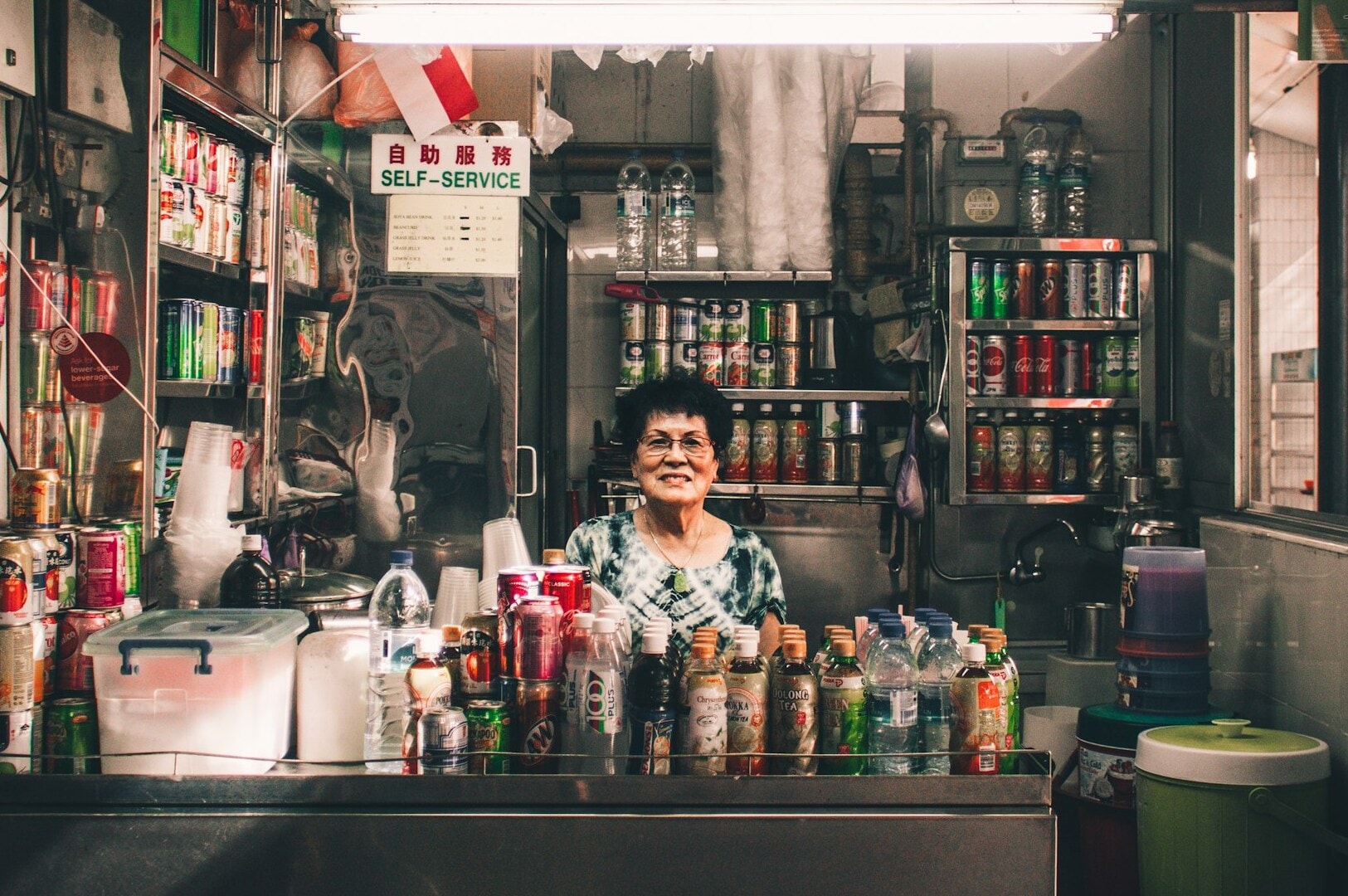
The humble kaya toast is a testament to simplicity’s beauty. You don’t need fancy ingredients or complicated techniques to create something memorable. The best place to experience this beloved hawker food is in Singapore’s lively, authentic hawker centres. Each location offers a unique take, atmosphere, and connection to Singaporean culture.
Planning a Singapore trip? This blog post is a helpful resource for food lovers. When you visit Singapore, don’t miss kaya toast at iconic spots like Ya Kun, Killiney Kopitiam, or Toast Box outlets. Skip hotel breakfasts and head to hawker centres for a true taste of Singapore’s soul.
Craving something else? Why not click here to discover more authentic hawker experiences, or visit Singapore Hawkers for more.