
Singapore is a city built on stories, and many of those stories are on a plate. For expats and visitors, the best way to understand the nation’s multicultural heritage is not just through history books or museums, it may be reading through sites like Expat Eat, but ultimately, it’s through the hawker dishes that have fed generations. Each bite is a connection, a memory, and a glimpse into the people who make Singapore what it is today.
Walking into a hawker centre, the first thing you notice is the energy. There’s a rhythm to the clatter of woks, the sizzle of sambal, and the low hum of conversations in multiple languages. Malay, Hokkien, Tamil, English, and Singlish mix in a way that reflects Singapore’s multicultural heartbeat. Food is more than sustenance here; it is a language, a bridge between communities, and an invitation for newcomers to belong.
Take nasi lemak, for example. Fragrant coconut rice, spicy sambal, crispy ikan bilis, and a perfectly boiled egg might seem simple, but it tells a story of Malay heritage and local ingenuity. When expats try it for the first time, they are not just tasting a dish; they are experiencing a culinary expression of tradition and everyday life. Similarly, char kway teow, Hokkien mee, or roti prata each carries the imprint of different migrant communities, reflecting how cultural exchange has shaped Singapore over the decades.
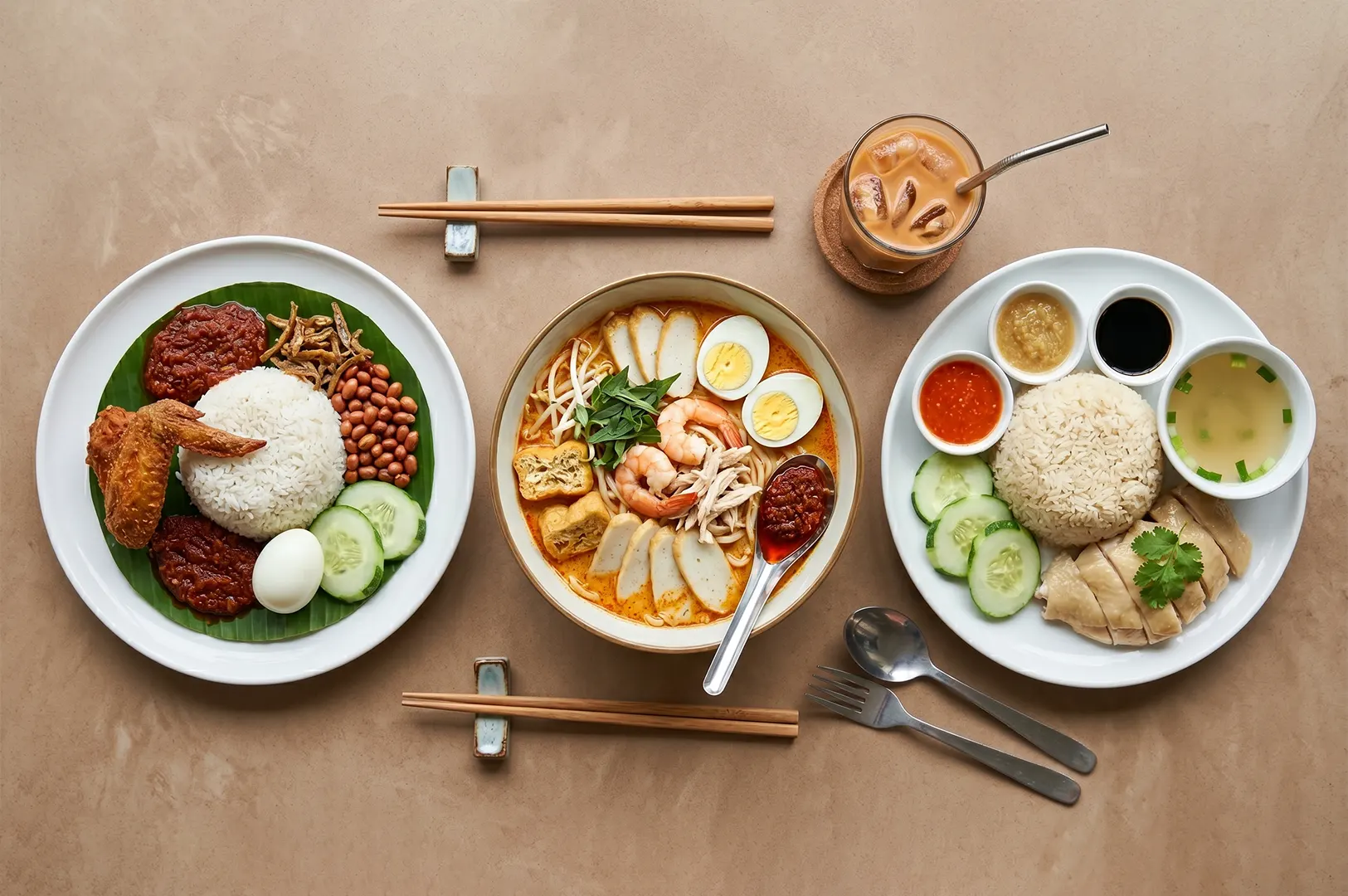
Hawker dishes also capture shared memories that locals hold dear. Many Singaporeans associate a plate of chicken rice or a bowl of laksa with childhood breakfasts, family outings, or late-night suppers after tuition. Experiencing these dishes allows expats to see the everyday rituals that bind Singaporeans together. As described in this reflection on the Singaporean hawker experience, these meals are not just about food; they are about connection, familiarity, and belonging.
What makes these dishes even more meaningful for newcomers is how they encourage interaction. Expats often find themselves learning about table-sharing etiquette, ordering habits, and favourite stalls from locals eager to share tips. These small moments of exchange allow visitors to step beyond the role of spectator and become participants in the city’s daily life.
Ultimately, hawker food is a gateway to understanding Singapore. Each bite is a piece of history, a story of migration, a reflection of multicultural coexistence, and a testament to the nation’s shared memories. By embracing local dishes, expats don’t just taste Singapore; they experience it, learning about the people, the communities, and the traditions that make it unique.
So the next time you pick up a plate of laksa, a bowl of fishball noodles, or a cup of kopi at a hawker centre, remember: you are holding more than a meal. You are holding a story… and every story is a way to connect.