There’s a category of food memory that lodges itself somewhere deep and refuses to leave. For me, chwee kueh is one of those. I remember being handed a paper packet of it as a kid, someone telling me to eat it before the chye poh went cold. I didn’t really know what I was looking at. Just these small, pale steamed rice cakes covered in something dark and fragrant. But the smell hit me first, and I was done for.
Years later, I made the deliberate trip down to Jian Bo Shui Kueh at Tiong Bahru Market to understand what the continued hype is about. This brand has been around for generations, and it’s one of those names that comes up every time someone asks about traditional local food in Singapore. I’d heard the debates: too oily, perfectly oily, best in the country, overrated. I wanted to find out where I actually stood. Here’s my honest take.
Jian Bo Shui Kueh: Background and What Makes This Brand Stand Out
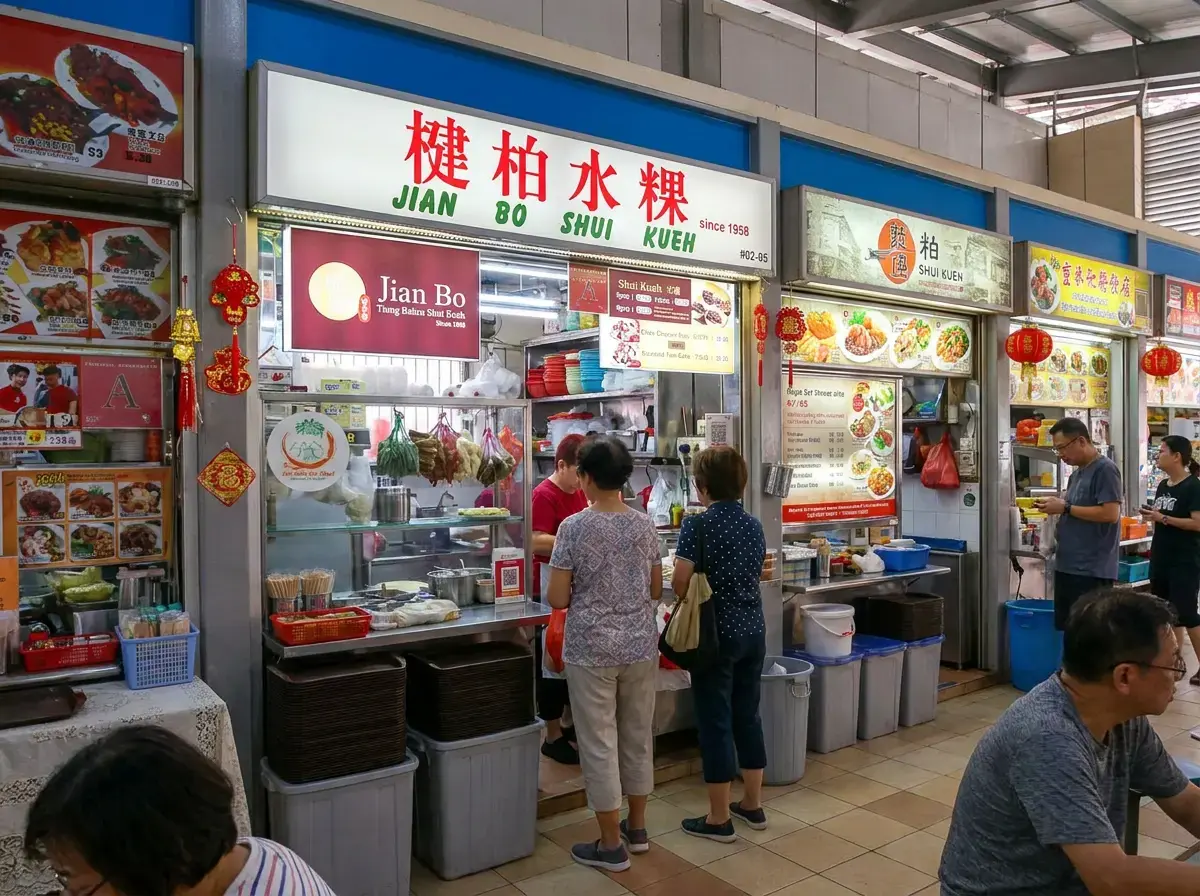
Before we get into the food, it’s worth understanding what Jian Bo actually is, because it’s more than just one stall in one market.
Jian Bo has grown from a single hawker operation at Tiong Bahru Market into a brand with multiple outlets across Singapore, including locations in Choa Chu Kang and beyond. They run a central kitchen that supports consistency across branches, which matters when you’re trying to maintain quality at that kind of scale. The fact that their shui kueh has stayed recognizable across generations, outlets, and changing tastes says something real about what they’ve built.
And the recognition is there in black and white. Jian Bo Shui Kueh is a highly acclaimed Bib Gourmand awardee on the Michelin Guide Singapore, which is one of the more meaningful stamps of approval in the local food scene. The Michelin Guide doesn’t hand out Bib Gourmand nods to stalls that are merely decent. It goes to places delivering quality food at honest prices, which is exactly what this brand has consistently done. Being featured on the Michelin Guide puts Jian Bo in the same conversation as some of the most respected hawker names in the country, and that reputation has held up over time.
First Impressions: Arriving at Tiong Bahru Market
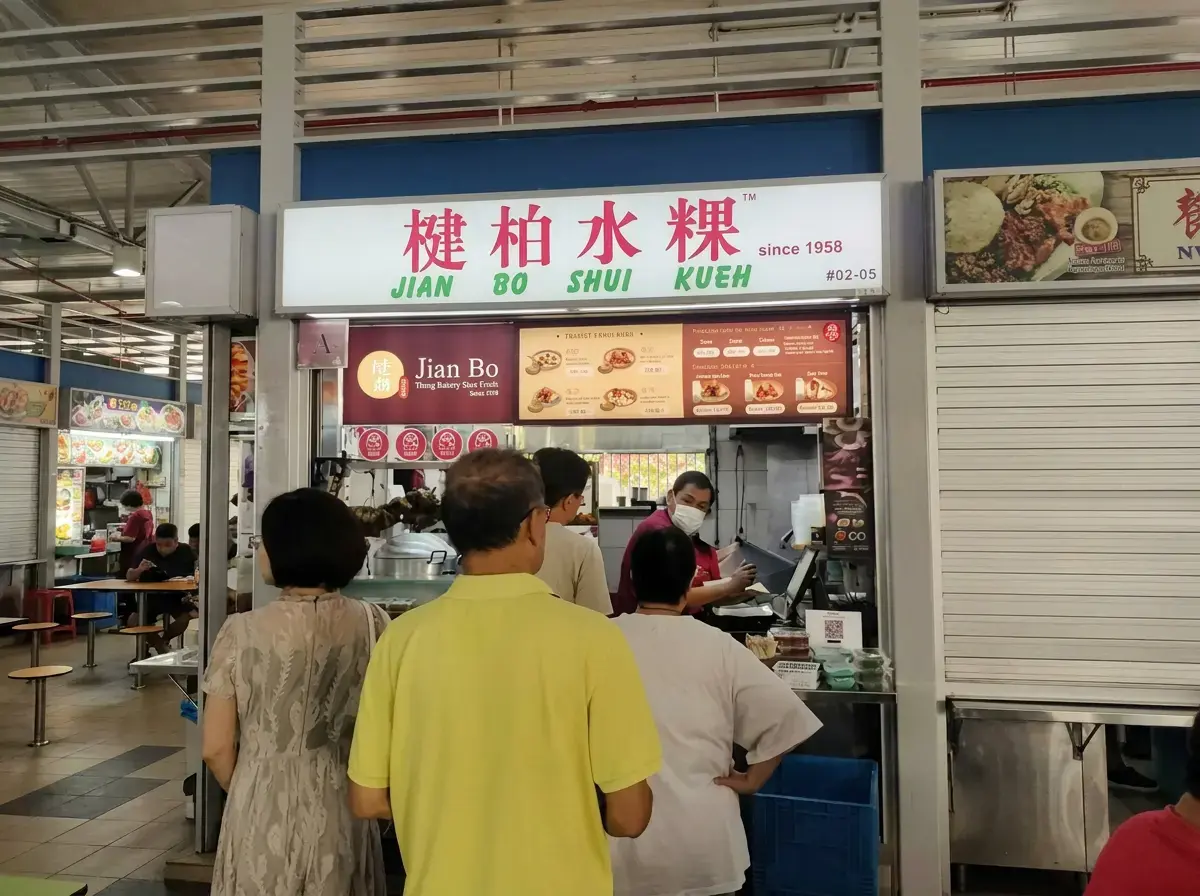
Jian Bo Tiong Bahru Shui Kueh is at Tiong Bahru Market, #02-05, 30 Seng Poh Road, Singapore 168898. If you’ve spent any time walking around this part of the city, you already know what kind of experience you’re in for. This is not a cafe with ambient lighting and a QR code menu. It’s a hawker stall, and it walks the walk.
The food centre sits on the upper floor, right above the wet market, and mornings here have a particular kind of energy. Fluorescent lights overhead, the clatter of trays, the sound of multiple conversations layered on top of each other, and that distinct smell that only comes from a kitchen that’s been running since before most people are awake. I visited on a weekday morning, just past the early rush, and the place was already humming.
Seating is shared, which is standard for hawker life in Singapore. Finding a table during peak hours takes some planning. If you’re there with a friend, the old move still works: one person queues, the other secures a spot. I also noticed that the crowd here skews genuinely local. Regulars, families, a few office workers squeezing in a quick breakfast before their commute. That mix felt right for a stall with this kind of history.
The Food: Shui Kueh in Its Classic Form
Everything else on the menu matters, but the shui kueh is why people keep coming back. Let’s not pretend otherwise.
Jian Bo Shui Kueh: The Signature Dish
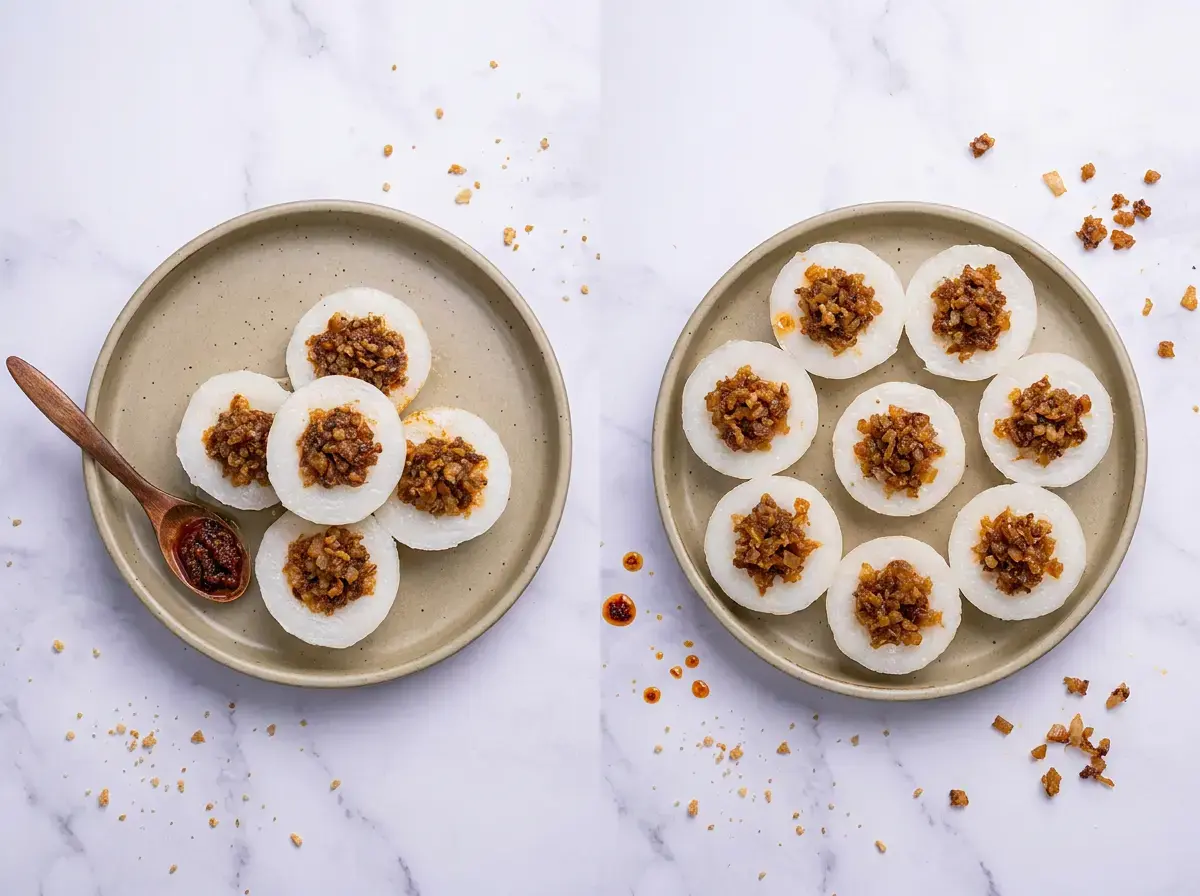
I ordered the standard 5-piece portion, priced at around S$3 to S$3.50. They also offer 8 pieces at roughly S$4.80 and 10 pieces at S$6, though those figures can shift depending on timing, outlet, and how you’re ordering. Take them as a general guide rather than a firm price list.
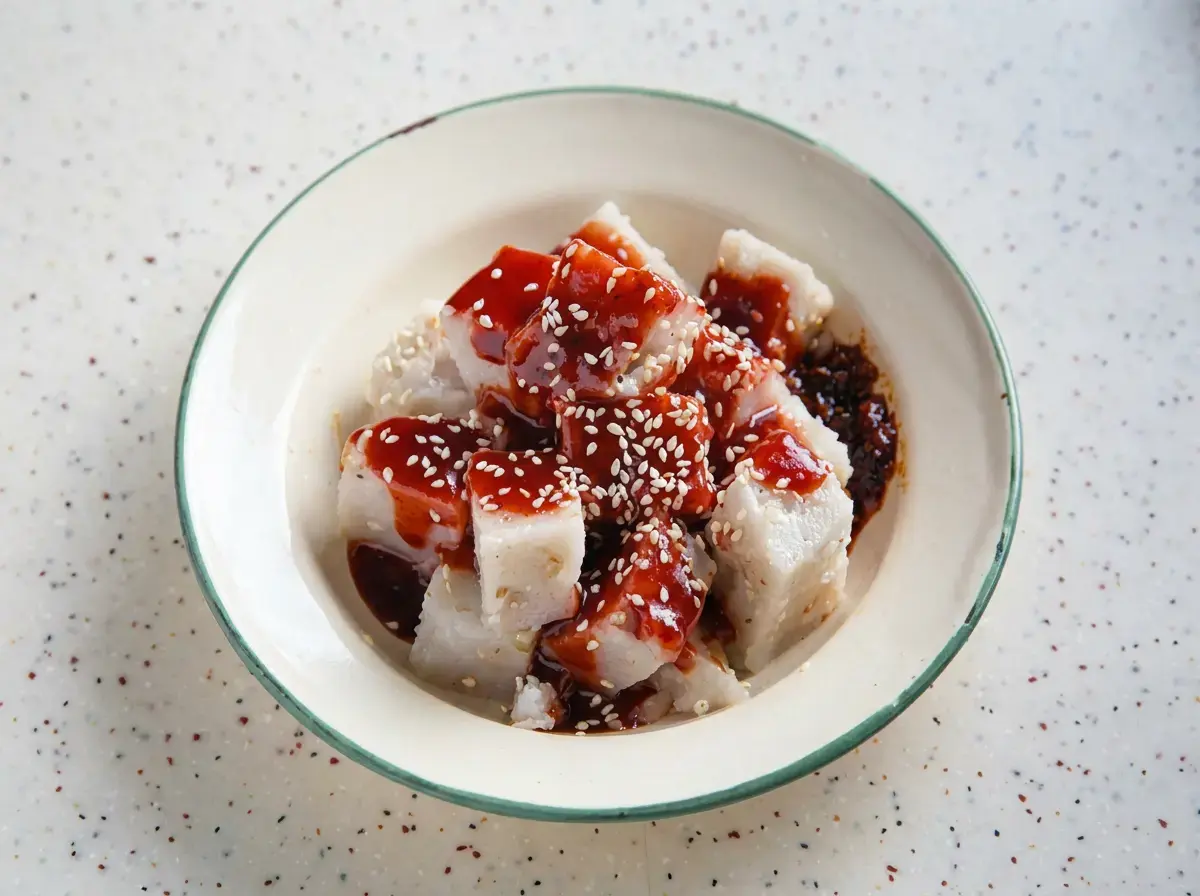
The steamed rice cakes came out soft, smooth, and gently wobbly, with a lightly chewy bite that didn’t feel dense or heavy. I’ve had chwee kueh at other places that comes out firmer, almost rubbery, like it sat too long before reaching you. These were noticeably gentler in texture, and that makes a real difference to the eating experience.
The topping is where the flavour lives. The chye poh, or preserved radish, is spooned on with real generosity, and it carries this layered sweet-salty savouriness that I find genuinely hard to describe without resorting to the word nostalgic. There’s a faint sesame note underneath, a mild nuttiness that sneaks up on you. The chilli is present but not aggressive, adding just enough heat to wake up the palate without overshadowing the rest.
Eaten fresh and warm inside the market, the whole thing clicks. The soft shui kueh provides a clean, neutral base, the chye poh brings the character, and the chilli ties it together. It’s traditional local food done with real confidence, built on decades of knowing exactly what this dish should taste like.
The Rest of the Menu
Jian Bo’s menu does extend beyond the chwee kueh. You’ll find options including:
- Chee Cheong Fun

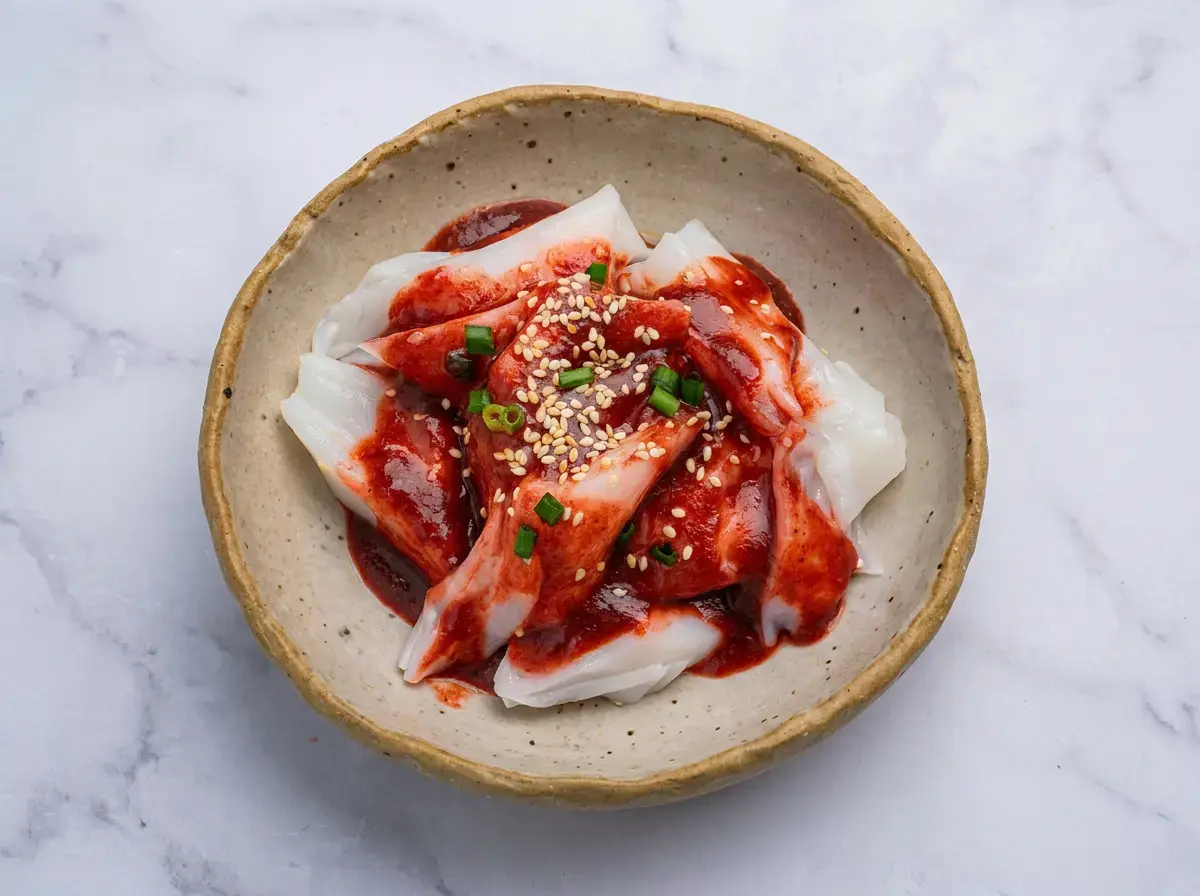
- Steamed Yam Cake
- Siew Mai
- Combination sets such as the Yuan Yang and the Jian Bo Signature Bento
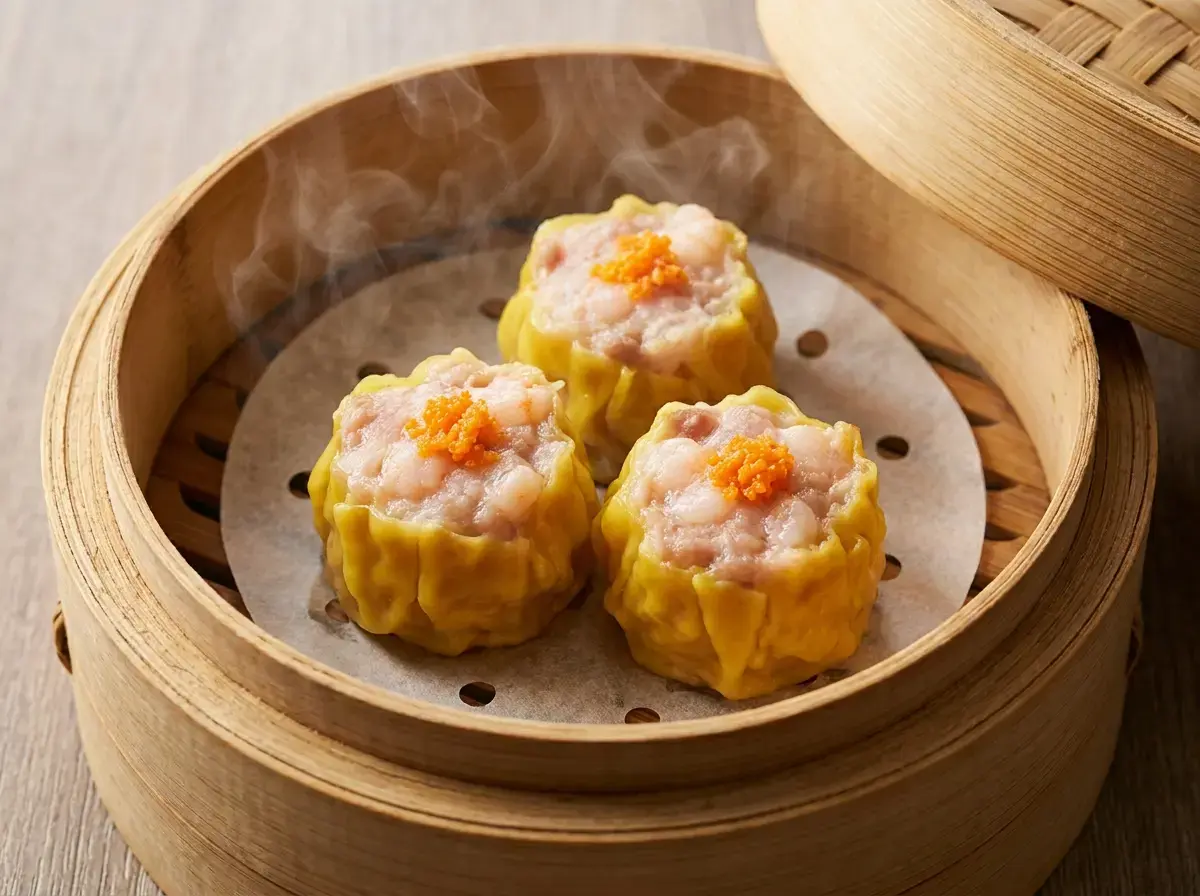
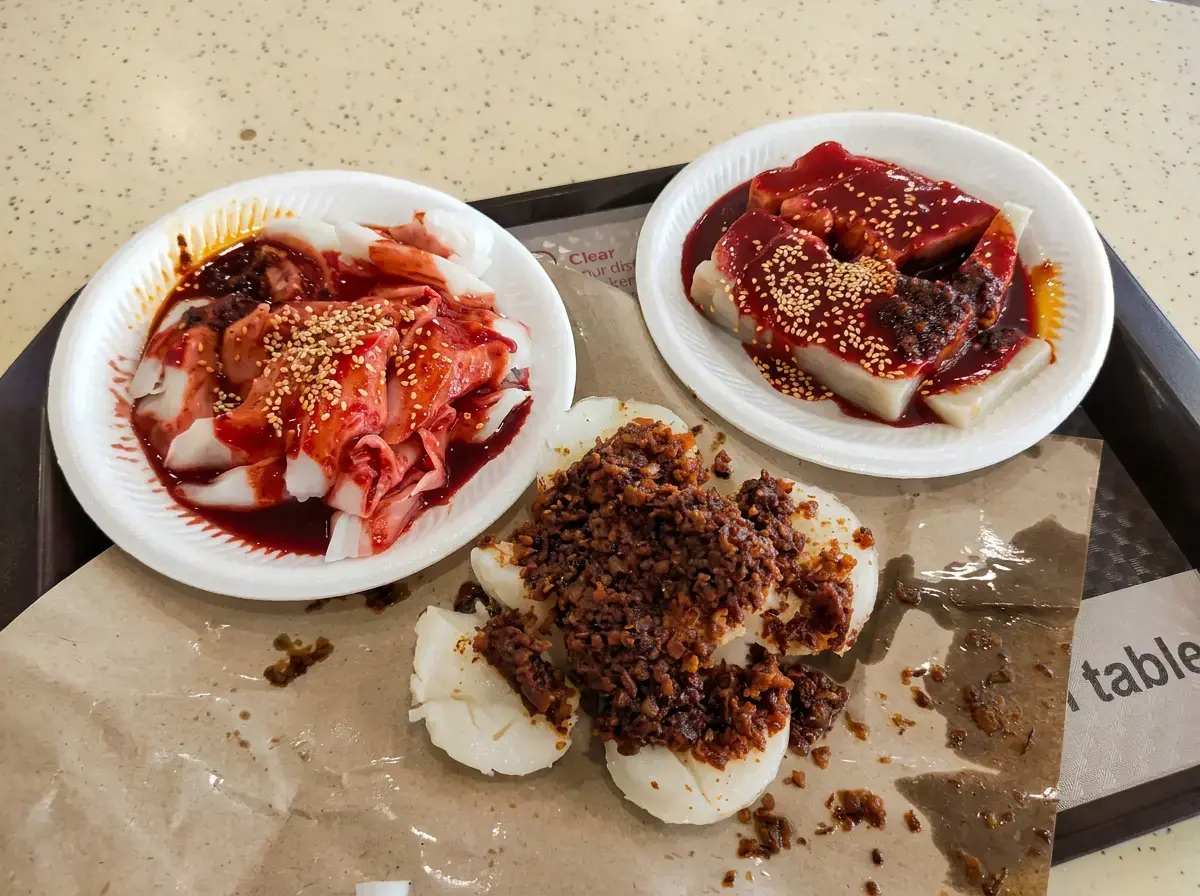
Honest take: these items exist, and they’re worth exploring if you’re there with a group or just want to sample more of what the brand does. But the shui kueh is the reason this stall has been awarded recognition, stayed relevant across generations, and continues to draw a queue. If it’s your first visit, start there and judge accordingly.
Bib Gourmand Recognition and Why It Actually Matter
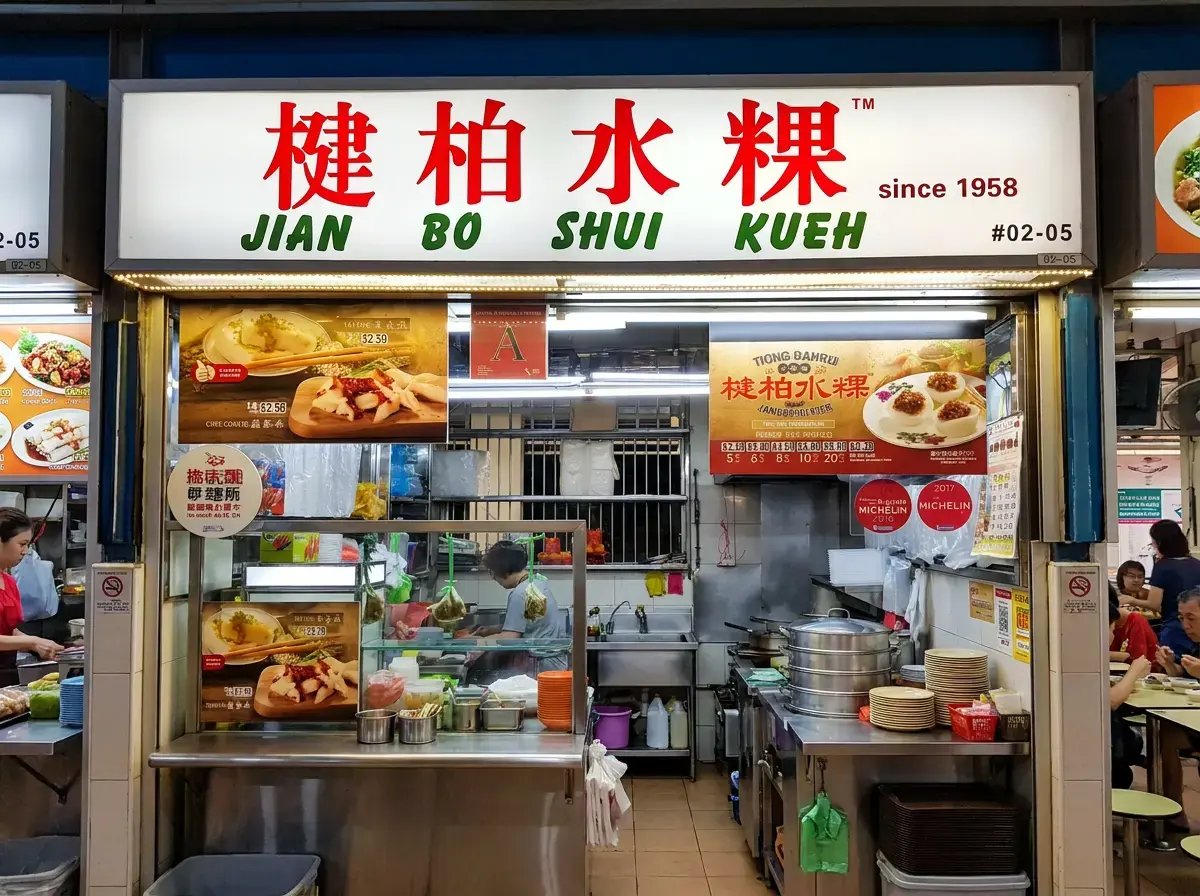
Being featured and awarded Bib Gourmand status by the Michelin Guide Singapore isn’t just a marketing badge. It signals that independent food critics, walking through the same aisles and waiting in the same queues as the rest of us, came away impressed enough to recommend it to the world.
For a hawker stall, that kind of check mark matters more than it might for a restaurant, because it sits entirely on the merit of the food. There’s no ambiance to inflate the score, no cocktail menu to distract from a mediocre dish, no service performance to compensate for flavours that fall flat. The bib gourmand nod is for the food alone, and Jian Bo has earned it.
The Michelin Guide doesn’t guarantee a transcendent experience every single visit. Hawker food has variables. But it does tell you the floor is high, and that the people behind this stall have spent real effort maintaining quality across time, outlets, and the demands of scale.
Choa Chu Kang and Other Outlets: How Jian Bo Stays Consistent
One of the more interesting things about the Jian Bo brand is how it has managed to expand without losing its identity. Outlets in locations like Choa Chu Kang bring the same shui kueh to neighbourhoods further from the original Tiong Bahru stall, which means more people across Singapore can access this traditional local food without making a special trip.
The central kitchen model plays a role here. Standardizing the preserved radish preparation and the core ingredients across outlets allows the brand to deliver a consistent product, even when the person at the counter changes. Some hawker purists will always prefer the OG Tiong Bahru outlet, and I understand that sentiment. There’s a history to that specific spot that no other location fully replicates. But the fact that Jian Bo has scaled thoughtfully, and maintained enough quality to stay featured on the Michelin Guide Singapore across multiple outlets, is genuinely impressive for a hawker brand.
Service Experience
The queue moves more quickly than its length suggests. Even when the line backed up, things kept moving at a steady pace. I wasn’t standing around waiting long, which I appreciated.
Service is functional and efficient, not warm. My interaction was brief and to the point, no friction, no friendliness. I’ve seen accounts from other diners who found the staff a little brusque, and I wouldn’t describe my experience as particularly cheery either. It was quick and professional in the most minimal sense.
If you’re hoping for a bit of warmth with your breakfast, you might feel the absence of it here. But if the food is the main event, which it should be at a stall like this, the service gets the job done without getting in the way.
Know Before You Go
Getting there
- Nearest MRT is Tiong Bahru MRT, roughly a 10-minute walk.
- Havelock station is also an option depending on your direction, and can shave a few minutes off the walk for some routes.
- Parking is available near Tiong Bahru Market, but it fills up quickly during breakfast and lunch. Taking the train is the safer bet.
Opening hours
Sources don’t fully agree on this one, which is frustrating but common for hawker stalls. Michelin lists daily hours as 5:30am to 9:00pm. Time Out cites 7:00am to 8:00pm. Hawker hours can shift without notice, so I’d strongly recommend checking before making a long trip from somewhere like Choa Chu Kang or the east side.
Price
Budget around S$3.50 to S$6.50 per person for a light snack or small meal of shui kueh. Delivery platform prices tend to run higher, so eating in is the better value. Either way, it’s accessible for most people, which has always been part of what makes this brand work.
Booking
No reservations. Standard hawker setup: order at the counter, wait in line, find your own seat among the shared tables.
Best time to visit
Arrive early, before the breakfast crowd peaks, or come after the main rush has passed. Late morning into lunch is when the queues are longest. Going early also improves your chances of catching the rice cakes at their freshest.
Final Verdict: Is Jian Bo Shui Kueh Worth the Visit?
Yes. Especially at this original Tiong Bahru outlet. Keep the order simple: 5 pieces of shui kueh, eaten on the spot while they’re still warm. The steamed rice cakes are soft and clean, the chye poh brings real flavour and fragrance, and the chilli adds just enough to make each bite count. This is traditional local food with decades of practice behind every portion.
The downsides are real and I’m not going to soften them: it can be oily, the takeaway packet gets messy, peak-hour seating is a genuine challenge, and the service is efficient rather than personable. None of that is a dealbreaker if you know what you’re walking into.
| Best For | Might Want to Skip If |
|---|---|
| Hawker-food purists who want the classic version without embellishment | Oily food is something you genuinely can’t get past |
| Visitors who want to eat something that’s been awarded and featured on the Michelin Guide Singapore | Preserved radish isn’t a flavour you enjoy |
| Anyone doing a proper Tiong Bahru Market food crawl | You need warm, attentive service as part of the experience |
For me, it’s a straightforward yes. There’s something grounding about eating a dish that generations of Singaporeans have eaten the same way, in a market that still feels like it belongs to the people who live around it. If you’re in Tiong Bahru, check it out. Get in line, grab your 5 pieces, and eat them while they’re warm. That’s really the whole formula.
Hungry for More?
If you’re still planning your time around Tiong Bahru, click here to read our full guide to the Tiong Bahru hawker centre and find every stall worth your time. Come find us whenever you’re planning your next meal out.