
When I think about Singapore’s hawker culture today, I usually picture bright food centres and families sharing tables during dinner rush. It feels familiar and organised, almost like it has always been this way. But before the food courts and modern hawker centres, Singapore’s street food scene in the 1960s looked very different.
Back then, food was cooked and sold on the move. Hawkers pushed carts through neighbourhoods, set up along roadsides, and served meals beside bus stops, markets, cinemas, and kampungs. A bowl of noodles, a plate of rice, or a cup of kopi could be bought from someone who knew the rhythm of the street well. The sounds were part of daily life; clanging woks, bicycle bells, charcoal fires, customers calling out orders, and hawkers shouting to announce what they were selling.
There is something sentimental about imagining that world, but it was not always easy or romantic. Many hawkers worked long hours under the sun and rain. Some had no proper water supply, waste disposal, or permanent shelter. Food was affordable and full of character, but the conditions could be difficult for both hawkers and customers. Streets became crowded, hygiene was a concern, and the growing city needed a better way to manage public dining.
That is why the shift from street hawking to hawker centres mattered so much. It was not simply about moving stalls indoors. It was about giving hawkers a more stable place to work, giving customers cleaner and safer spaces to eat, and creating a public food culture that could grow with the country. The hawker centre became a practical solution, but over time, it also became something more personal.
In many ways, the 1960s street food scene laid the foundation for what we now recognise as Singapore hawker culture. The recipes did not begin in polished food courts. They came from people who cooked to survive, adapted to tight spaces, and served communities that were changing quickly. Chinese, Malay, Indian, Eurasian, and other influences met in everyday meals, not as a slogan, but as part of ordinary life.
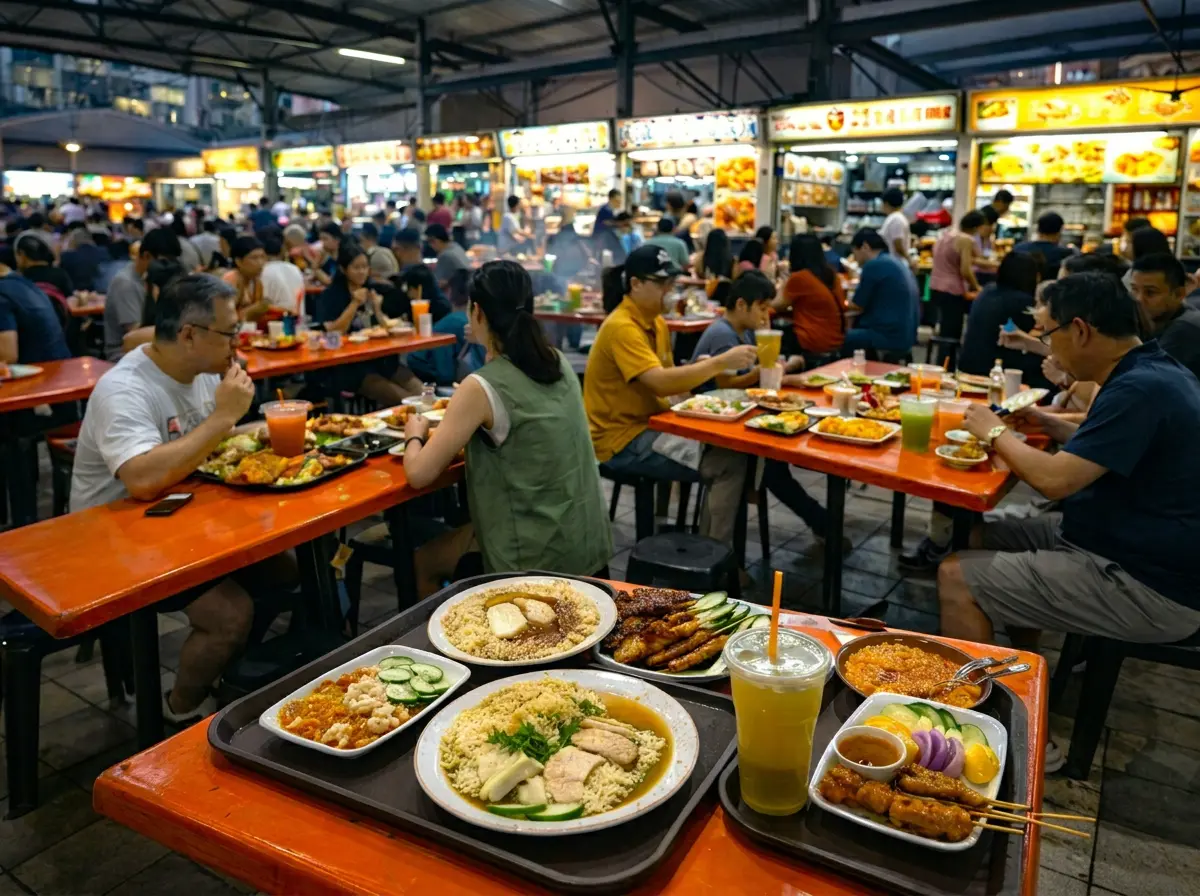
Today, when I sit at a hawker centre and eat chicken rice, mee rebus, char kway teow, nasi lemak, or rojak, I try to remember that these dishes carry more than flavour. They carry movement, labour, memory, and migration. They remind us that Singapore’s food identity was built by hands that often worked behind smoke, steam, and uncertainty.
Modern hawker centres may be cleaner, brighter, and more regulated, but their heart still comes from the streets. The shared tables, affordable meals, multilingual orders, and familiar aunties and uncles behind the stalls all point back to an earlier Singapore. A Singapore that was still finding its shape, one meal at a time.
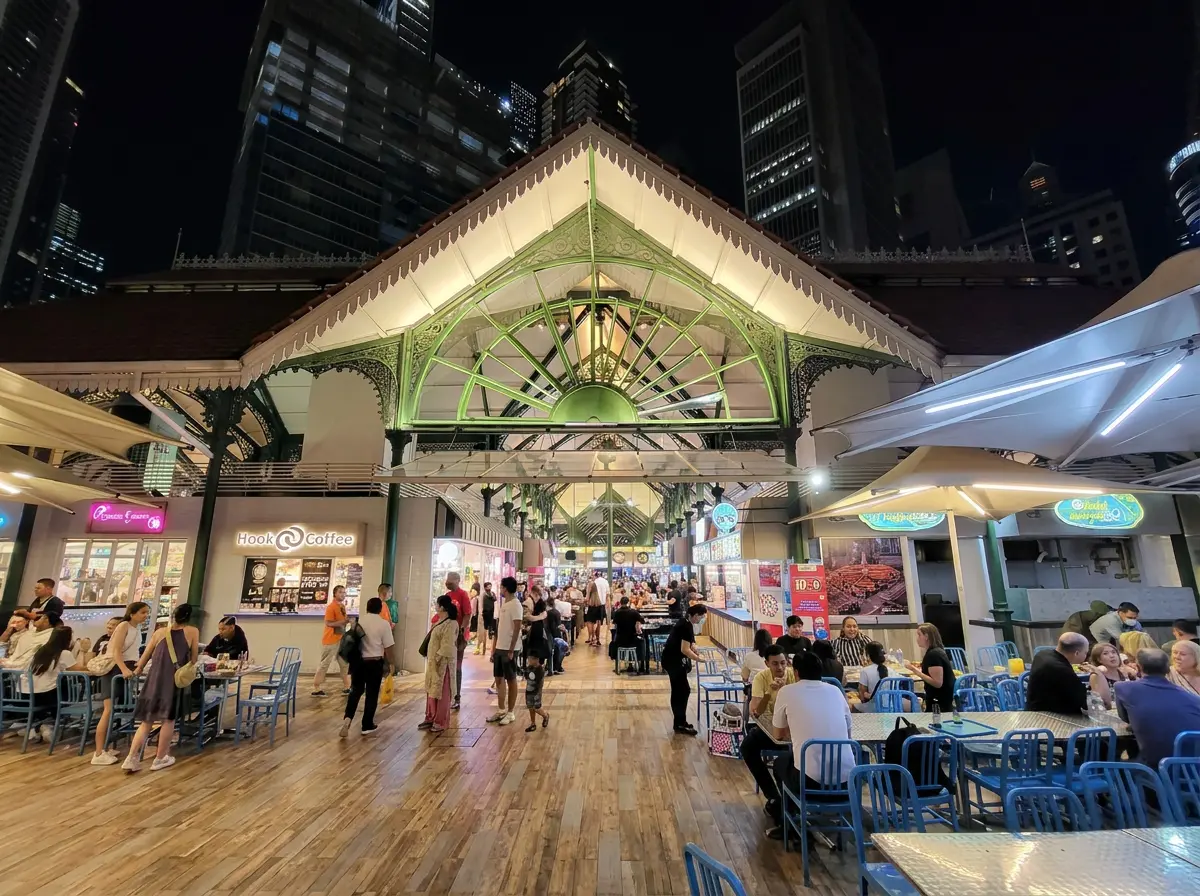
The 1960s street food scene matters today because it teaches us not to take hawker culture for granted. Every stall we support is part of a longer story. Every meal is a small act of remembering.
“Before the hawker centre became a landmark, it was a cart, a flame, and someone’s way of feeding a city.”
Visit Singapore Hawkers for more stories that celebrate the people, places, and dishes behind Singapore’s food heritage.