
There is something remarkable about sitting down at a hawker centre in Singapore. At first glance, it looks like an ordinary meal. Someone is eating nasi lemak, another person has ordered char kway teow, a family shares satay, while a neighbouring table enjoys a bowl of Vietnamese pho. It feels effortless, yet it reflects something much bigger than the food itself.
I have always thought that one hawker table can tell the story of Southeast Asia.
Singapore’s hawker centres are often celebrated for preserving local favourites, but they also showcase the flavours of the region. Walk through almost any well-known hawker centre and you will find dishes inspired by Malaysia, Indonesia, Thailand, and Vietnam alongside Singaporean classics. They may have evolved to suit local tastes, but they continue to carry the traditions of the communities that introduced them.
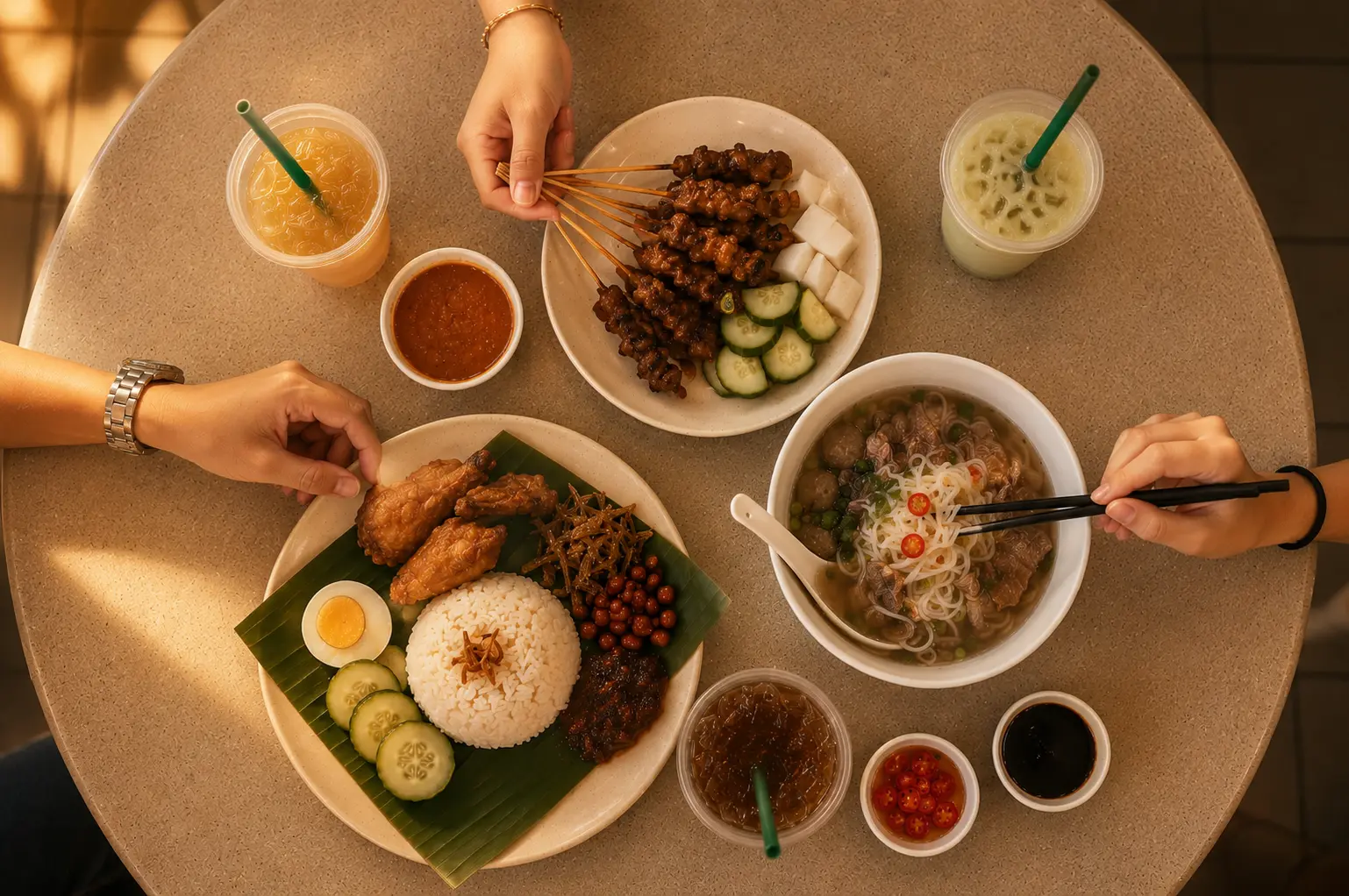
Take nasi lemak, for example. Its roots are closely tied to the Malay community and neighbouring Malaysia, yet it has become a staple that many Singaporeans enjoy regardless of their background. The same can be said for Indonesian dishes like ayam penyet and mee rebus, Thai favourites such as basil chicken rice and tom yum noodles, or Vietnamese pho and banh mi, which have found loyal followings across the island.
What interests me is not simply the variety, but the way these cuisines exist together.
In many countries, experiencing four different cultures could mean travelling hundreds of kilometres. In Singapore, it often means walking a few steps between stalls. A group of friends can order four completely different meals, sit at the same table, and enjoy them together without giving much thought to where each dish originally came from. Somehow, that feels uniquely Singaporean.
Of course, these dishes are not always exact replicas of those found in their countries of origin. Hawkers adapt recipes to local ingredients, customer preferences, and years of experience. That does not diminish their value. Instead, it reflects how food naturally evolves while still respecting its heritage.
I believe this is one of the strengths of Singapore’s hawker culture. It encourages curiosity without requiring formality. Someone may try Indonesian soto ayam for the first time because the stall next door has a long queue. A diner ordering Thai green curry today might return next week to sample Vietnamese beef pho. These small choices gradually build an appreciation for cultures beyond our own.
This exchange is what makes hawker centres more than places to eat. They are everyday spaces where cultural understanding happens naturally. Nobody needs a lesson on regional history before ordering lunch. The food starts the conversation on its own.
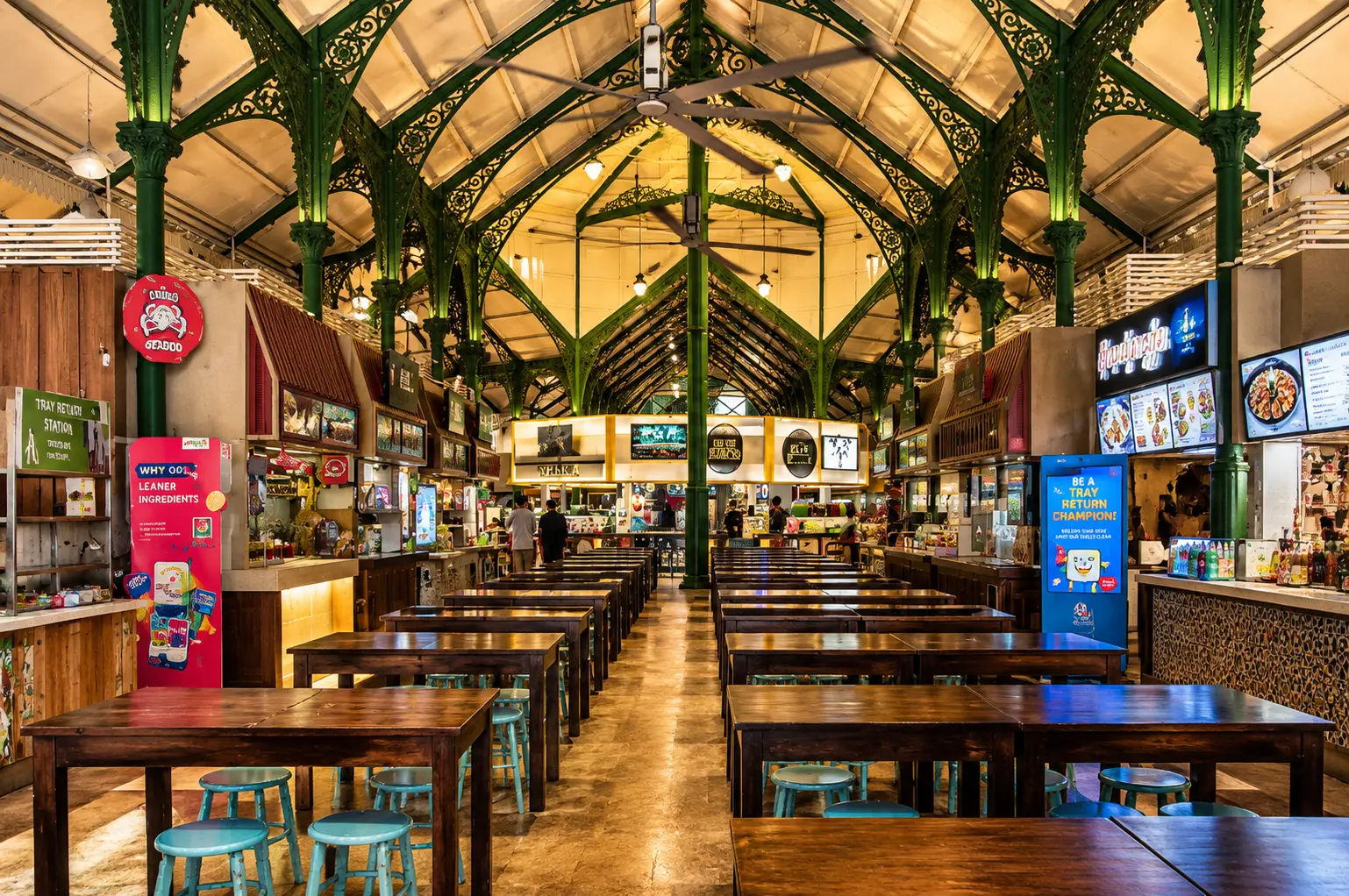
As Southeast Asia continues to grow more connected, I hope our hawker centres remain places where these culinary traditions are celebrated side by side. They remind us that while every culture has its own recipes, the act of sharing a table is something we all understand.
“The best conversations often begin with different dishes shared around the same table.”
Visit Singapore Hawkers to discover more stories celebrating Singapore’s hawker culture, heritage, and the diverse flavours that bring people together.