
I walk through a hawker centre and see a line stretching all the way around the corner. It is not a weekend; it is a random Tuesday morning. A local food stall just went viral on social media. People are holding up their phones, aggressively adjusting their camera angles. They are waiting for the perfect picture of a bowl of noodles. Behind the counter, the elderly hawker does not look happy. He looks completely terrified.
We think a viral video is a massive blessing for small businesses. We assume a sudden crowd means instant wealth and permanent success. My camera lens often captures a very different reality. When I focus tightly on the faces of these cooks during a viral rush, I see pure panic. A traditional hawker stall is designed to feed a specific, predictable neighborhood. It is built to serve a set number of bowls each day. When the internet suddenly dumps a thousand hungry tourists at their front display; the entire system breaks down instantly.
The physical toll of this attention is brutal. The chopping block never stops. The boiling water constantly splashes over the edges of the heavy aluminum pots. The hawker usually runs out of prepped ingredients by noon. Because they are rushing to clear the massive line, the cooking process is forcefully accelerated, and the food quality inevitably drops. Customers who waited two hours in the heat get angry and immediately leave negative reviews online. Social media algorithms do not care about the physical limits of a human being. They just demand more content.
Meanwhile, the regular patrons who sustained the business for decades are quietly pushed away. The old uncles and busy office workers simply cannot wait in a massive line during their short lunch break. They are forced to take their daily business somewhere else. The delicate, loyal ecosystem of the stall is completely destroyed in a matter of days.
The worst part is the sudden silence that follows. Internet fame is incredibly short and ruthless. Three weeks later; the viral crowd finds a new trending dish to chase. They vanish overnight. The stall goes back to its normal pace, but the regular customers have already moved on. The hawker is left exhausted, physically broken, and often in a worse financial position than before the video was posted. We treat their intense daily labor as a temporary piece of entertainment.
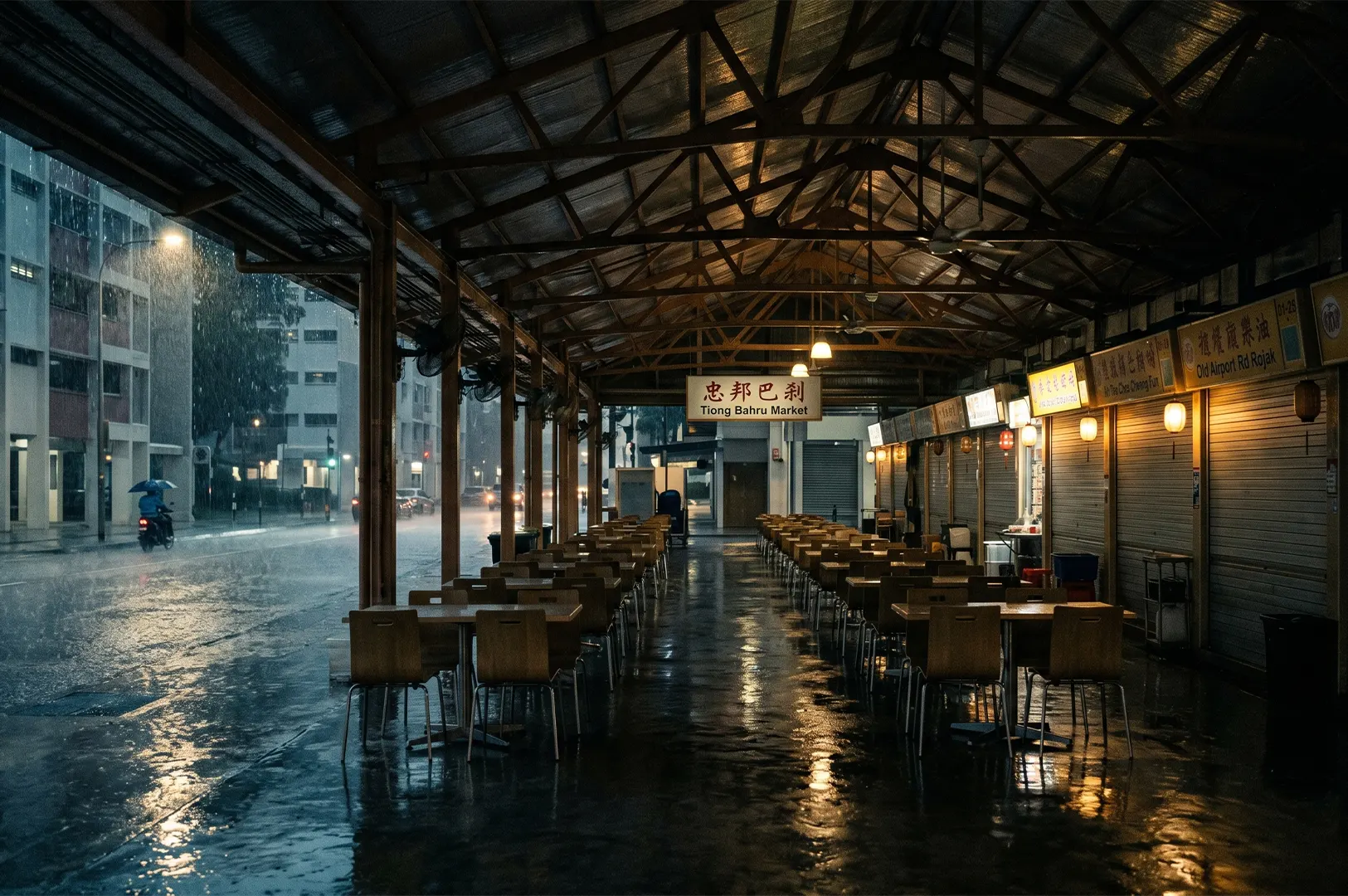
I still photograph our local food centres, but I am very careful about how I frame my subjects. True support for our culinary heroes does not come from a sudden, unmanageable spike in online traffic. It comes from quiet, consistent patronage. It comes from showing up to buy a simple bowl of soup on a slow, rainy afternoon.
To see more visual stories and read about the hardworking people who define our local food culture, visit us at Singapore Hawkers.