
We spend our days walking through noisy hawker centres across the island. We constantly hear people talking about food. One topic comes up more than any other: recipe changes. A customer will complain that a bowl of prawn noodles tastes slightly different today than it did ten years ago. It sounds like a minor issue to a casual visitor. However, for those of us who grew up eating here, it is actually a very serious debate about heritage.
To a regular customer, consistency is everything. When you visit a specific hawker stall for twenty years, you are not just buying a quick lunch. You are buying a memory. You want the roast duck to have the exact same crispy skin. You expect the coconut gravy to carry the exact same level of heat. If a hawker decides to change their supplier or tweak their spice mix to save a little money, the regulars notice immediately. They often feel a deep sense of betrayal because a familiar, comforting part of their daily routine has suddenly shifted.
On the other side of the counter, the hawkers feel an immense pressure to keep things exactly the same. We talk to older cooks who flatly refuse to use modern blenders to grind their chili pastes. They insist on using heavy stone mortars, even when their joints hurt. They tell us that machines alter the texture and ruin the natural oils of the spices. Their stubborn dedication is not about rejecting modern convenience. It is about protecting a family legacy. When a recipe is passed down from a grandfather to a father to a son, it stops being just a set of cooking instructions. It becomes a valuable inheritance.
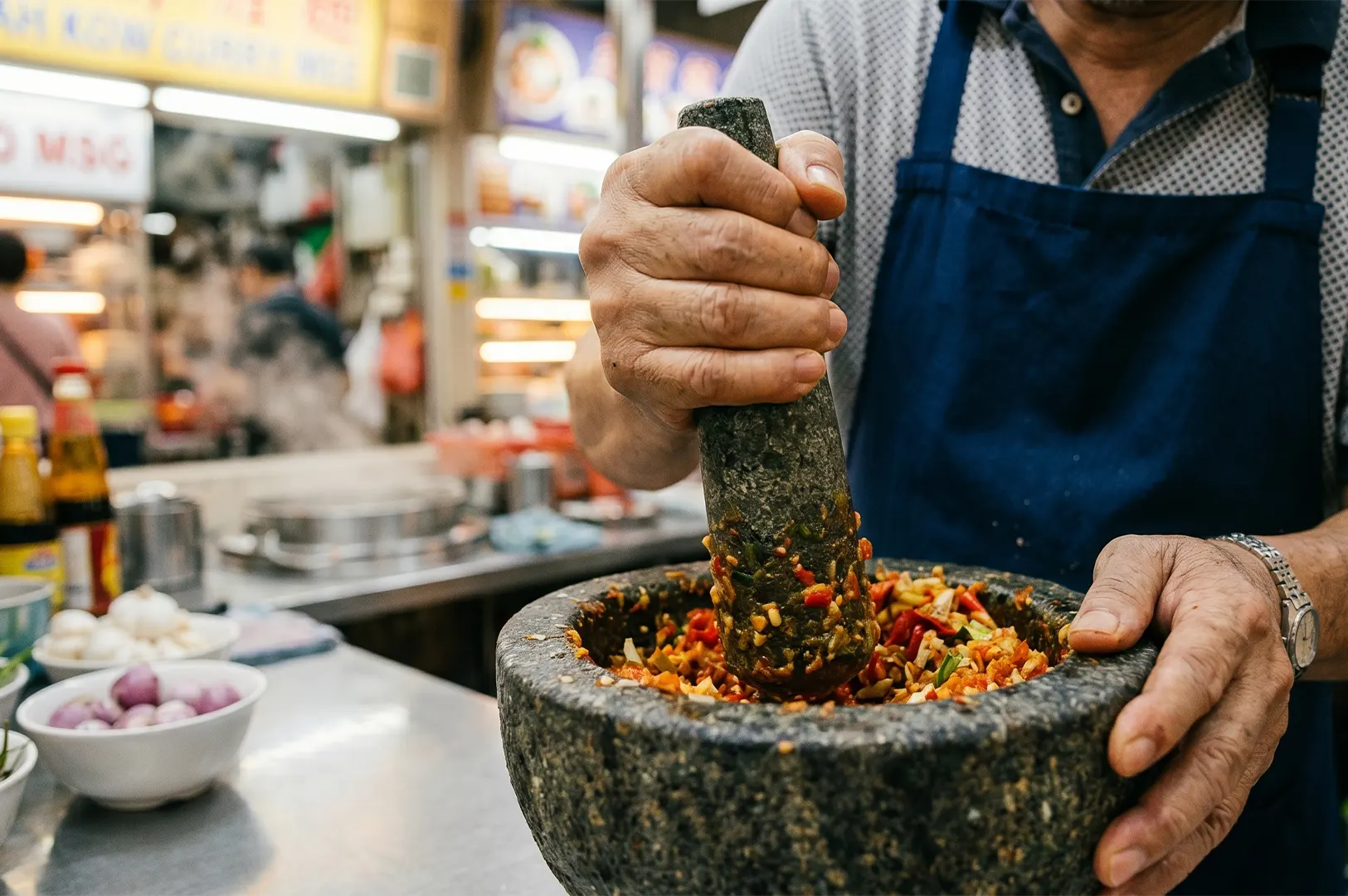
We live in a fast-paced city where buildings get torn down and replaced constantly. Food is one of the few things that keeps us securely connected to our past. Traditional cooking techniques matter because they hold our shared history together. If every stall started taking easy shortcuts, we would slowly lose the very soul of our local food culture. The unique, complex flavors that define our home would eventually flatten into something generic and boring.
That is why we deeply respect the stubborn hawkers. We appreciate the cooks who wake up at three in the morning to boil a pork broth for eight hours instead of using instant stock cubes. They understand that while progress is important in many areas of life, some things are simply too precious to modernize. They keep our history alive through pure physical effort and a strict refusal to compromise.
To read more stories about the dedicated people protecting our local culinary heritage, please visit us at the Singaporehawkers.com.sg website today.