When friends visit me in Singapore and ask for an authentic local food experience, I almost always take them to Toa Payoh. They usually expect me to bring them to Lau Pa Sat or Maxwell. But if you truly want to understand how Singaporeans eat on a daily basis, you have to head straight into the heartlands, especially the iconic Toa Payoh hawker centre areas.
Toa Payoh: The Birthplace of Singapore’s Hawker Culture and Public Housing
Toa Payoh, located in the northern part of Singapore, is not just any town; it is Singapore’s very first fully planned new town developed by the Housing Development Board (HDB) in the 1960s. Before the development board’s intervention, this area was known as the “Big Swamp” or “Paya” in the Malay language, a vast swampy land where locals reared pigs and chickens. The transformation of Toa Payoh into a bustling commercial development and public housing estate marked a significant milestone in Singapore’s urban planning and social history.
Toa Payoh Town Park and Toa Payoh Town Garden: Green Spaces Amidst Housing Estates
Amidst the MRT stations and air conditioned bus interchange that serve Toa Payoh Central, the town is also home to the serene Toa Payoh Town Park and the adjacent Toa Payoh Town Garden. These green lungs offer residents and visitors a place to relax after enjoying a large portion of local delights at hawker centres scattered throughout the town centre. The garden’s carp pond, lush greenery including willows and bamboo, and the 27-metre-high viewing tower provide a peaceful contrast to the lively food centres nearby.
Toa Payoh Hawker Centre and Food Centres: The Heart of the Town Centre
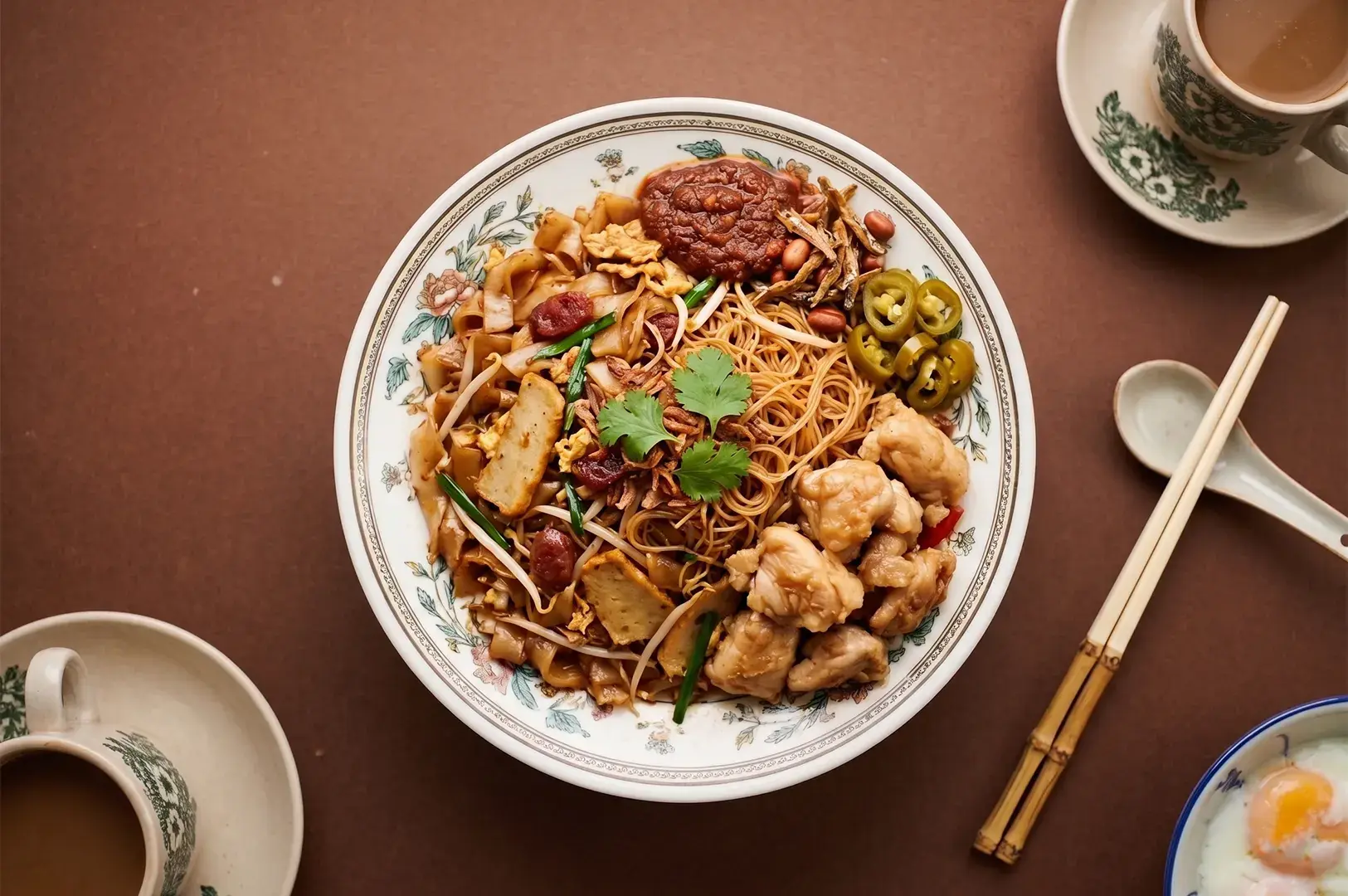
The term “Toa Payoh hawker centre” can be misleading because there is no single hawker centre by that name. Instead, Toa Payoh is home to several renowned food centres such as Toa Payoh West Market & Food Centre and Toa Payoh Lorong 8 Market & Hawker Centre. These food centres are crucial community hubs where locals gather daily to eat breakfast, lunch, or dinner. The hawker stalls here offer a rich menu featuring dishes like coconut rice, white rice, brown rice, bee hoon noodles, and more.
Toa Payoh West Market: A Food Centre Rich with Tradition and Flavour
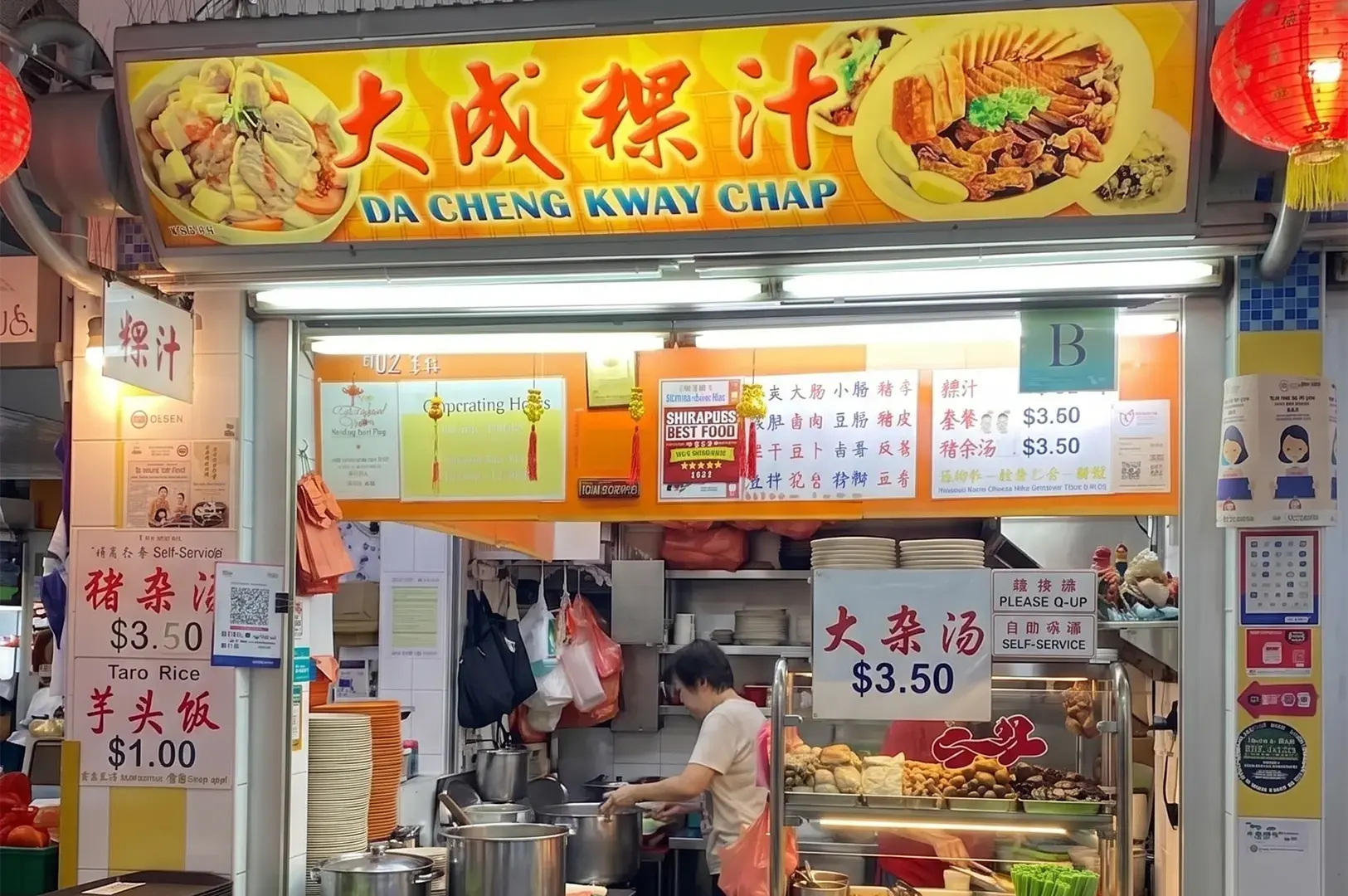
Toa Payoh West Market & Food Centre is a must-visit for any food lover. Here, you will find hawker stalls serving everything from crispy fried chicken wings and juicy chicken cutlet to savoury carrot cake and marinated satay skewers. Da Cheng Kway Chap is famous for its braised pork belly, braised egg, fish cake slices, and meat balls served in a rich broth. The stall’s menu allows customization with sides like pork lard and sambal to add an extra kick of flavour.
Carrot Cake and Other Signature Dishes: A Taste of Toa Payoh’s Culinary Legacy
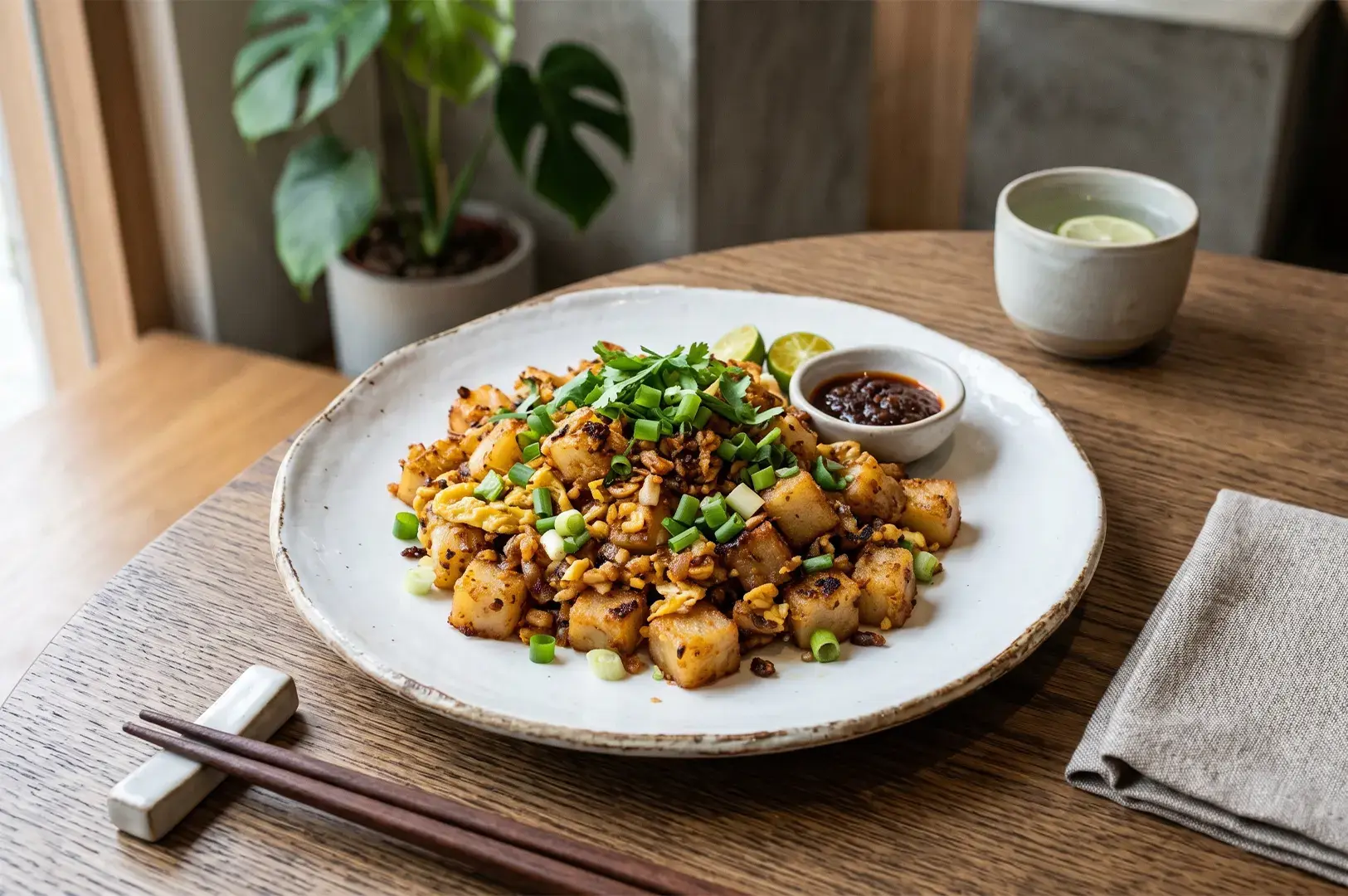
One cannot talk about Toa Payoh’s food scene without mentioning the legendary carrot cake from Chey Sua Carrot Cake stall. Their unique preparation results in a crispy exterior and soft, fluffy interior, enhanced by a sweet and spicy chilli sauce. Other popular dishes include the fried chicken wings from Da Ji Hainanese Chicken Rice, known for their marinated and juicy texture, and the comforting bowls of fishball noodles and da cheng kway chap that evoke memories of growing up years in this new town.
Navigating Toa Payoh Central and Its Hawker Stalls: Tips for First-Time Visitors
Toa Payoh Central is a hive of activity, especially during breakfast and lunch hours. The hawker stalls here operate in a vibrant, bustling environment where communal seating encourages social interaction. When visiting, it is advisable to bring cash as many older stalls still operate on a cash-only basis. Smaller notes are preferred to ease transactions. Also, expect queues at popular stalls and try to arrive early to avoid disappointment, as many hawker stalls sell out by mid-afternoon.
The Role of Mass Rapid Transit in Connecting Toa Payoh’s Food Centres
The convenience of the MRT systems makes Toa Payoh’s hawker centres easily accessible. Several MRT stations serve the area, linking it to other parts of Singapore. This connectivity has helped maintain the popularity of Toa Payoh’s food centres, drawing foodies from across the island to indulge in local favourites like pure soya bean drinks, soya milk, and red bean desserts, as well as unique treats like uggli muffins that offer a soft, sweet contrast to the savoury dishes.
Food Guide to Toa Payoh’s Hawker Stalls: What to Eat and Where
If you want to eat like a local in Toa Payoh, here’s a brief food guide:
- Da Cheng Kway Chap: Try the braised pork belly, braised egg, and fish cake slices in a flavourful broth.
- Chey Sua Carrot Cake: Don’t miss their crispy yet soft carrot cake served with chilli.
- Da Ji Hainanese Chicken Rice: Famous for fried chicken wings that are crispy and juicy.
- Jia Le Man Fen Guo: Known for fish soup and fried chicken wings, plus satay skewers.
- Come Daily Fried Hokkien Prawn Mee: A dish combining yellow noodles and bee hoon with prawns and pork lard.
- Pure Soya Bean: Offers freshly made soya milk and tau huay desserts.
- Uggli Muffins: Unique muffins with crispy edges and soft interiors, available in various flavours.
The Brief History and Cultural Significance of Toa Payoh Hawker Centres
The development board’s vision for Toa Payoh was not just to provide housing but also to create a self-sufficient community with commercial development and social spaces. The hawker centres were integral to this vision, offering affordable and nutritious meals to residents. The public housing estate’s design ensured that food centres were conveniently located near wet markets and transport hubs, reinforcing Toa Payoh’s role as a town centre where people live, eat, and socialize.
Toa Payoh’s Growing Up Years: From Kampongs to Modern Food Centres
Many older Singaporeans recall the growing up years in Toa Payoh with fondness. The transition from rearing pigs and chickens in the big swamp to enjoying meals of coconut rice or braised pork belly at the hawker stalls reflects Singapore’s rapid modernization. The hawker culture here preserves the diverse culinary traditions of the town’s residents, including dishes with spinach, sambal, and traditional chilli that have been passed down through generations.
Embracing the Flavours of Toa Payoh: A Culinary Journey
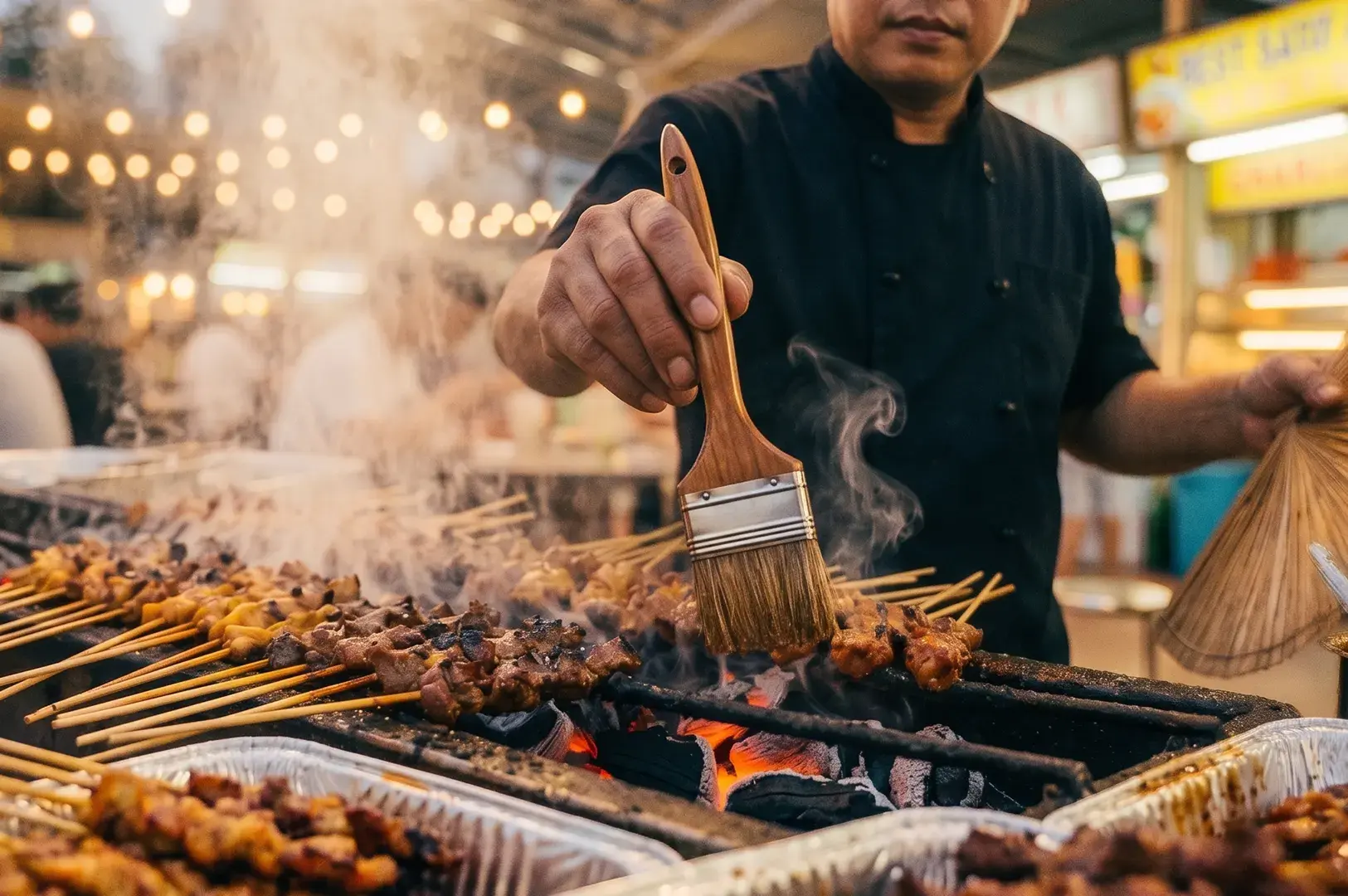
A visit to Toa Payoh’s hawker centres is more than just a meal; it is an immersion into Singapore’s heritage. Each dish tells a story — the marinated satay skewers grilled over charcoal, the soft slices of fish cake in a savoury broth, the sweet red bean desserts, and the hearty bowls of noodles topped with meat balls and pork lard. Whether you choose white rice or brown rice, coconut rice or bee hoon, the flavours are authentic and satisfying.
Conclusion: Why Toa Payoh Hawker Centre Remains a Vital Part of Singapore’s Food Culture
Toa Payoh’s hawker centres stand as living monuments to Singapore’s history, culture, and community spirit. They embody the successful integration of public housing and commercial development, supported by efficient mass rapid transit and thoughtful urban planning. Whether you are a local or a visitor, eating at these food centres offers a chance to taste the past and present of Singapore, from the crispy fried chicken wings to the comforting bowls of da cheng kway chap. So next time you visit Singapore, make sure to explore Toa Payoh’s hawker stalls and experience the vibrant, nostalgic atmosphere that continues to thrive in this beloved new town.
For additional articles like this, and to know more about hawker centres across Singapore, click here to visit Singapore Hawkers.